AWS launches TorchNeuron to move PyTorch apps onto Trainium chips
Amazon Web Services on October 19, 2026 released TorchNeuron, a tool it says lets PyTorch-based AI apps run on its Trainium chips with a single configuration change.

Amazon Web Services on Monday, October 19, 2026, released TorchNeuron, a developer tool designed to help AI startups shift their applications onto Trainium, Amazon's in-house AI chip. The launch takes direct aim at the software moat that has made Nvidia the default hardware for most AI workloads.
TorchNeuron is built around PyTorch, the free, open-source framework developers use to build, train and run AI models. According to Amazon, an application written in PyTorch can run on Trainium after changing just one line of configuration, without rewriting any code. Because the tool is adapted from PyTorch itself, developers already familiar with the framework should not face a learning curve.
Taking on CUDA's grip
Amazon estimates that roughly 85% of AI apps are written in PyTorch. Originally created by Facebook, the framework has been housed at the Linux Foundation since 2022. Nvidia has spent years making sure its CUDA software stack works seamlessly with PyTorch, effectively embedding its GPUs as the framework's default target. Amazon is not the first to try to loosen that link: PyTorch users can already switch to AMD GPUs or Apple silicon through a simple configuration change.
AWS argues that its pitch goes beyond ease of porting, because moving to Trainium also opens up the rest of its cloud. The company positions this as a stronger option for startups than so-called neoclouds such as CoreWeave, Nebius and Firmus, many of which depend on Nvidia hardware. Colin Brace, VP of Technology Software at AWS Annapurna Labs, the unit behind Amazon's custom chips, said using one chip for both training and inference improves overall economics, even if AWS does not offer the lowest per-token price.
Brace cited voice AI company Deepgram as an example. He said Deepgram moved to Trainium using native PyTorch support and now processes 70% more audio per dollar at production-grade accuracy.
Pushing PyTorch toward hardware neutrality
Amazon also said it will contribute changes upstream to the main PyTorch project, working with the community to strip out code that binds the framework to particular chips. The stated aim is a more hardware-agnostic PyTorch for all developers, not only Trainium customers.
Whether that delivers more choice and lower costs, or simply adds configuration complexity that PyTorch was meant to hide, remains to be seen. If Amazon does succeed in decoupling the framework from Nvidia, the consequences for the GPU leader could extend well beyond ordinary chip competition. "The real story is removing the lock-in that kept developers from having a real choice at all," Brace said.
Comments
No comments yet. Start the discussion or ask a question.
Related

Dell CEO Michael Dell says HBM and DRAM supply bottlenecks will deepen in 2027, as the company works through a $95 billion backlog of AI server orders.
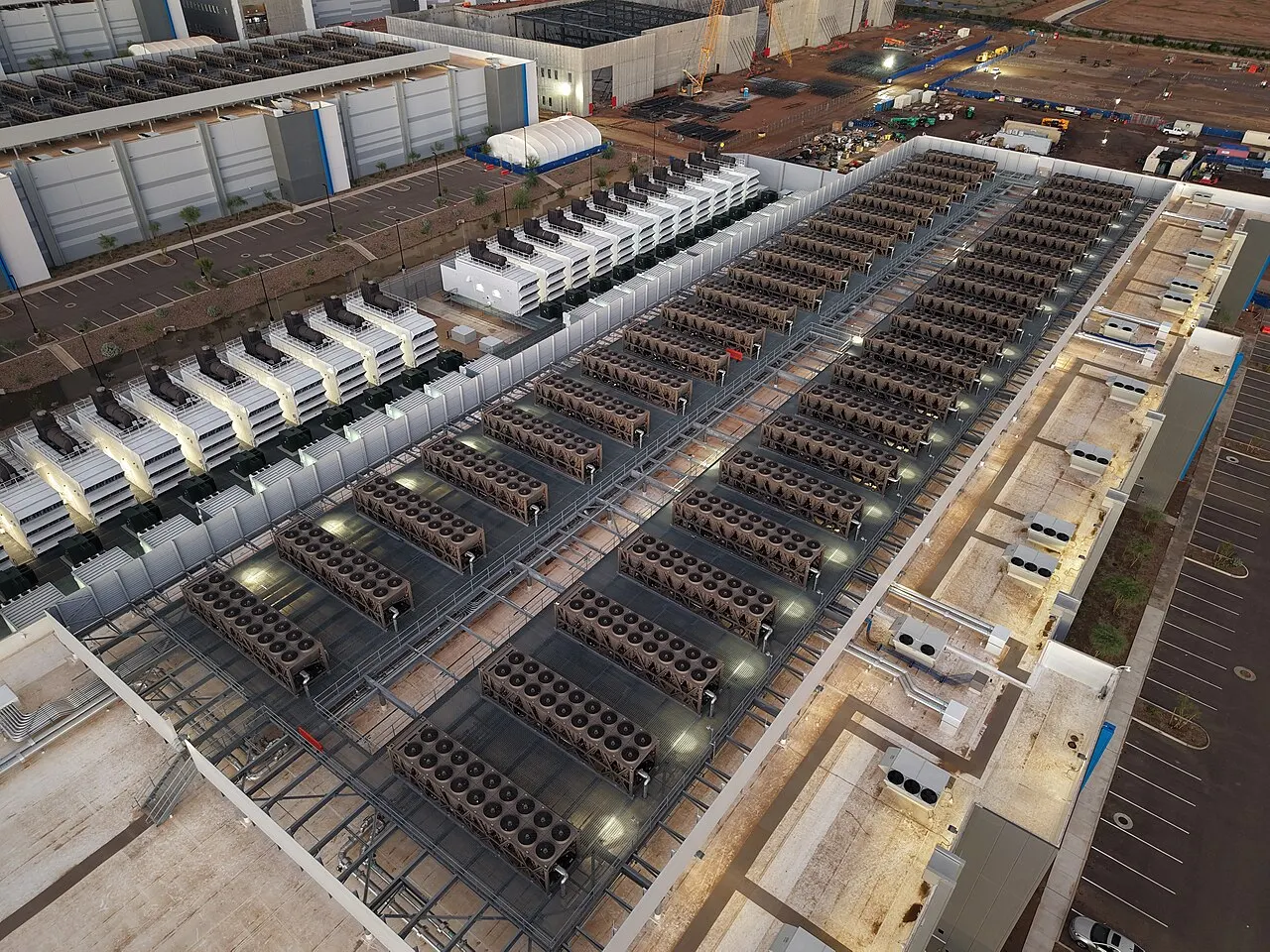
Morgan Stanley estimates US data-centre developers face a 32-gigawatt power shortfall through 2028, a gap that favours large, well-financed tech companies.
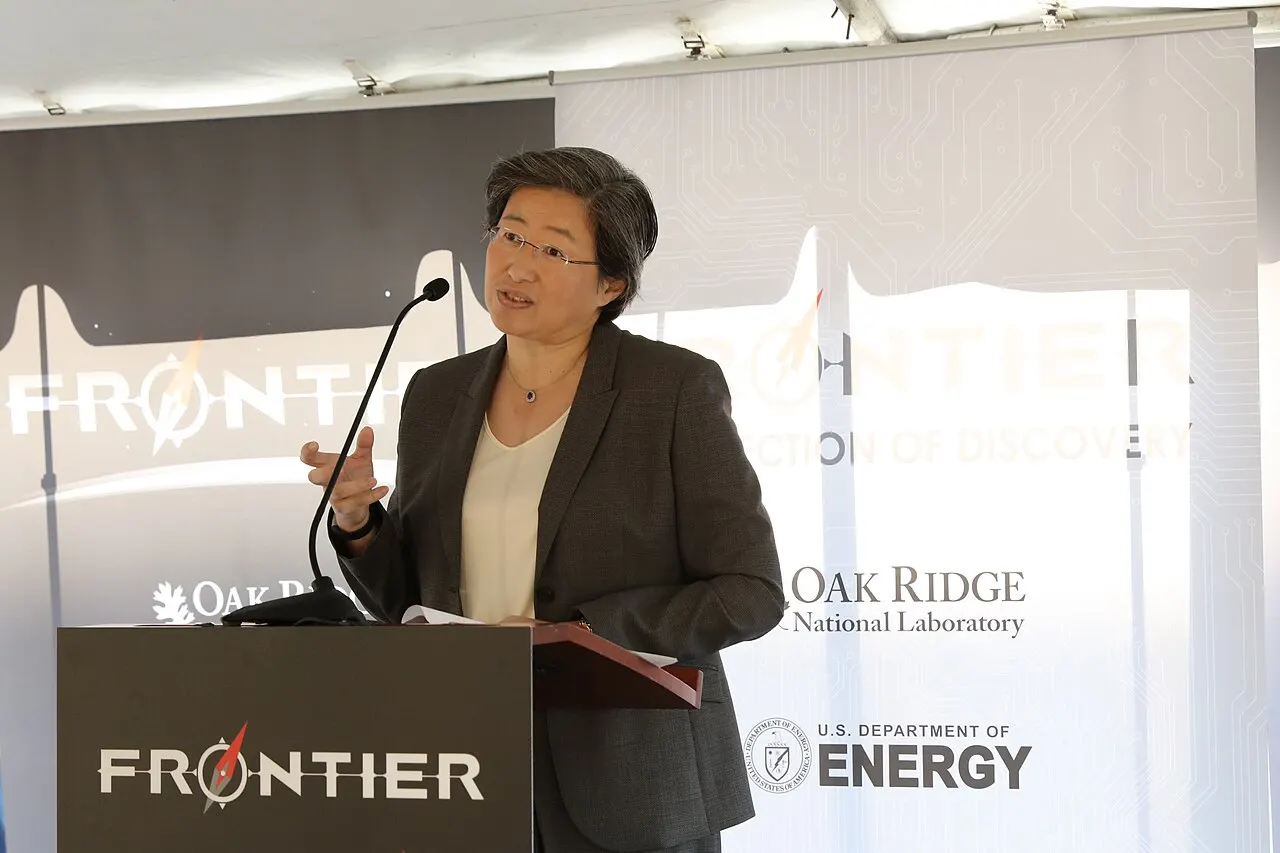
At OCP Global Summit 2026, AMD CEO Lisa Su forecast the CPU market topping $200 billion by 2030 and unveiled the Helion rack and the EPYC Verano server processor.