Morgan Stanley: power, not chips, may decide the AI race
Morgan Stanley estimates US data-centre developers face a 32-gigawatt power shortfall through 2028, a gap that favours large, well-financed tech companies.
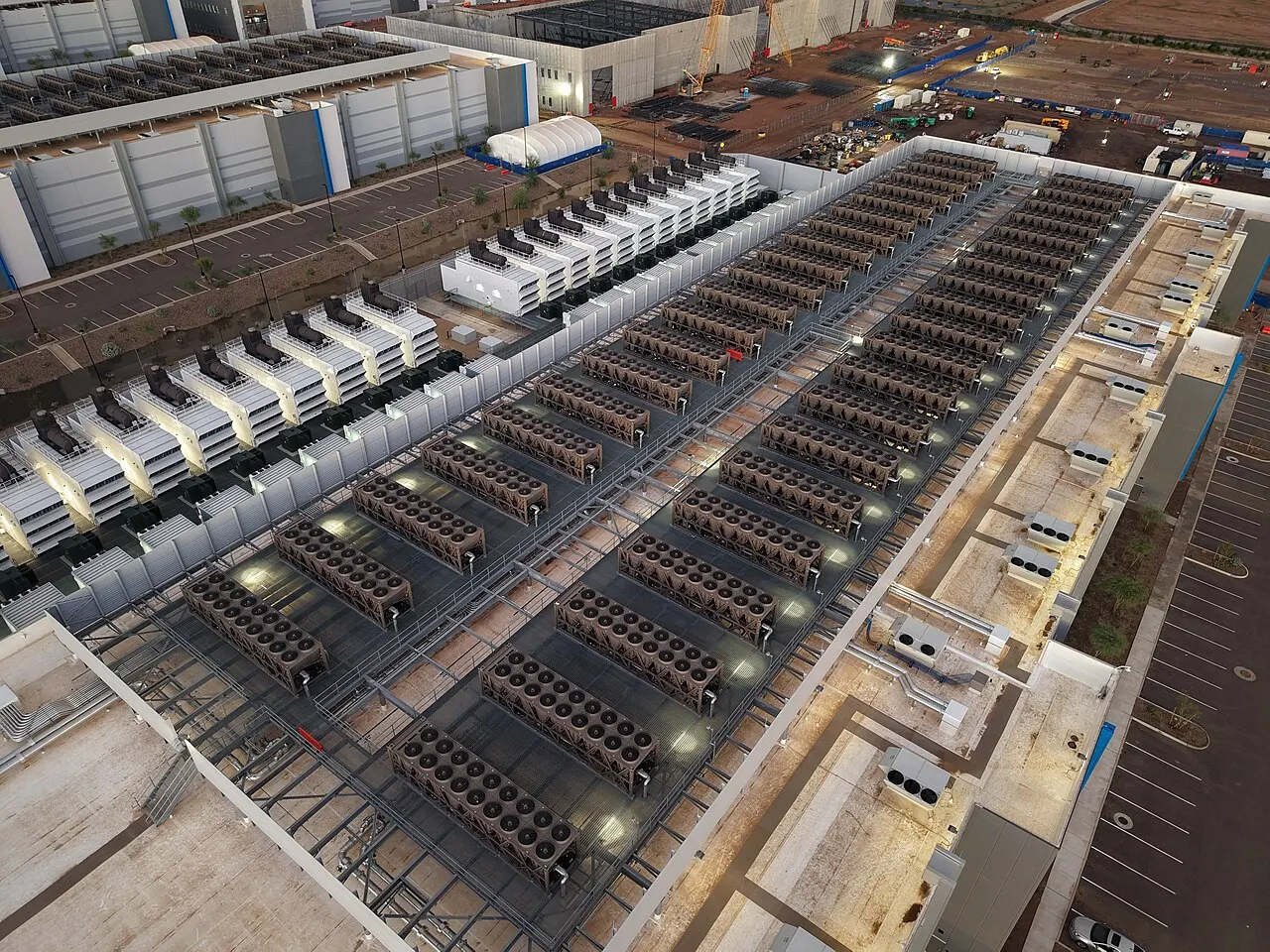
Morgan Stanley argued in a research report reported on October 17, 2026 that the global contest to scale artificial intelligence will increasingly hinge on access to electricity, financing and data-centre capacity rather than on securing the newest chips. The equity research report, titled "What Does the Power Shortfall Mean for Semis?", focuses on the United States.
The bank projects that US data-centre developers could be 32 gigawatts short of the power they need through 2028, even after counting extra generation solutions. That gap equals roughly 34 per cent of projected requirements, and the report suggests the cumulative shortfall could widen to 68 GW by 2029.
According to the report, Nvidia has backed the bank's view that demand for power exceeds supply and that more semiconductors are being produced than there are sites to install them. Growing chip output alone, the analysts suggest, may not keep the AI boom going without land, electricity and working data centres.
Scale and credit win access
Morgan Stanley said energisation of data centres is concentrating among a small group of large, creditworthy firms that can connect to the grid faster. It estimates big technology companies and specialist cloud providers could deliver about 94 per cent of global data-centre capacity additions in 2026, falling to 64 per cent in 2027 and 57 per cent in 2028. The bank warned this could "squeeze out" smaller players over time.
Chipmakers are exposed too. If chips cannot be deployed, the report said, customers may delay deliveries or cancel orders. Morgan Stanley still expects Nvidia and Broadcom to hit their 2027 forecasts thanks to visibility into demand and infrastructure, but sees greater risk for suppliers of memory, optical equipment and other components.
Asia is no escape valve
The crunch could push companies to build computing capacity abroad, including in Asian markets such as India. The bank's Asia data-centre team estimates 14 GW of US hyperscaler demand could move to Asia through 2030, without specifying India's share. Even so, the report said international expansion is not a fix for America's power problem.
The analysis highlights a structural limit for the industry: spending on chips may not translate into more computing capacity unless power supply and supporting infrastructure grow at the same pace.
Comments
No comments yet. Start the discussion or ask a question.
Related

Dell CEO Michael Dell says HBM and DRAM supply bottlenecks will deepen in 2027, as the company works through a $95 billion backlog of AI server orders.
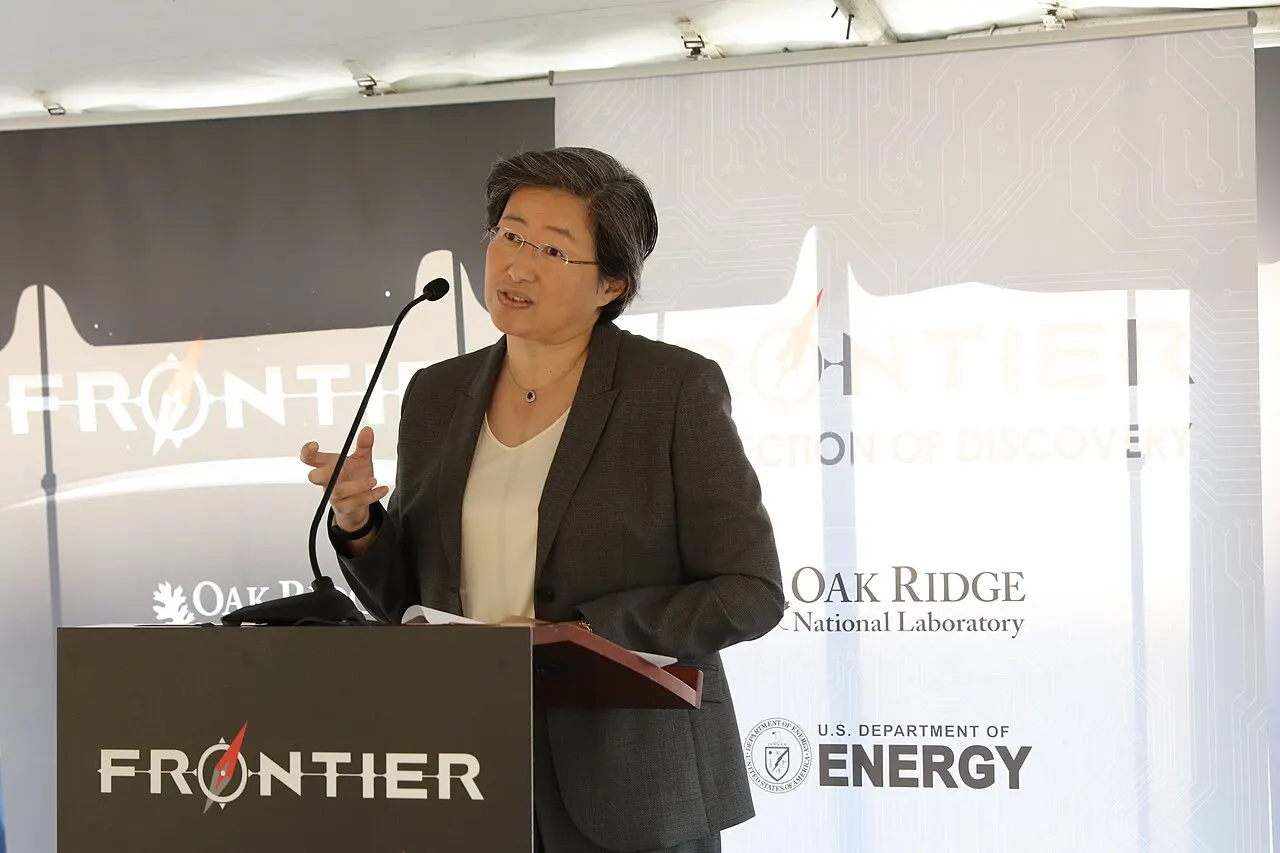
At OCP Global Summit 2026, AMD CEO Lisa Su forecast the CPU market topping $200 billion by 2030 and unveiled the Helion rack and the EPYC Verano server processor.
Laptops built on Nvidia's first notebook chip, the N1X sold as RTX Spark, reached stores in mid-October. An early Asus ProArt P14 test praised the screen and battery but faulted fan noise.