Michael Dell warns AI server memory shortage will worsen in 2027
Dell CEO Michael Dell says HBM and DRAM supply bottlenecks will deepen in 2027, as the company works through a $95 billion backlog of AI server orders.
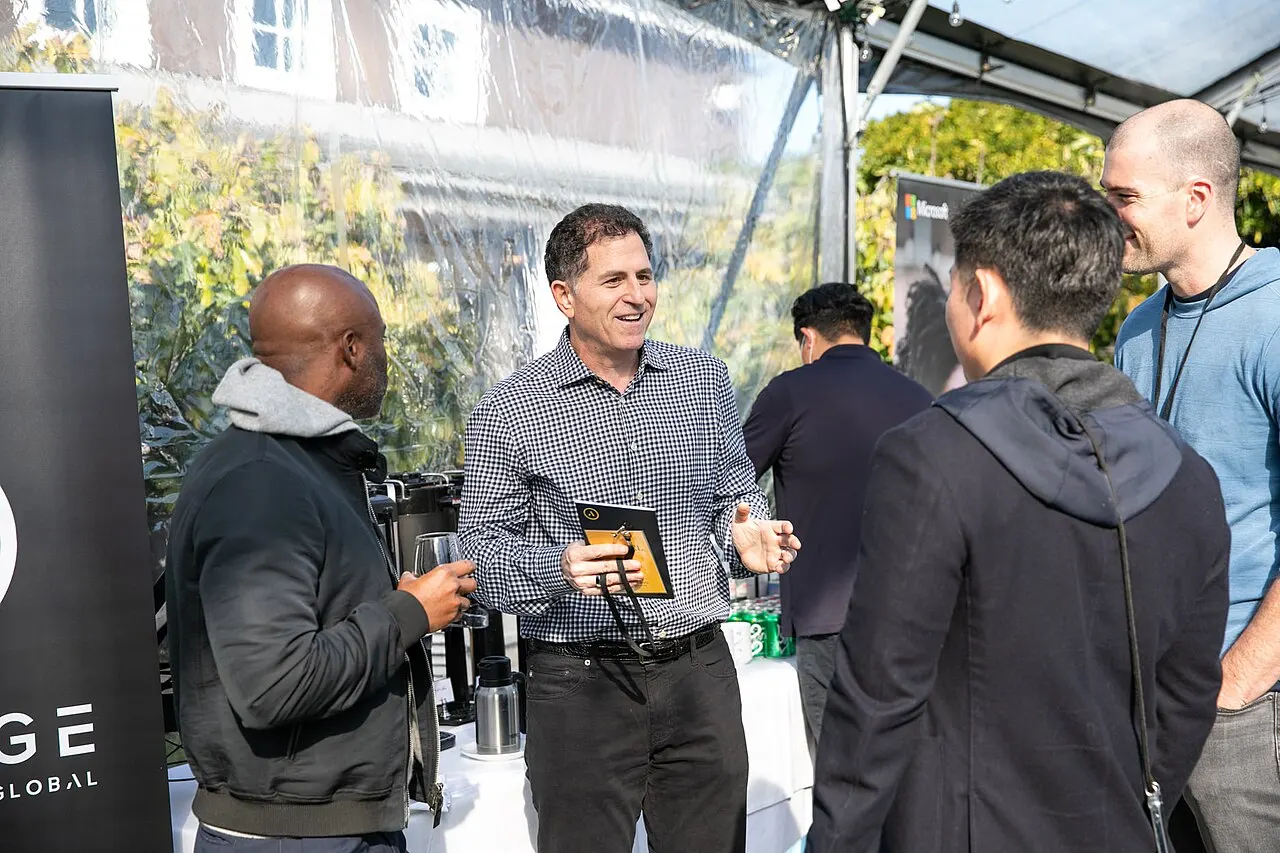
Dell chief executive Michael Dell has warned that the memory shortage hitting AI servers will get worse in 2027. According to his remarks, reported on October 17, 2026, constrained supplies of HBM and DRAM are slowing delivery of the company's $95 billion in AI server orders.
Dell said the memory constraints could last another four years. In his view, new semiconductor fabrication plants will not reach full capacity until 2029 or 2030, meaning relief is unlikely in the near term.
Demand outpacing supply
Global demand for AI infrastructure has already overtaken current memory production capacity. Advanced AI servers depend on HBM chips that work alongside high-performance GPUs, and rising memory prices are pushing up the cost of flagship server designs. That squeeze is creating a serious challenge for system integrators.
How Dell is managing the risk
To limit its exposure, Dell runs a tightly controlled inventory model designed to keep working capital from ballooning. The company sources DRAM chips at the point of assembly, aiming to shield its cash flow from sudden shifts in demand. It is also signing long-term supply agreements with memory makers such as Samsung and SK Hynix.
Customer prepayments allow Dell to reserve advanced memory capacity ahead of time, helping it insulate itself from price swings. Its engineers are also adapting server architectures to accept different memory configurations, so that systems can still ship when particular components are scarce.
Delivering the $95 billion backlog on schedule is the company's top priority, but memory supply has become one of the most significant obstacles to its growth targets. The warning underlines that the pace of AI build-outs increasingly depends not only on GPU availability but also on how quickly the memory industry can add capacity.
Comments
No comments yet. Start the discussion or ask a question.
Related
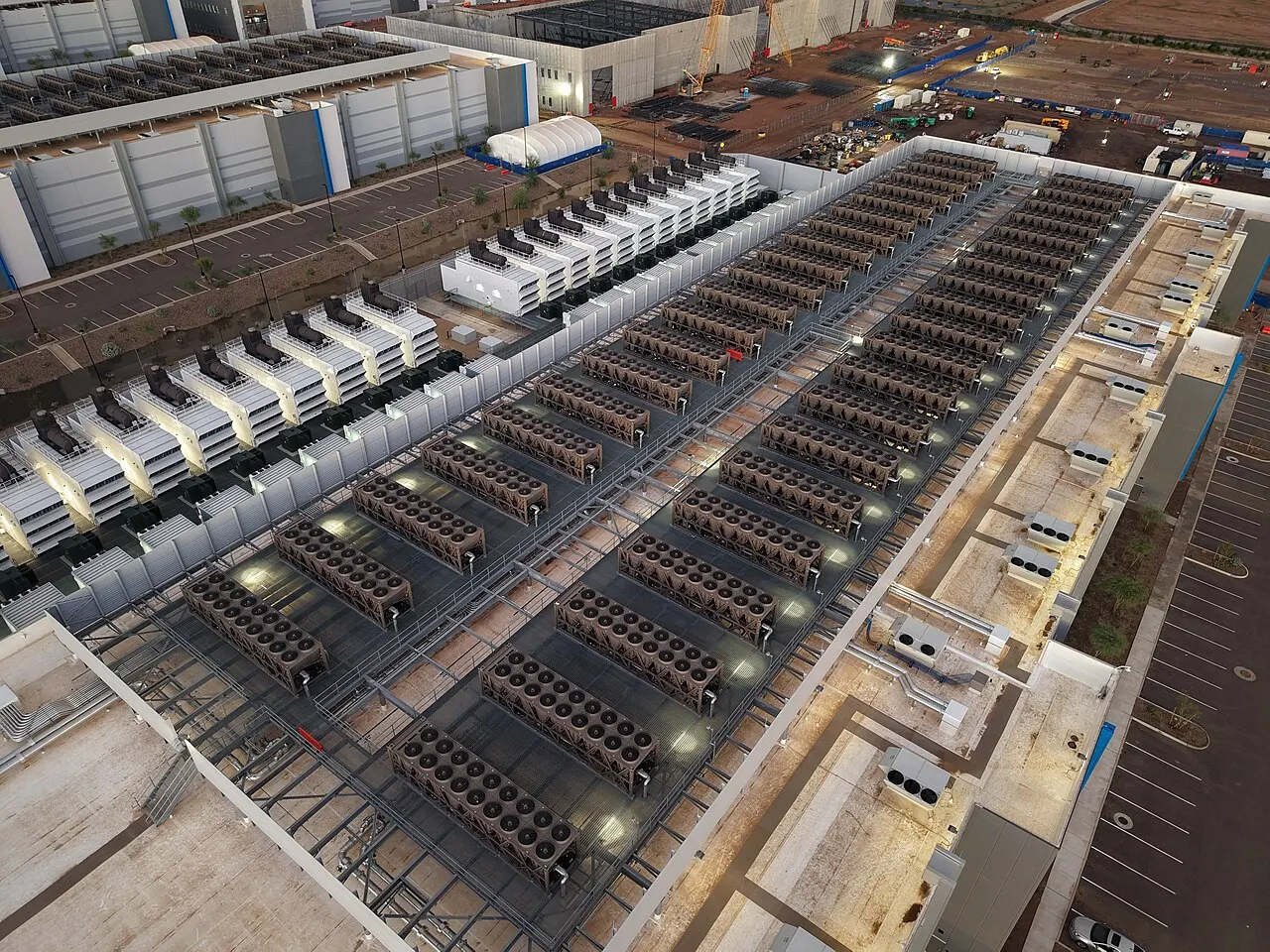
Morgan Stanley estimates US data-centre developers face a 32-gigawatt power shortfall through 2028, a gap that favours large, well-financed tech companies.
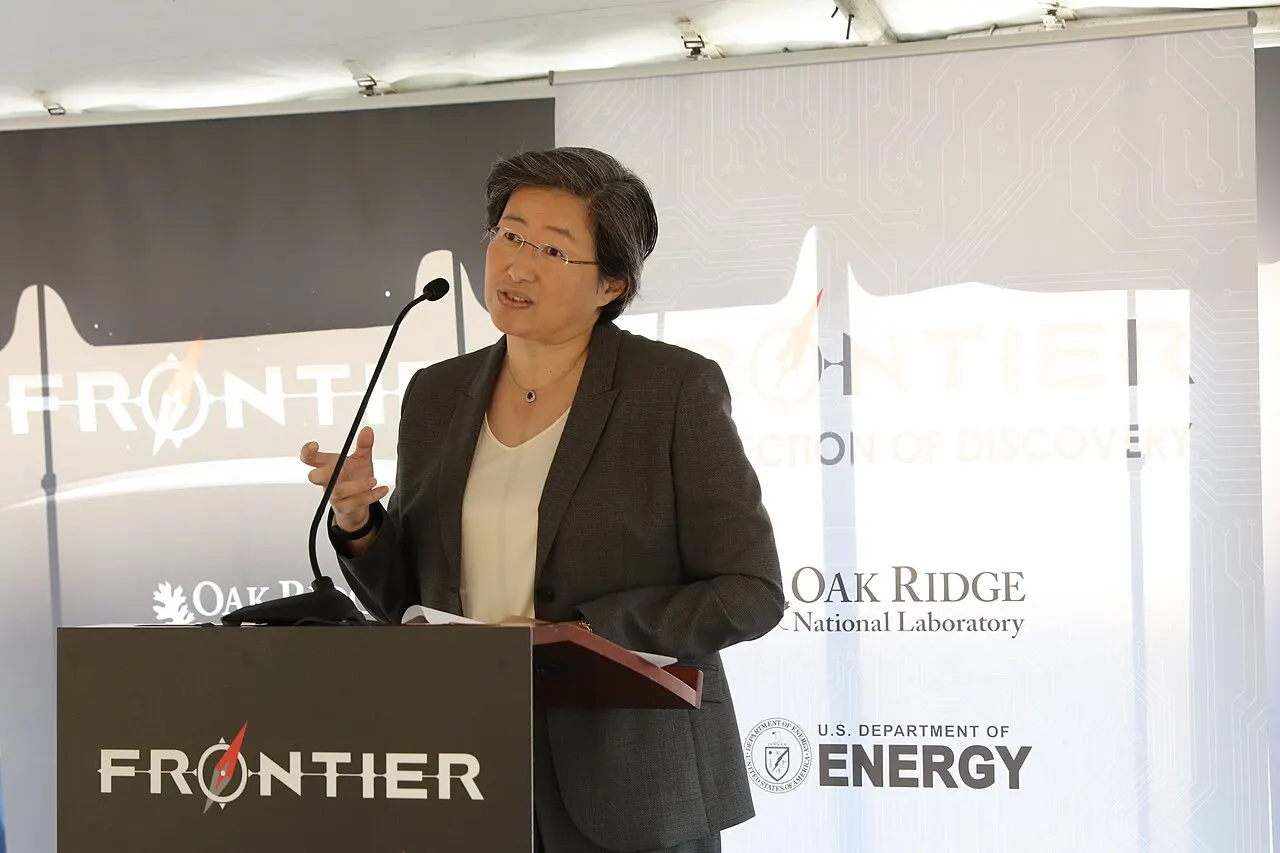
At OCP Global Summit 2026, AMD CEO Lisa Su forecast the CPU market topping $200 billion by 2030 and unveiled the Helion rack and the EPYC Verano server processor.
Laptops built on Nvidia's first notebook chip, the N1X sold as RTX Spark, reached stores in mid-October. An early Asus ProArt P14 test praised the screen and battery but faulted fan noise.