US AI data center construction stalls as 47 projects hit delays
Forty-seven major US AI data center projects were delayed, cancelled or blocked in 2026, as neocloud providers face revenue gaps and nervous investors.
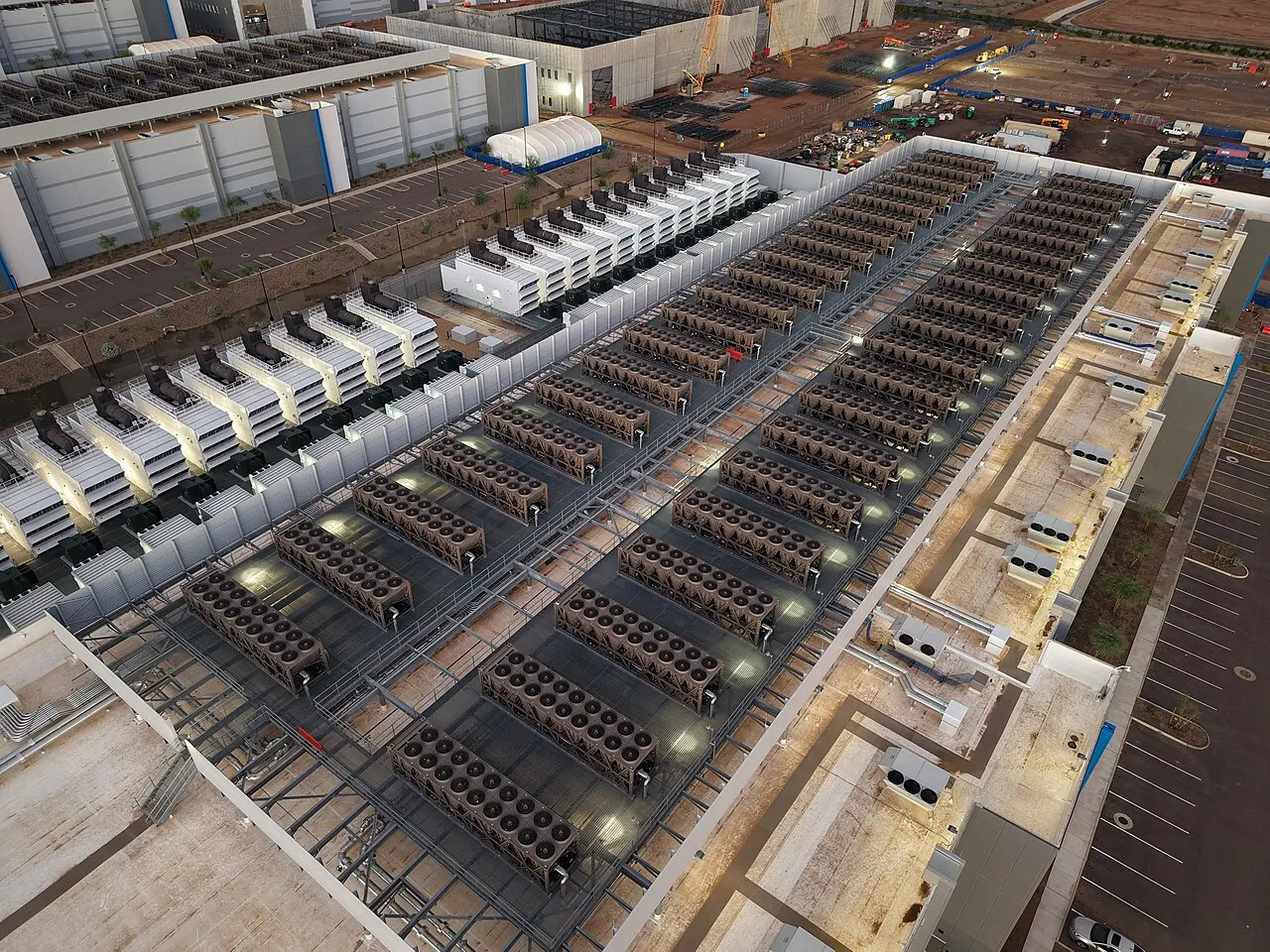
The breakneck build-out of AI infrastructure in the United States is running into obstacles. According to data from compliance advisory firm RegLayer, 47 large data center projects across the country were delayed, cancelled or blocked during 2026. As of 18 October 2026, the figures suggest the industry's gold-rush mood is giving way to caution.
The scale of spending is not in doubt. Statistics from Columbia Business School put expected AI investment at 3.6 percent of US gross domestic product. That exceeds the peak shares for railways in the late 19th century (2.2 percent) and road building in the mid-20th century (1.1 percent) combined. The internet roll-out between 1996 and 2003 absorbed only 1.1 percent.
Local rules and moratoriums
In the US, such projects are subject not only to federal and state requirements but also to municipal rules. Reporting indicates that more than 1,000 local governments have adopted regulations covering AI infrastructure, and some have imposed temporary moratoriums on construction.
The pressure falls hardest on neocloud providers, companies that build and run data centers and rent the capacity to AI developers such as Anthropic and OpenAI. Gartner calculated this week that neoclouds would need 8.5 trillion in revenue by 2030 to justify their build plans, while the AI providers renting from them could generate at most 3.6 trillion by then.
Nscale, in which Nvidia holds a significant stake, is cited as an example. The company reportedly had only 25,000 of a planned 500,000 AI chips online by August 2026. Nscale is hoping for a stock market listing at a valuation of 35 billion dollars. OpenAI, the sector's heavyweight, has already postponed an IPO originally planned for 2026.
Investors wary as Berlin summit nears
Doubts are also spreading among investors in listed neoclouds. CoreWeave shares lost about 25 percent in the week ending 18 October 2026, with higher interest costs and concern about rising US inflation cited as reasons.
In Germany, the federal government is hosting an AI investment summit in Berlin on 19 and 20 October 2026, where Nvidia CEO Jensen Huang is expected to meet Chancellor Friedrich Merz. Ahead of the meeting, Huang criticised the country, telling journalists that nothing pained him more than watching one of the most technologically advanced nations fall so far behind.
Comments
No comments yet. Start the discussion or ask a question.
Related
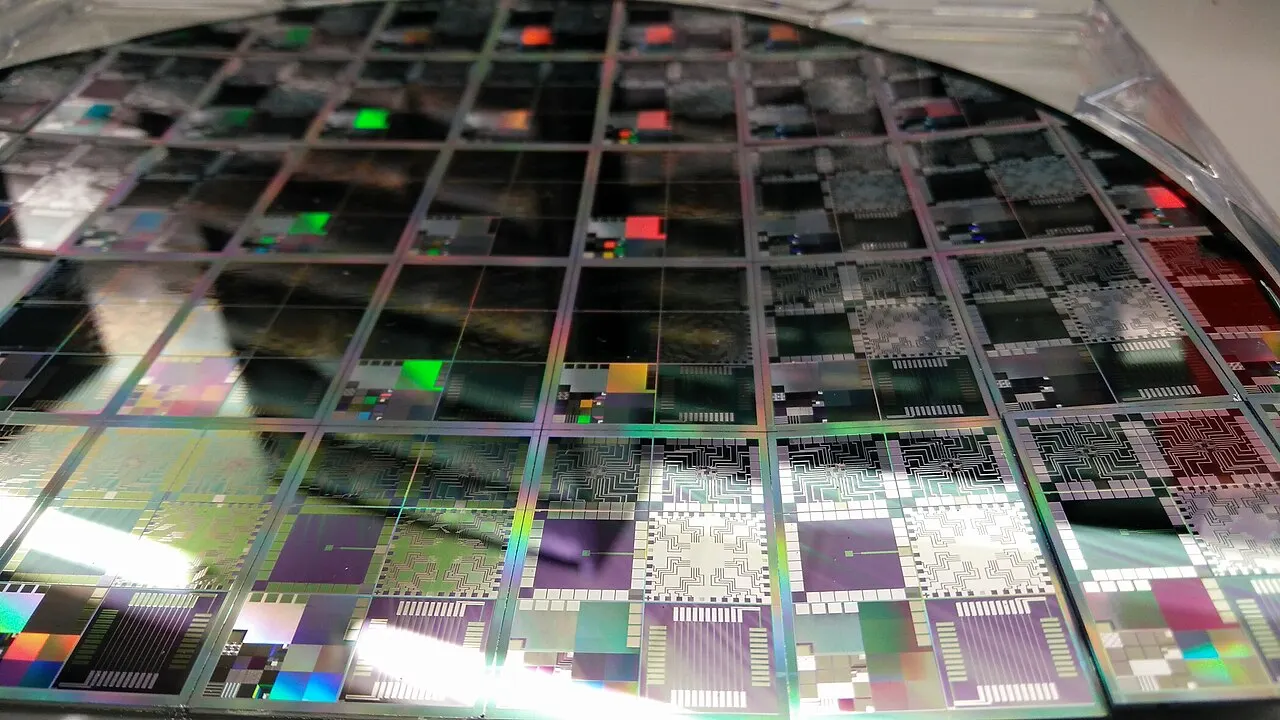
The Philadelphia Semiconductor Index fell 3.3% on October 15, 2026, taking six-day losses in US chipmakers' market value to $1.64 trillion.
Dutch DJ Reinier Zonneveld has unveiled GasLab, a generative AI music platform that credits and pays the artists behind each track, backed by $1 million in pre-seed funding.
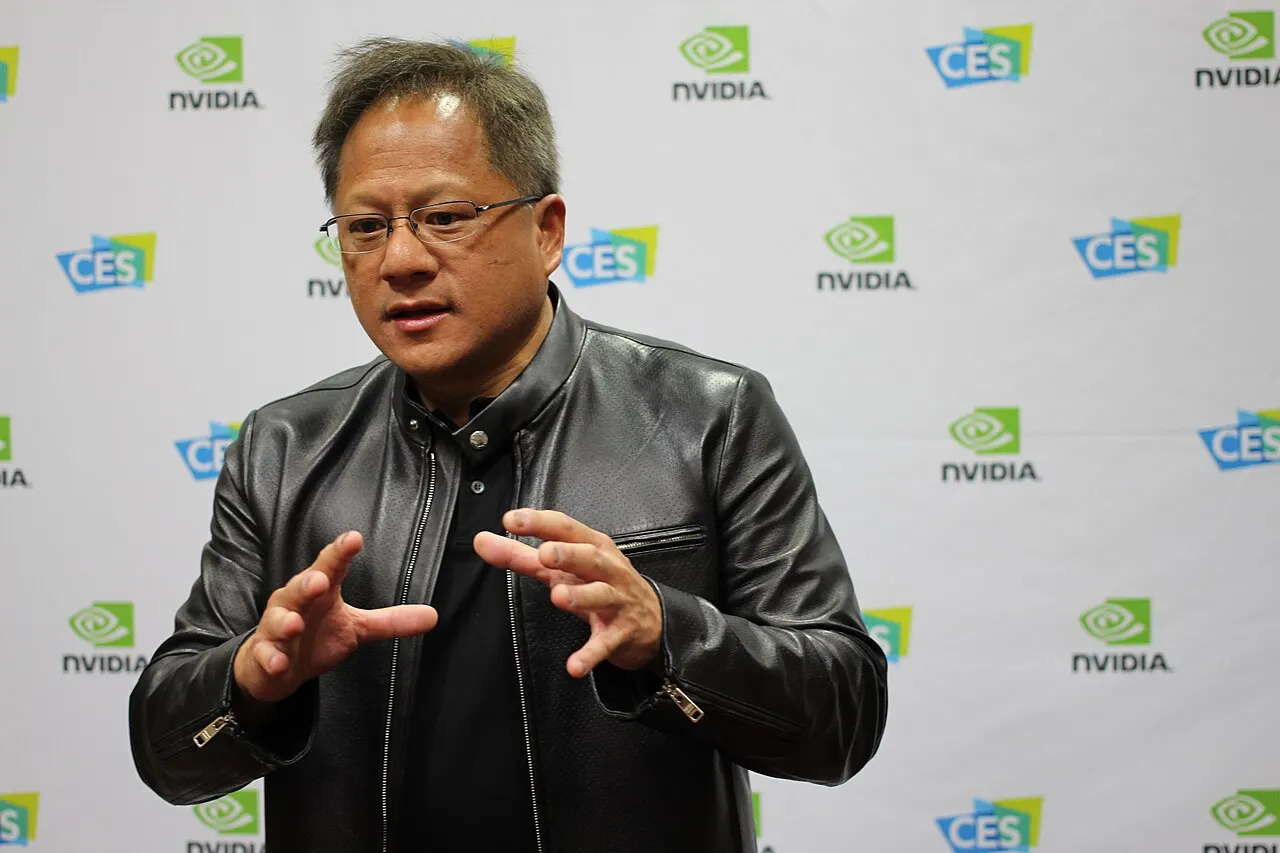
Jensen Huang's defence of CoreWeave's finances eased pressure on chip stocks, helping the S&P 500 snap a three-day losing streak on October 15, 2026.