Chip stocks lose $1.64 trillion in six days as AI spending fears grow
The Philadelphia Semiconductor Index fell 3.3% on October 15, 2026, taking six-day losses in US chipmakers' market value to $1.64 trillion.
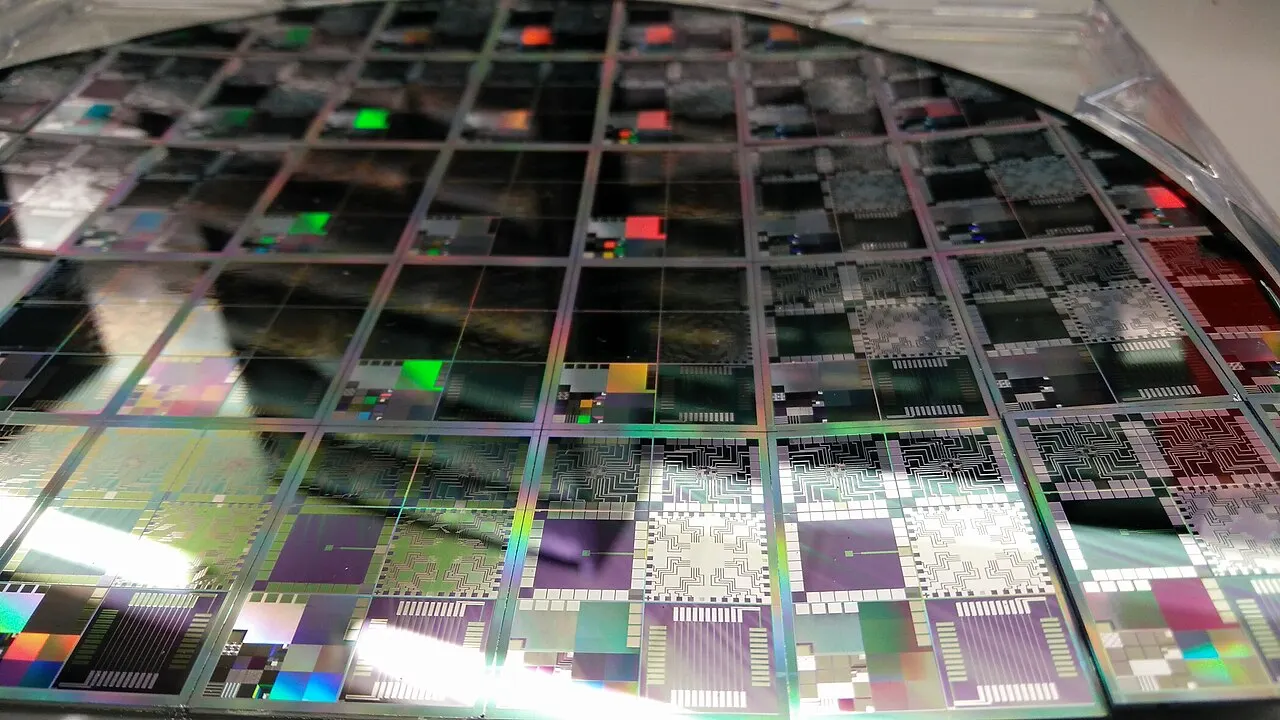
A selloff in US semiconductor shares deepened on Thursday, October 15, 2026, as investors questioned the payoff from massive spending on artificial intelligence infrastructure. The Philadelphia Semiconductor Index (SOX) dropped 3.3% that day, bringing the market value erased over six trading sessions to $1.64 trillion. If the slide continues, losses for US chip companies could approach $2 trillion.
After a strong run in the first half of the year, chip stocks are now down roughly 20% from their June peaks. The decline weighed on Wall Street broadly, especially the tech-heavy Nasdaq. Both the S&P 500 and the Nasdaq posted their worst session since July on Wednesday, October 14, before partially recovering on Thursday.
Heavy damage in Seoul
Asian markets suffered more. South Korea's Kospi, home to leading memory chipmakers, plunged 7.6% on Thursday. SK Hynix fell 11% and Samsung Electronics lost 9.5%, and trading was temporarily halted because of the size of the drop.
Corporate results, however, do not point to a collapse in AI demand. TSMC reported record third-quarter profit that beat analyst forecasts, yet its shares still slipped 2%. Chip equipment maker ASML had also topped expectations a day earlier, but neither company's results could halt the sector-wide retreat.
Rates, returns and Chinese competition
A key trigger was fresh US inflation data that revived the possibility of another interest rate increase. Market-implied odds of a Federal Reserve hike at the end of the month briefly reached 50% before easing. Higher rates raise borrowing costs for companies taking on heavy debt to build data centers and AI systems, sharpening doubts about whether hundreds of billions of dollars in investment will generate adequate returns.
Because leading AI developers such as Anthropic and OpenAI are privately held, investors watch chipmakers and infrastructure suppliers as a proxy for AI demand. According to press reports, Anthropic told investors in a presentation tied to preparations for a public listing that its revenue rose 45% last quarter to $17 billion. That pace was markedly slower than in the second quarter, fuelling concern about how long the sector's rapid growth can last.
Competition from China added to the unease. Chinese memory maker CXMT said it had made progress in advanced memory technology, raising questions about the future of the high-bandwidth memory market that supplies AI accelerators. New capacity and alternative suppliers could erode incumbents' pricing power and margins.
Comments
No comments yet. Start the discussion or ask a question.
Related
Dutch DJ Reinier Zonneveld has unveiled GasLab, a generative AI music platform that credits and pays the artists behind each track, backed by $1 million in pre-seed funding.
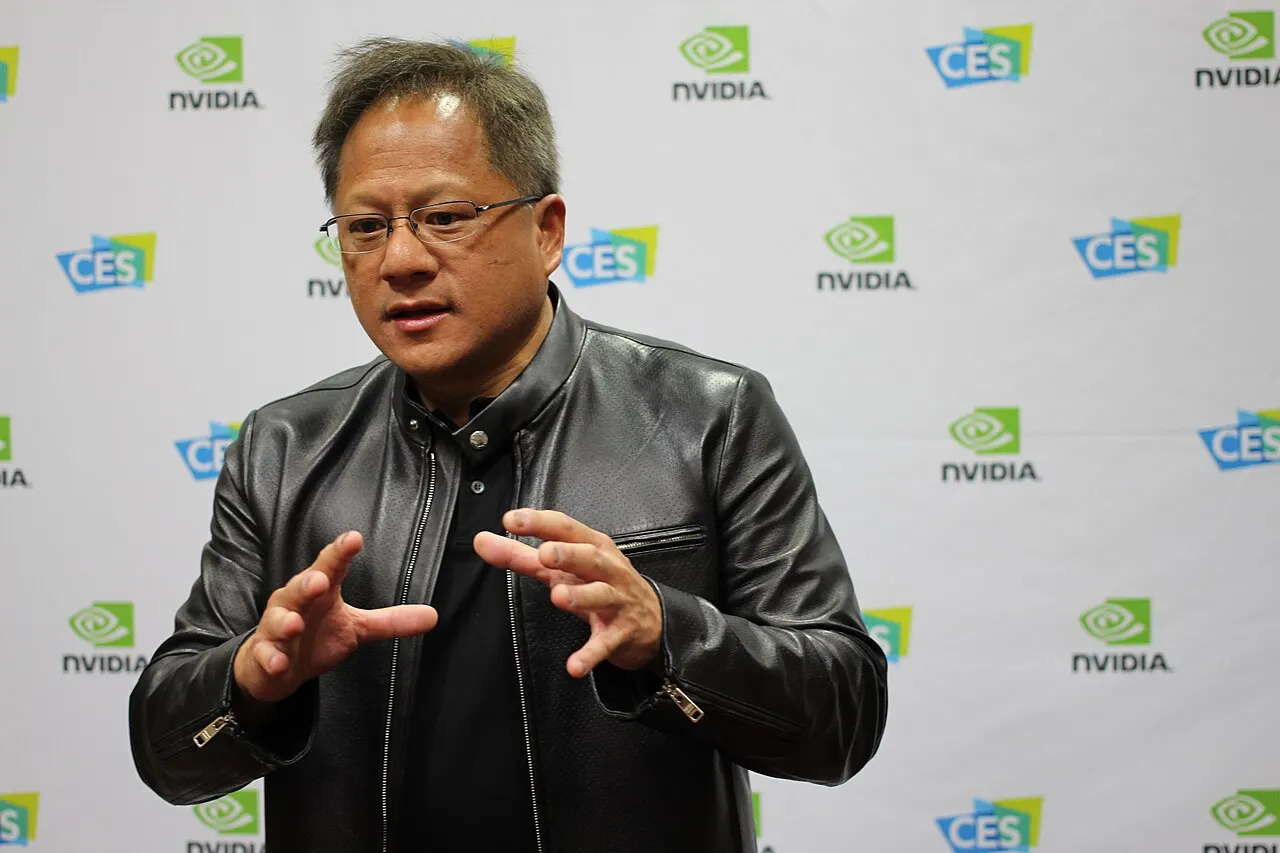
Jensen Huang's defence of CoreWeave's finances eased pressure on chip stocks, helping the S&P 500 snap a three-day losing streak on October 15, 2026.
Shares and bonds of Nvidia-backed CoreWeave have slid, as investors question whether debt-funded AI data centre spending can be sustained.