Nvidia's Huang defends CoreWeave as AI-driven stock selloff reverses
Jensen Huang's defence of CoreWeave's finances eased pressure on chip stocks, helping the S&P 500 snap a three-day losing streak on October 15, 2026.
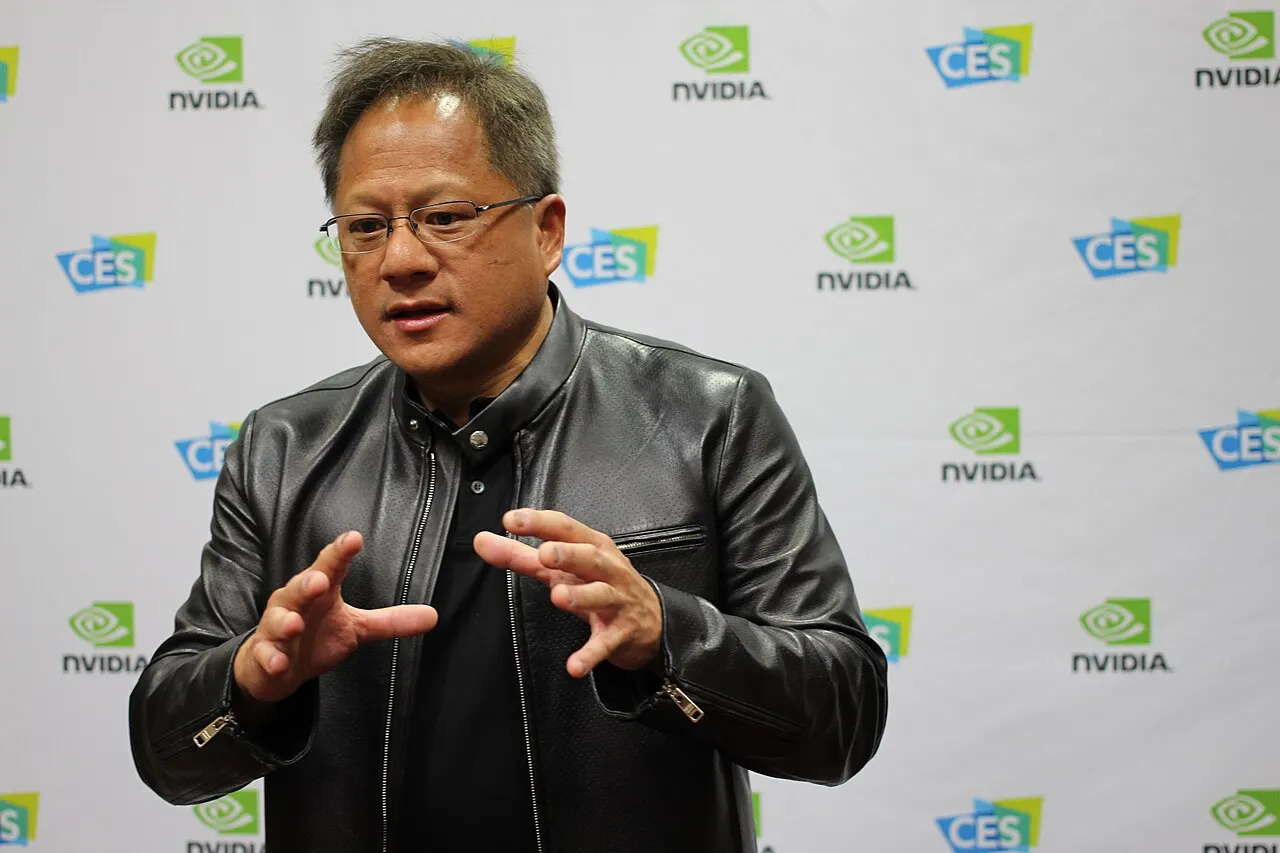
Global equities recovered on October 15 and 16, 2026, after a stretch of selling driven by worries over artificial intelligence infrastructure spending. Nvidia chief executive Jensen Huang defended the financial position of CoreWeave, a cloud infrastructure provider and major Nvidia customer, which helped calm the rout in semiconductor shares. The S&P 500 ended a three-session losing run.
The central fear in markets had been that the enormous sums poured into AI infrastructure might outpace the returns companies can realistically earn from them. Those concerns intensified as CoreWeave's credit risk measures climbed to a record, putting a spotlight on data center buildouts funded largely with debt.
A broader rally
The October 15 advance reached well beyond technology. The equal-weighted version of the S&P 500 gained 1.4%, suggesting buyers were spread across a wide range of stocks. Meanwhile, bond yields sitting at multi-year highs had investors weighing whether fixed income is attractive again.
Manish Singh of Crossbridge Capital said demand for AI and its long-term opportunity are real, but warned that not every company investing in infrastructure will deliver strong returns to shareholders. "AI may be the future, but debt service is still today's issue," Singh said.
Warsh and Asian chipmakers
Stocks kept climbing on the morning of October 16 while the dollar weakened. Federal Reserve Chair Kevin Warsh did not signal support for another rate hike despite firm inflation data, and market-implied odds of an increase this month fell from above 25% to 15%. Warsh also described AI as a significant opportunity for the US economy, lending further support to tech shares.
By 08:20 Istanbul time, the MSCI Asia Pacific Index was up 1.6%, and S&P 500 futures had erased losses of as much as 0.6% to trade 0.2% higher. Memory chipmakers Samsung Electronics and SK Hynix each rose more than 4%, and South Korea's Kospi rebounded 4% after a steep drop the previous day. Gold edged up to roughly $4,175 an ounce.
The rebound suggests investors still believe in the AI growth story but are becoming more discriminating about how it is financed. The balance sheets of heavily leveraged infrastructure players are likely to remain a key gauge of market sentiment in the months ahead.
Comments
No comments yet. Start the discussion or ask a question.
Related
Dutch DJ Reinier Zonneveld has unveiled GasLab, a generative AI music platform that credits and pays the artists behind each track, backed by $1 million in pre-seed funding.
Shares and bonds of Nvidia-backed CoreWeave have slid, as investors question whether debt-funded AI data centre spending can be sustained.
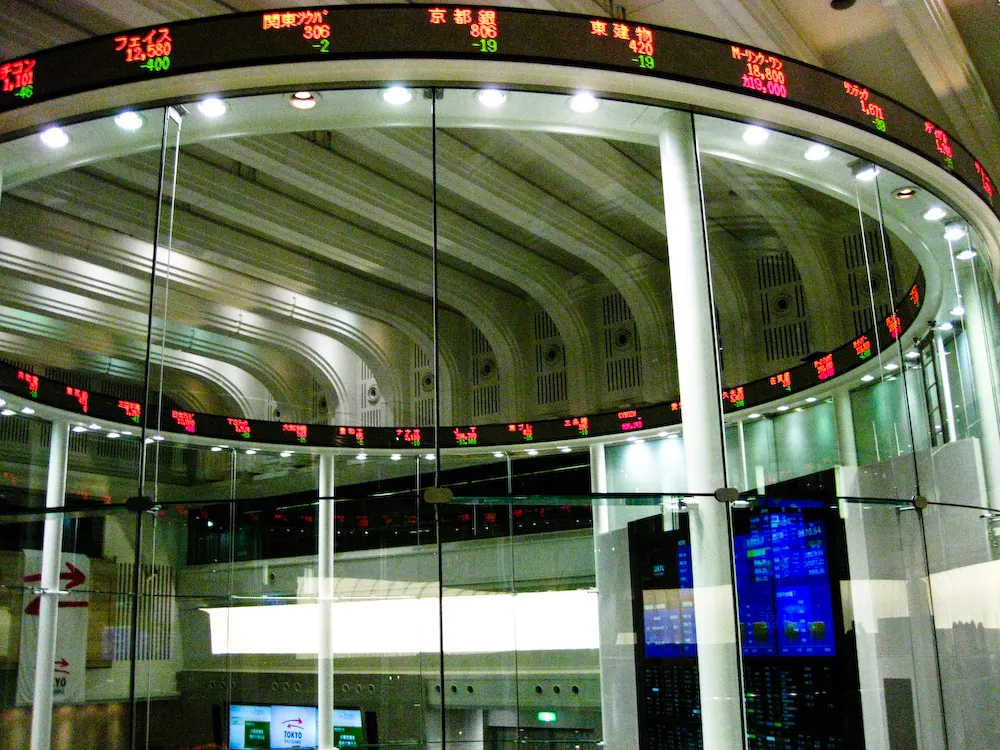
Hotter-than-expected US inflation and worries over debt in the AI sector triggered steep losses across Asian markets on 15 October 2026.