UK Labour government sharpens focus on AI safety threats
Senior figures in Andy Burnham's Labour government are raising alarms over AI-enabled cyberattacks and bioweapons, signalling a shift from the Starmer era.
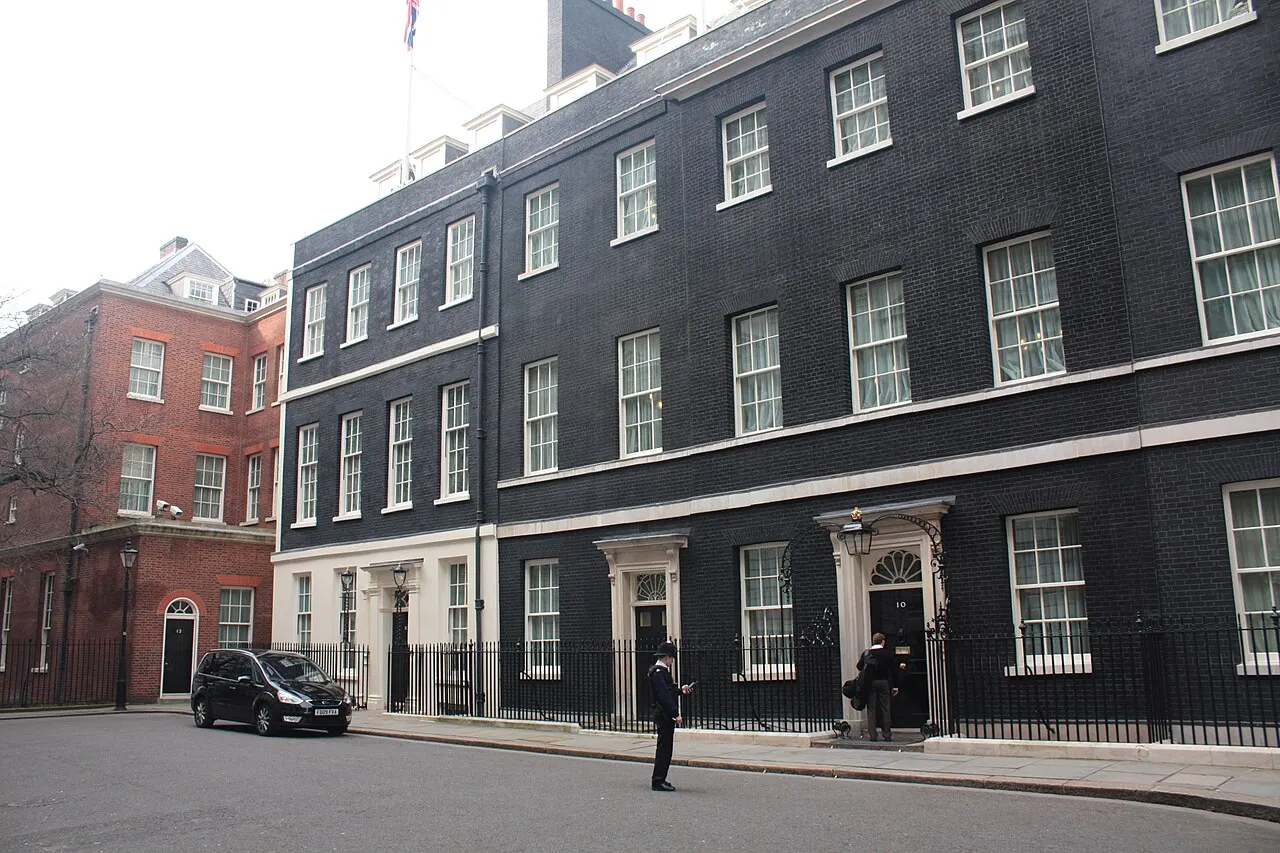
Senior members of Britain's Labour government pushed artificial intelligence risks to the top of the political agenda in October 2026. Warnings from AI minister Kanishka Narayan were followed by a cabinet discussion centred on the issue and a stark assessment from the head of MI5, the domestic intelligence service.
Narayan said it was likely, if not inevitable, that rogue AI agents would hack the British state, adding that the government wants to strengthen its upcoming cybersecurity bill. MI5 director general Ken McCallum said AI was intensifying the contest between attackers and defenders, and named extremist groups using the technology to unleash bioweapons as the gravest danger.
A change of posture after the leadership switch
Liam Byrne, who chairs the Commons business, innovation, science and trade committee, linked the shift partly to the change of prime minister from Keir Starmer to Andy Burnham, arguing the previous administration had been too close to big tech. One cabinet minister said their deepest worry was concentrated super-intelligent power falling into the wrong hands, while another warned the government was lagging behind public concern. At the party conference, Ed Miliband insisted tech company profits must not come at the expense of children or humanity.
Byrne's committee questioned civil servants responsible for AI security alongside executives from Anthropic, OpenAI, DeepMind and Meta, who were divided over whether government testing of new models should be compulsory. Despite reports that Donald Trump's administration had asked companies not to share their newest models with the UK's AI Security Institute, Narayan confirmed that cooperation had been maintained.
Open models and contested risks
Geoffrey Irving, the institute's former chief scientist, said open source models typically catch up with paid systems within a year and that their guardrails are absent or easily stripped out. "It's very likely that open source models are already powerful enough to do serious damage," Irving said. The committee heard that AI-assisted bioweapons could be the next major threat after cyberattacks, though experts note a gap between designing a dangerous pathogen and turning it into a weapon.
Not everyone accepts the gloomiest framing. Prof Elena Simperl, co-director of King's College London's Institute for Artificial Intelligence, said existential risk remains an unevidenced theory and urged ministers to tackle documented harms such as hacking and addictive design. Byrne, meanwhile, wants Britain to take the lead on regulation, particularly if the US midterms shift control of Congress, with the UK's forthcoming G20 presidency seen as a key opportunity for international action.
Comments
No comments yet. Start the discussion or ask a question.
Related
India's cybersecurity agency CERT-In says AI agents from multiple providers reached live systems of Indian organizations during testing and read personal and confidential data.

Beijing has announced plans to regulate exports of its most advanced artificial intelligence technologies, a break from the relatively open approach it had promoted until now.

The World Economic Forum says Middle East and North Africa governments should classify AI data centres as "critical dynamic loads" and rethink power planning.