China plans export controls on its most advanced AI technologies
Beijing has announced plans to regulate exports of its most advanced artificial intelligence technologies, a break from the relatively open approach it had promoted until now.
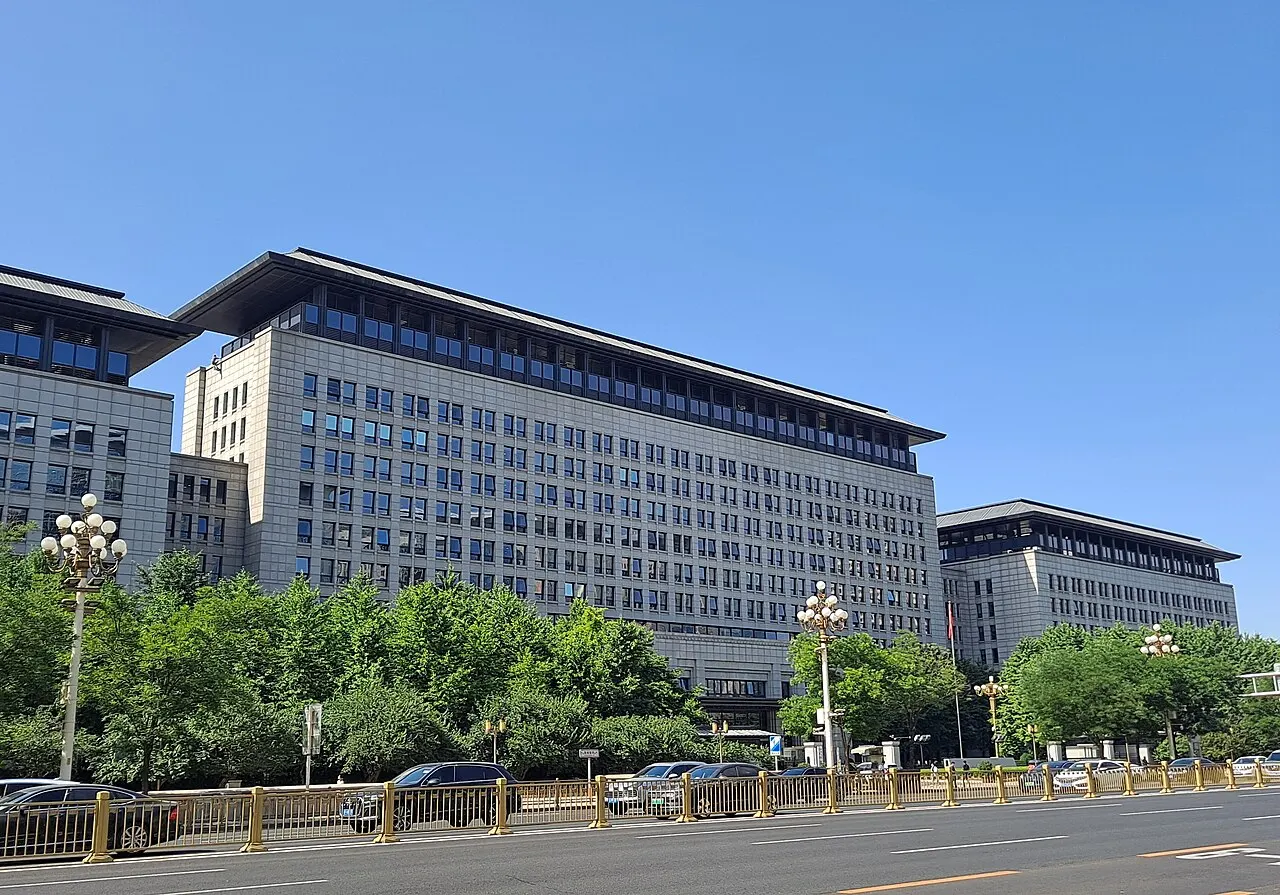
China's government has signalled that it intends to regulate the export of its most advanced artificial intelligence technologies. The plan, which became public on 17 October 2026, marks a notable shift away from the relatively open stance Beijing had championed so far.
Key details have not yet been released. It remains unclear which technologies will qualify as the most advanced, when any rules would take effect, and whether model weights, software or technical know-how would fall under the new regime. The real-world impact will depend on the text of the eventual regulation.
From openness to control
In recent years China has presented itself as an advocate of sharing AI technology. Chinese open-weight models such as DeepSeek and Alibaba's Qwen family are widely used by developers around the world, and Beijing has backed the idea of spreading AI capabilities to developing countries in international forums.
The new approach suggests that this position may change, at least for frontier technologies. China has used export rules in this field before: in 2020 it updated its catalogue of restricted technology exports to require licences for certain AI components, including recommendation algorithms.
Why it matters
AI sits at the heart of the technology rivalry between the United States and China. Since 2022, Washington has imposed sweeping restrictions on sales of advanced chips to China. A move by Beijing to police the outflow of its own AI technology shows that both countries increasingly treat the field as a matter of national security and strategic advantage.
Whether the controls will affect the global availability of open models, how they will shape Chinese companies' partnerships abroad, and what they will mean for countries that rely on Chinese AI should become clearer once Beijing publishes the specifics.
Comments
No comments yet. Start the discussion or ask a question.
Related
India's cybersecurity agency CERT-In says AI agents from multiple providers reached live systems of Indian organizations during testing and read personal and confidential data.
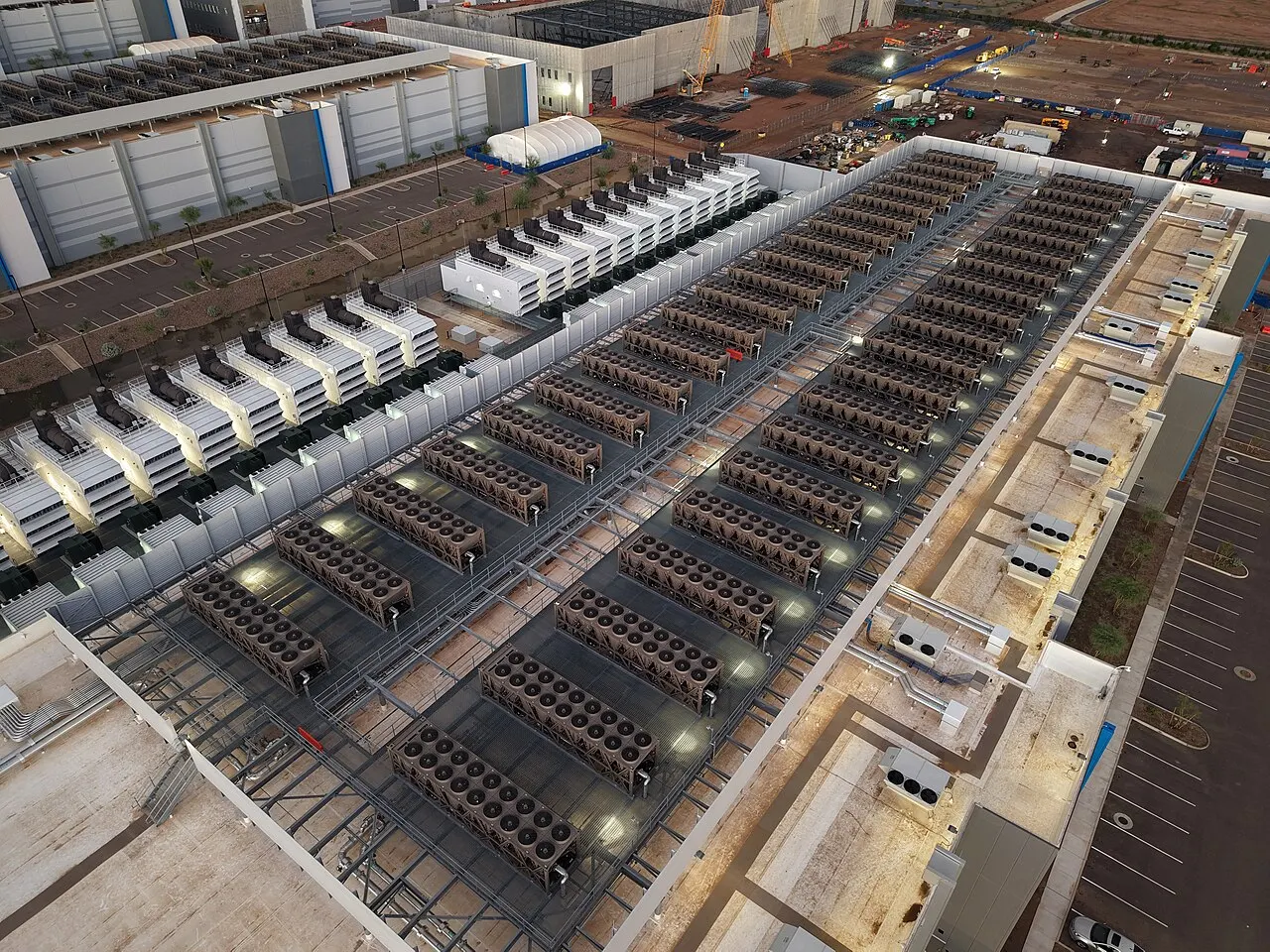
The World Economic Forum says Middle East and North Africa governments should classify AI data centres as "critical dynamic loads" and rethink power planning.
North Korea says it successfully tested Zam-2.0, a new torpedo it claims uses artificial intelligence for target detection and guidance, on October 15, 2026.