WEF urges MENA to treat AI data centres as critical grid loads
The World Economic Forum says Middle East and North Africa governments should classify AI data centres as "critical dynamic loads" and rethink power planning.
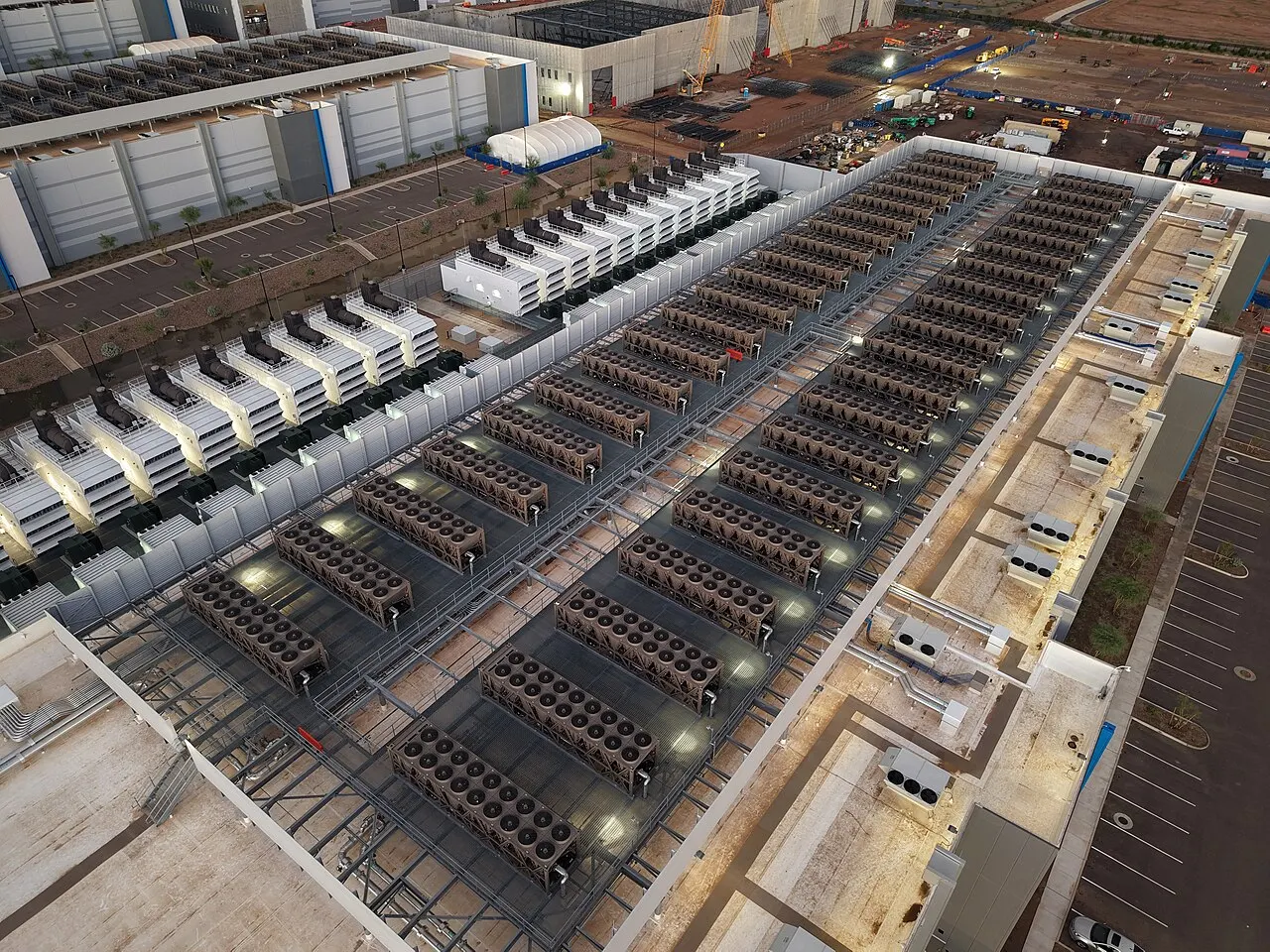
The World Economic Forum (WEF) has urged countries across the Middle East and North Africa (MENA) to classify artificial intelligence data centres as "critical dynamic loads" and overhaul how they plan energy supply, in a report reported on October 17, 2026. The forum warned that surging electricity demand, scarce water and extreme heat could undermine the region's bid to become a global hub for AI infrastructure.
According to the WEF, regional electricity capacity must grow by 40 per cent by 2030, yet current projections point to only 15 per cent growth. That gap raises doubts over whether power systems can keep pace with the rapid build-out of energy-hungry AI facilities.
Mandatory demand forecasts
The report recommends that governments treat AI data centres as a distinct category from ordinary industrial and commercial users and introduce compulsory energy-demand forecasting. Projects above 10 megawatts of IT load would have to file detailed electricity forecasts with their grid-connection applications. It also calls for coordination bodies bringing together developers, utilities, grid operators and regulators.
The WEF highlighted how different AI workloads are: an AI server rack draws 30 to 100 kilowatts, against 3 to 10 kilowatts for conventional web workloads. Abrupt swings in demand could destabilise grids, especially if several facilities drop off or reconnect at the same moment.
Cooling is another strain. The report said it accounts for more than 40 per cent of electricity use at data centres in the region, while high temperatures and limited water push up costs and pressure on resources.
Four areas for action
The forum set out four priorities: smarter infrastructure design, integrated energy systems, advanced cooling and water management, and forward-looking regulation. Suggested tools include solar power paired with batteries, on-site generation, AI-driven energy management, closed-loop cooling and treated wastewater. Small modular nuclear reactors and enhanced geothermal systems are flagged as longer-term options, though their commercial viability remains uncertain.
Behind-the-meter generation could speed up data centre deployment by 12 to 36 months by easing reliance on utility connections, the report said, and it urged governments to harmonise standards and cooperate across borders. "The question is no longer simply whether to expand digital infrastructure," the WEF wrote, presenting its recommendations as a working framework for the next five years.
Comments
No comments yet. Start the discussion or ask a question.
Related
North Korea says it successfully tested Zam-2.0, a new torpedo it claims uses artificial intelligence for target detection and guidance, on October 15, 2026.
Former Australian Prime Minister Kevin Rudd urged Washington and Beijing in Mumbai to cooperate urgently on AI safeguards before a major security crisis forces their hand.

India's IT Minister Ashwini Vaishnaw has asked for a regulation-focused AI safety consultation paper, with deepfakes a key concern, to be published within a month.