OpenAI to add invisible watermarks to ChatGPT text in the EU
OpenAI will embed an invisible watermark called textGrain in eligible ChatGPT and Codex text in the EU to meet the AI Act's transparency rules.
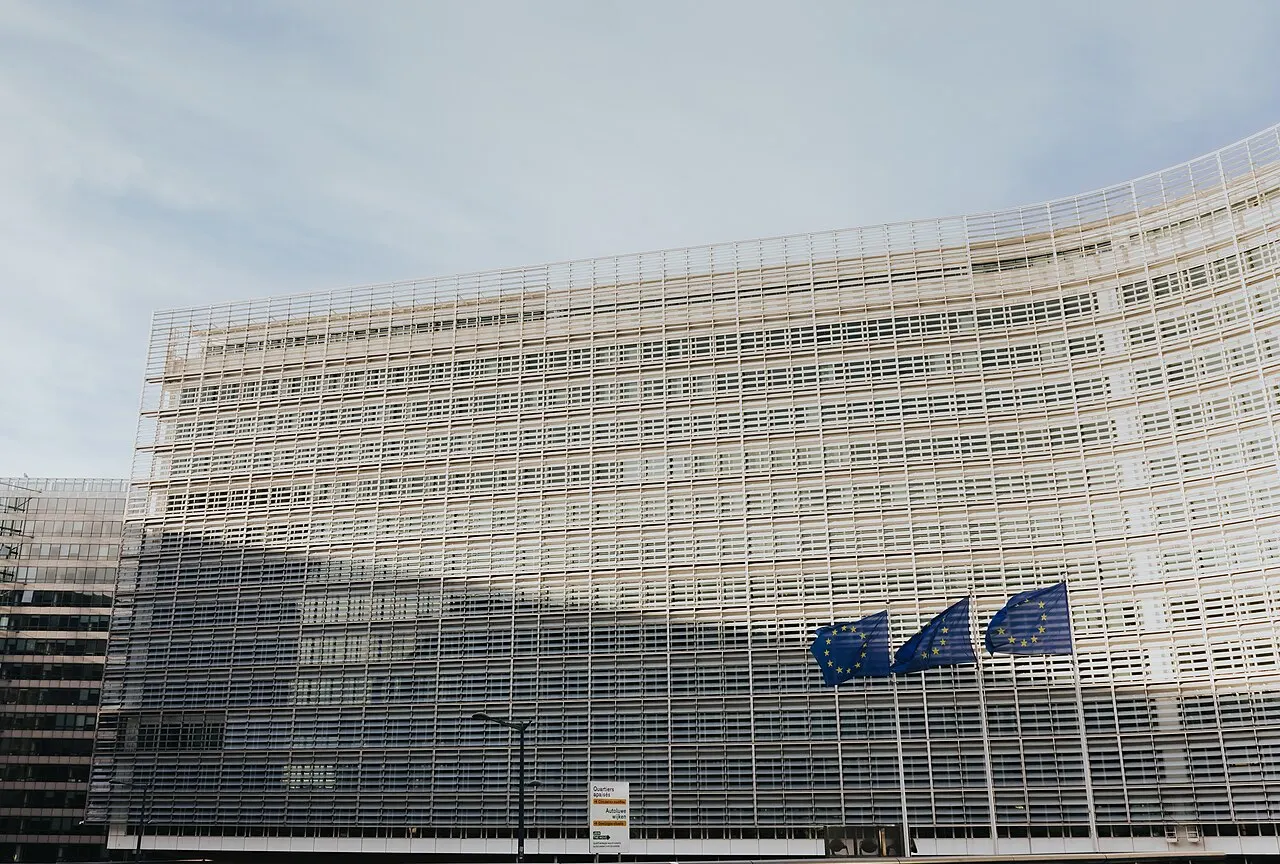
OpenAI announced on October 16, 2026 that it will start embedding an invisible watermark in eligible text produced by ChatGPT and Codex in the European Union. The company framed the change as part of its compliance with transparency obligations in the EU's AI Act, and said it will roll out over the coming weeks to eligible users on every ChatGPT and Codex plan in the bloc.
Text watermarking will not be switched on globally by default at launch, OpenAI said. API customers anywhere, however, have been able to opt in for select models since October 5.
What the law requires
Article 50(2) of the AI Act obliges providers of generative AI systems to mark synthetic or manipulated content, text included, in a machine-readable way so it can be detected. The European Commission says such measures should be effective, interoperable, robust and reliable as far as technically feasible. The obligations have applied since August 2, 2026. The law does not mandate watermarks specifically, and the Commission has drawn up a voluntary Code of Practice; its first section, on marking and detection, has been signed by Anthropic, Google, Meta, Microsoft, Mistral and OpenAI.
According to a technical paper OpenAI released, textGrain does not insert hidden characters or extra tokens. Instead, the model nudges its word choices during generation using a secret key and the preceding context, leaving a statistical pattern that a detector can later search for.
Clear limits on detection
OpenAI reported that, at a target false-positive rate of 1%, its detector found the watermark in roughly 80% of 200-token psychology passages and about 95% of 400-token ones. Results were far weaker for mathematics, where wording is less flexible. Edits also erode the signal: swapping 10% of words for synonyms in 400-token passages cut detection from about 92% to 66%, and swapping 25% brought it down to around 17%.
Citing the risk of false positives and missed marks, OpenAI will initially limit the detector to approved researchers and expert organisations. It will only report whether an OpenAI watermark is present, without identifying users or exposing prompts and conversations. The company stressed that the mark is a provenance signal, not proof of authorship: it cannot measure human input, establish ownership or verify accuracy, and a missing watermark does not mean a person wrote the text, since short, edited, translated or third-party output may evade detection.
OpenAI plans to release textGrain as open source. For images and audio it already relies on C2PA-based Content Credentials and SynthID watermarks, and it said no single provenance method is sufficient on its own.
Comments
No comments yet. Start the discussion or ask a question.
Related

Iowa, Kansas, Arizona and five other states have filed suits accusing OpenAI of misleading young users and parents about ChatGPT's dangers.

A European Commission draft opened for consultation on 12 October 2026 would let investigative steps restart the AI Office's five-year limitation period for fines.

China has unveiled a draft plan to ban or restrict exports of 40 key technologies in artificial intelligence, biomedicine and photovoltaics.