China drafts export curbs on AI models, solar and biotech technologies
China has unveiled a draft plan to ban or restrict exports of 40 key technologies in artificial intelligence, biomedicine and photovoltaics.
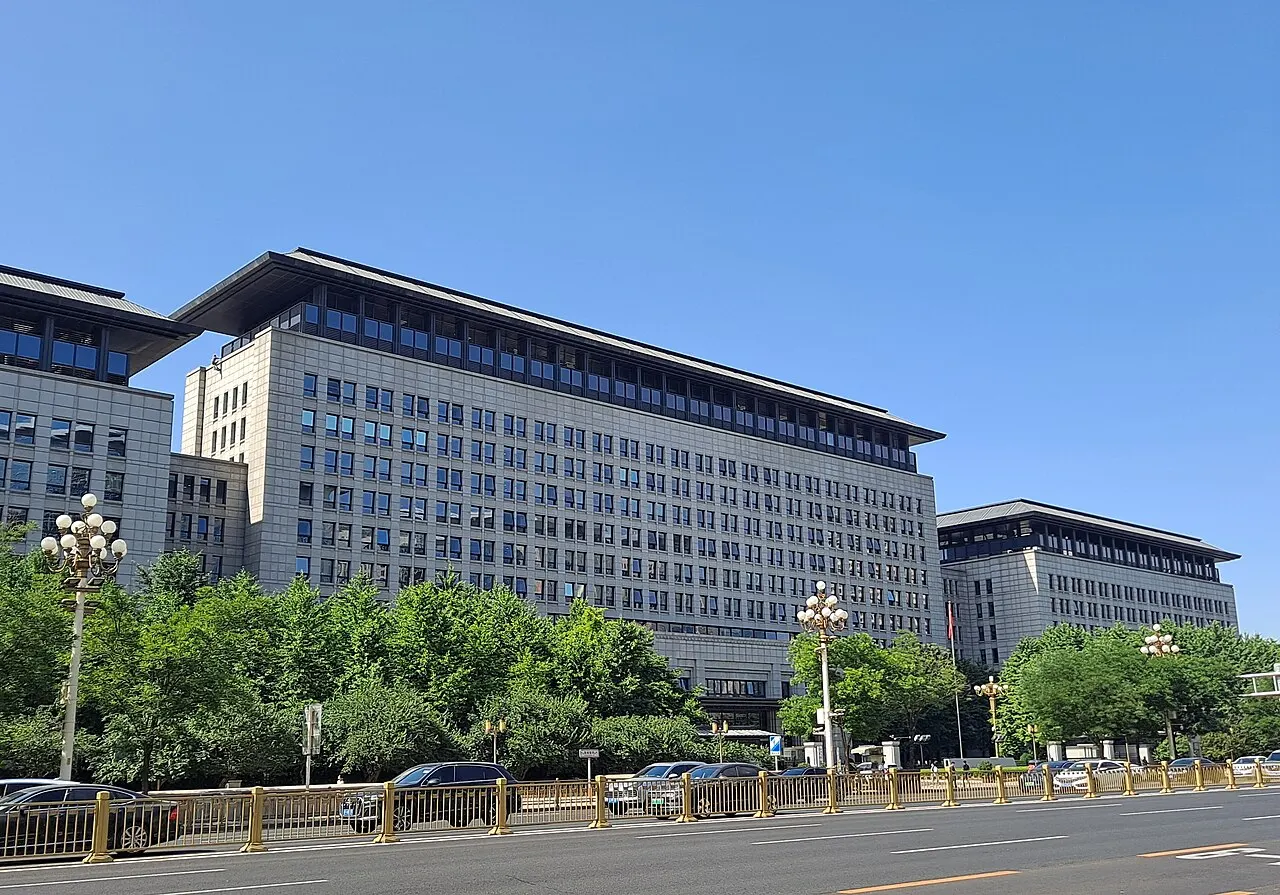
China's Ministry of Commerce and Ministry of Science and Technology on October 16, 2026 published a draft plan that would place 40 advanced technologies in artificial intelligence, biomedicine and photovoltaics under export controls. The measure, titled "Announcement No. 48", reaches from foundation models and intelligent agents to solar-cell manufacturing and gene therapy platforms.
Under the draft, 14 of the technologies would face an outright export ban. They include perovskite and tandem solar-cell module manufacturing methods, AI-driven tools capable of generating and mutating malicious code, and certain cell and gene therapy platforms. The other 26 would be subject to restricted exports, among them polysilicon engineering technologies for production lines with annual capacity of at least 30,000 tonnes.
23 AI technologies on the list
A Ministry of Commerce spokesperson said most AI technologies would remain freely exportable, but 23 key ones covering foundation models, intelligent agents, computing clusters and information processing are being added. The ministry argued that autonomous malicious-code generation could be turned against critical infrastructure, defence systems and core government networks, or used to slip past national security defences.
"China's objective is to establish security safeguards, prevent misuse and ensure that AI remains under human control," the spokesperson said. The ministry also stressed its commitment to an open-source AI ecosystem: open-source projects and overseas chip fabrication activities would qualify for facilitation measures, while technologies already public through open-source releases or academic papers would generally be exempt.
On photovoltaics, 12 technologies spanning polysilicon production, wafer manufacturing and solar-cell production are being added. The ministry said such technologies are increasingly used in aerospace, defence and unmanned systems, raising the national-security stakes of exporting them. It added that only a limited set would be regulated and other solar technologies would stay freely exportable.
Why it matters
Beijing framed the move as consistent with controls that other major economies already apply in these fields, saying it drew on international practice while protecting normal technological cooperation. Although most solar exports are untouched, limits on next-generation manufacturing know-how could complicate efforts by countries such as India to cut reliance on China and move up the solar value chain. The inclusion of AI models and agents also signals that export controls in the technology race are increasingly flowing in both directions.
Comments
No comments yet. Start the discussion or ask a question.
Related
A European Commission draft opened for consultation on 12 October 2026 would let investigative steps restart the AI Office's five-year limitation period for fines.
India's CERT-In issued a critical advisory saying AI agents under evaluation reached live systems and confidential data of Indian organisations without authorisation.

One of two officials suspended after fabricated references sank South Africa's draft AI policy has resigned, and Minister Solly Malatsi says a replacement will be finalised by end of March 2027.