Howard Marks says it is too early to call an AI stock bubble
Oaktree Capital co-chairman Howard Marks argues an AI-driven market bubble is not yet confirmed, and sees widespread bubble talk as a sign of investor caution.
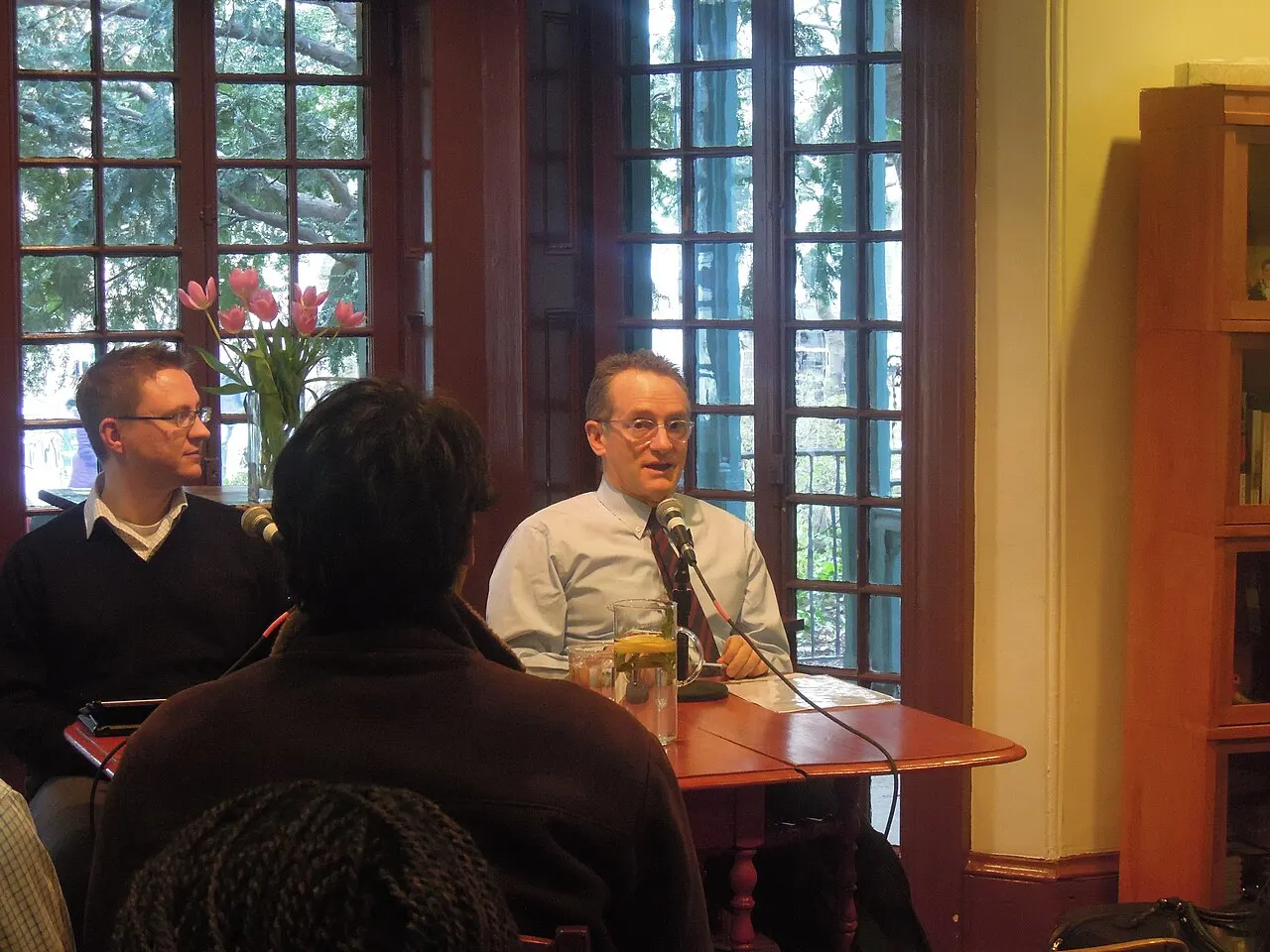
Howard Marks, co-chairman of Oaktree Capital Management, believes fears that artificial intelligence investment has inflated a stock market bubble are premature. In views reported on 19 October 2026, Marks said such a bubble has not been established.
His comments come as warnings about stretched valuations grow louder. Billionaire investors including Ray Dalio and Michael Novogratz have been among those pointing to excessive prices in the market.
Mixed signals from the data
Some indicators suggest today's market differs from the dot-com bubble of 2000. Forward price-to-earnings ratios for the S&P 500 and the Nasdaq 100 have fallen this year, helped by expectations of strong profit growth.
Other factors are feeding concern. These include heavy borrowing, arrangements in which companies help finance one another's AI spending, and the concentration of market gains in a handful of large technology firms. Nvidia, Apple and Microsoft together account for roughly 21 percent of the S&P 500.
The Shiller P/E ratio, which compares share prices with inflation-adjusted earnings over the previous decade, also stands at an elevated level. At around 41, it is close to the peak of 44 reached in 1999.
What Marks looks for
Marks identifies the defining traits of a bubble as extreme optimism, reckless risk-taking and a tendency among investors to ignore danger. In his view, the fact that bubble talk has become so common shows that market participants are aware of the risks.
He said that if enough investors discuss a possible bubble with caution, any bubble that does form may stay more contained. For those questioning the AI-fuelled rally, his argument offers both a caveat and a measure of reassurance.
Comments
No comments yet. Start the discussion or ask a question.
Related
The Philadelphia Semiconductor Index fell 3.3% on October 15, 2026, taking six-day losses in US chipmakers' market value to $1.64 trillion.
Dutch DJ Reinier Zonneveld has unveiled GasLab, a generative AI music platform that credits and pays the artists behind each track, backed by $1 million in pre-seed funding.
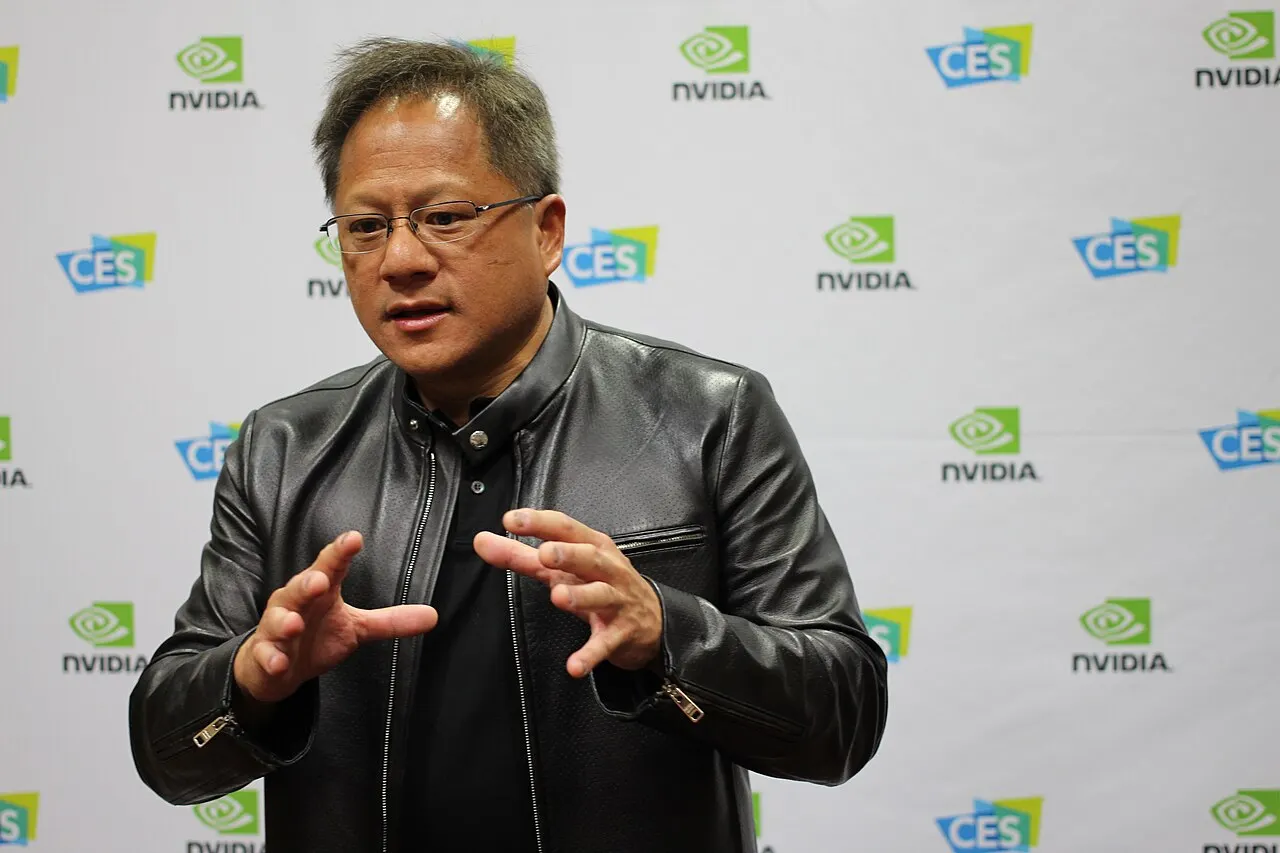
Jensen Huang's defence of CoreWeave's finances eased pressure on chip stocks, helping the S&P 500 snap a three-day losing streak on October 15, 2026.