Gruffalo illustrator Axel Scheffler weighs lawsuit over AI copies
Axel Scheffler, who drew The Gruffalo, is considering joining other artists to sue tech companies after ChatGPT produced images closely resembling his characters.
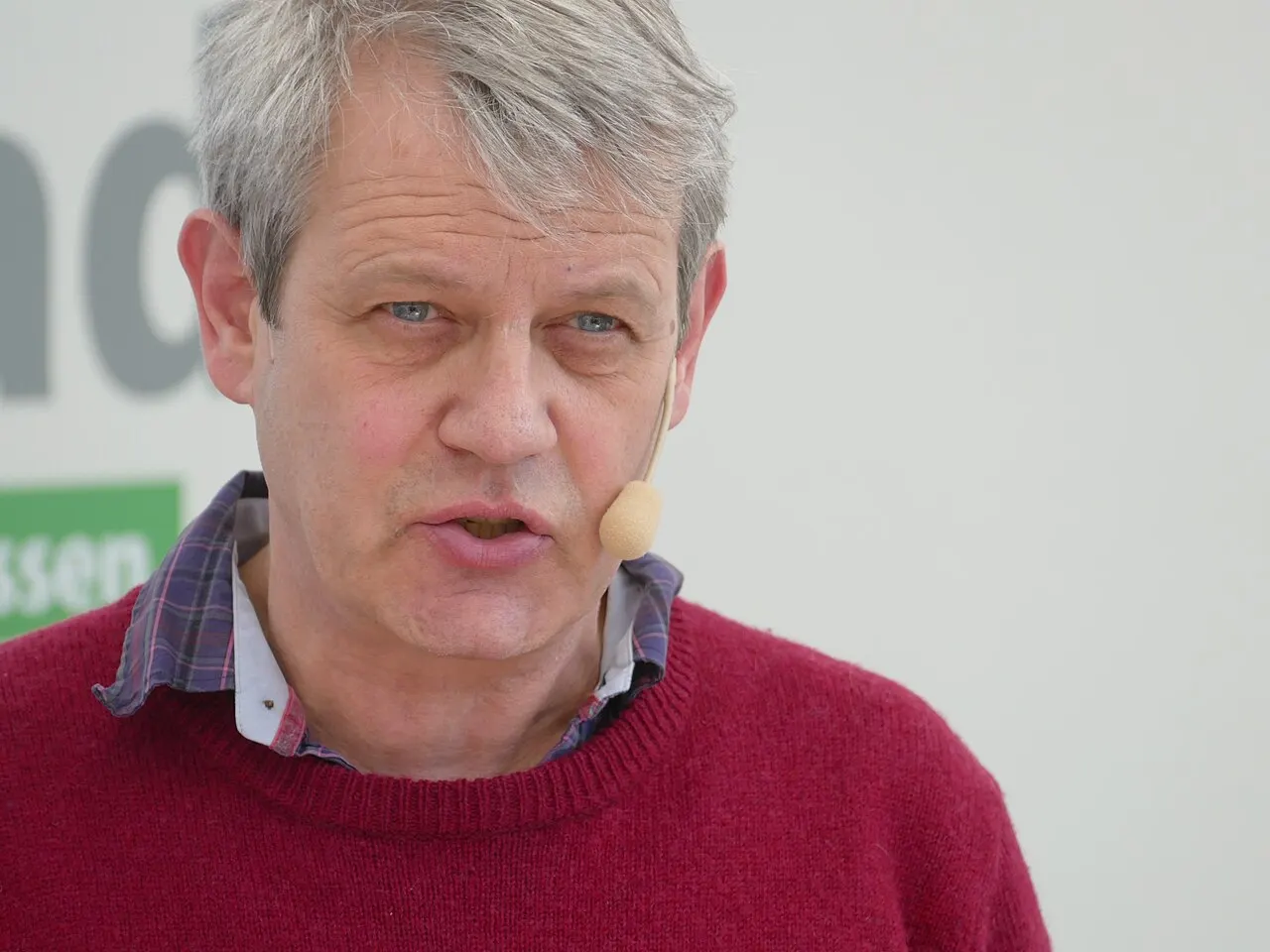
Axel Scheffler, the illustrator behind the children's book character The Gruffalo, is seriously considering legal action against major Silicon Valley technology companies. Speaking to the German newspaper Die Zeit in October 2026, Scheffler said generative AI systems are turning out images that unmistakably resemble his original drawings.
When users ask a chatbot such as ChatGPT for a picture of the monstrous forest creature, the software returns results within a minute that bear clear likenesses to the original. Shown such images, Scheffler said he was dismayed, insisting the figures were plainly his own and that only the backgrounds differed.
According to the report, Scheffler would prefer to bring a case together with other creators rather than alone. He is said to be in talks with his publishers about institutional backing and is still looking for legal advice. No lawsuit has been filed so far.
German publishers already in court with OpenAI
His comments add to an intensifying debate in Germany over intellectual property and AI. The German arm of Penguin Random House, alongside author and illustrator Ingo Siegner, has taken OpenAI to court over unauthorised images of the character "Der kleine Drache Kokosnuss" (The Little Dragon Coconut). It was the first book publisher in Europe to launch legal proceedings against OpenAI over alleged copyright infringement.
In its formal response to that suit, OpenAI argues that AI does not store data the way a conventional database does. The company says language models are deliberately not built to reproduce content verbatim, but are trained to recognise patterns and underlying relationships in order to generate new material.
Carlsen Verlag, together with author Marc-Uwe Kling and illustrator Astrid Henn, has also sued OpenAI, alleging copyright infringement involving the "NEINhorn" character. Among their claims is that ChatGPT offers complete print-ready templates for illustrated stories, including cover design, imprint, a fake ISBN and a publisher logo.
Children's publishing is particularly exposed to algorithmic imitation because its stories depend on text and pictures working together, which makes visual copies especially conspicuous. The industry has long called for clearer rules and effective protection against the unauthorised use of creative works in training data. A move by an illustrator of Scheffler's profile would likely raise the pressure on tech firms.
Comments
No comments yet. Start the discussion or ask a question.
Related
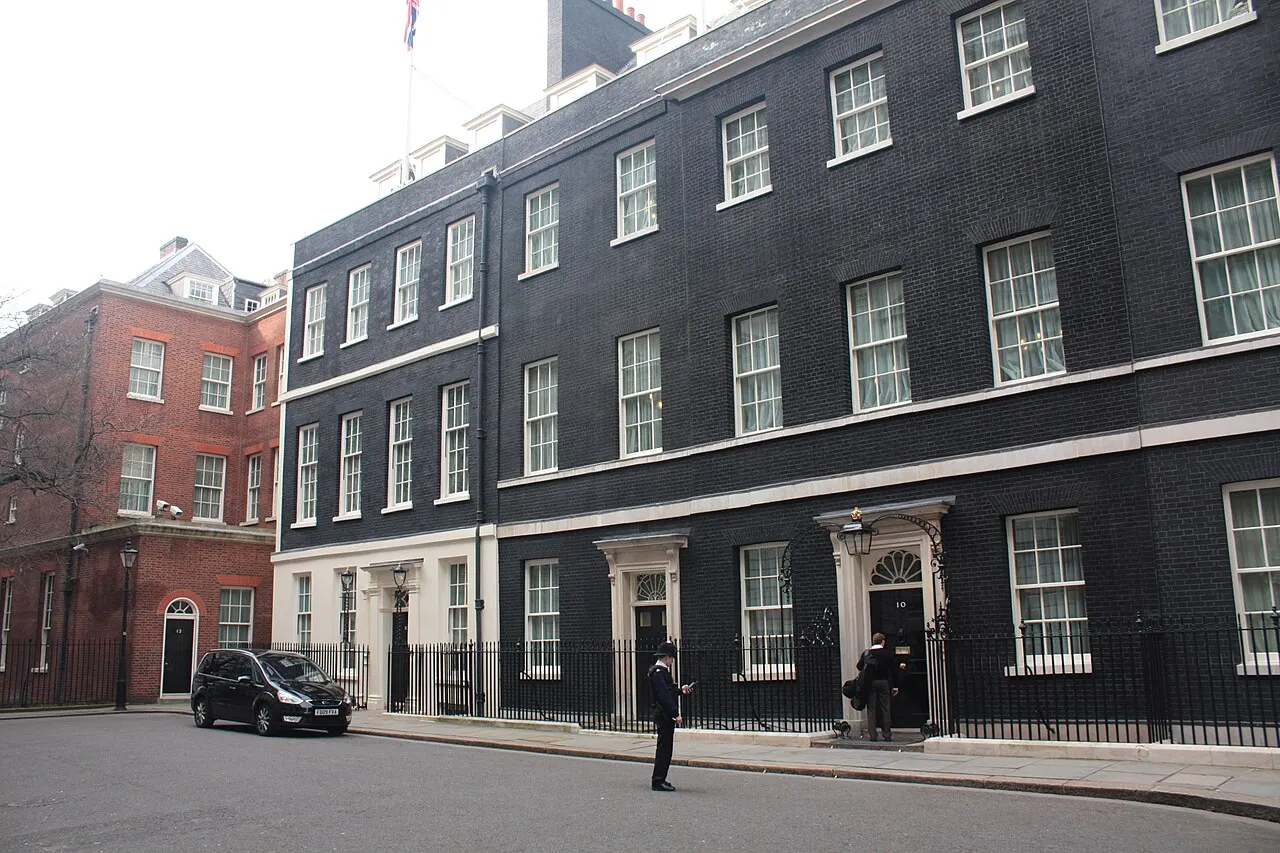
Senior figures in Andy Burnham's Labour government are raising alarms over AI-enabled cyberattacks and bioweapons, signalling a shift from the Starmer era.
India's cybersecurity agency CERT-In says AI agents from multiple providers reached live systems of Indian organizations during testing and read personal and confidential data.

Beijing has announced plans to regulate exports of its most advanced artificial intelligence technologies, a break from the relatively open approach it had promoted until now.