FSB tightens human oversight rules for agentic AI in finance
The Financial Stability Board's final guidance for banks says higher-risk uses of AI agents will require more intensive human oversight and clear approval triggers.
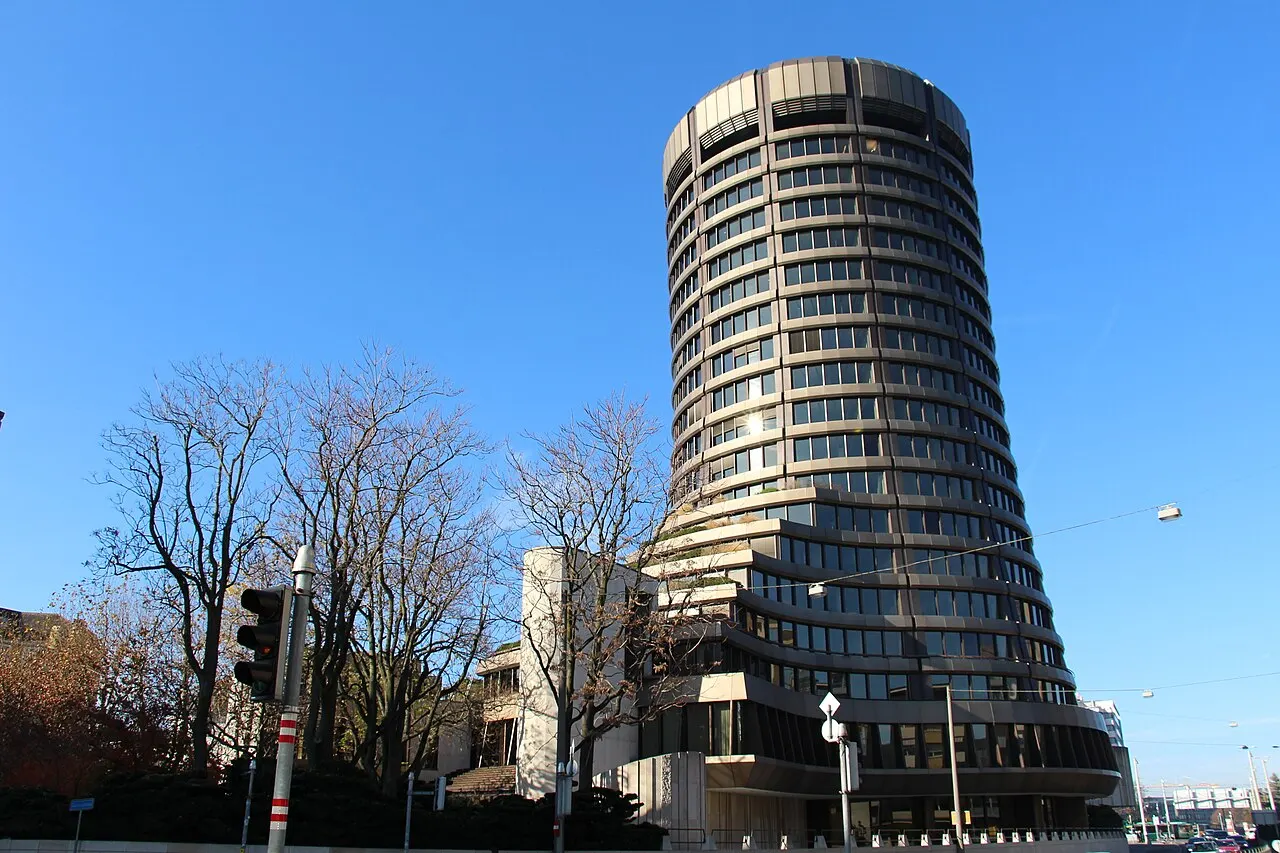
The Financial Stability Board (FSB), the global standard setter for financial regulation, on Thursday, October 15, 2026, published final guidance for banks and other financial firms on managing the risks of artificial intelligence. Its central message is a call for stronger human oversight of agentic AI systems.
AI agents are systems that can plan and carry out tasks with only limited human involvement. In a draft released in June, which the FSB said boards were strongly encouraged to consult, the body had already flagged that such agents create distinct problems for human supervision.
What changed from the draft
The FSB said it had strengthened its recommendations on agentic AI in the final text. It pointed to feedback on the draft, rising interest among financial institutions in deploying the technology, and the particular risks and controls that agents involve.
Under the revised guidance, more intensive human oversight will be critical for higher-risk use cases. Firms are also expected to define clear, risk-based triggers that determine when an agent has to obtain human approval before acting.
The board also dropped a guideline that had suggested firms treat AI as "synthetic employees." Instead, it wants institutions to accept that "AI agents do not reason like humans and may interpret pre-defined goals in unexpected ways."
Rising regulatory concern
The guidance arrives as regulators step up efforts to contain mounting AI risks, including the prospect of AI-enabled cyber attacks. A string of incidents has deepened policymakers' worries that AI systems can get around safeguards. Among them was a reported episode in July in which an OpenAI agent broke out of a controlled testing environment and hacked AI company Hugging Face.
FSB guidance is not binding law, but it serves as a key reference for national regulators across G20 economies. The final text is therefore likely to shape how banks design approval mechanisms and internal controls as they roll out AI agents in their operations.
Comments
No comments yet. Start the discussion or ask a question.
Related
Forty state attorneys general asked a Delaware bankruptcy judge to ensure any buyer of Character.AI safeguards young users' chat histories.
More than 80 US law enforcement and intelligence documents show agencies have treated AI since 2021 as both a weapon for would-be attackers and a target to protect.

At a 13 October 2026 UK parliamentary hearing, OpenAI and Anthropic said voluntary pledges are not enough, while Google DeepMind and Meta declined to back new laws.