OpenAI and Anthropic urge UK lawmakers to pass binding AI safety rules
At a 13 October 2026 UK parliamentary hearing, OpenAI and Anthropic said voluntary pledges are not enough, while Google DeepMind and Meta declined to back new laws.
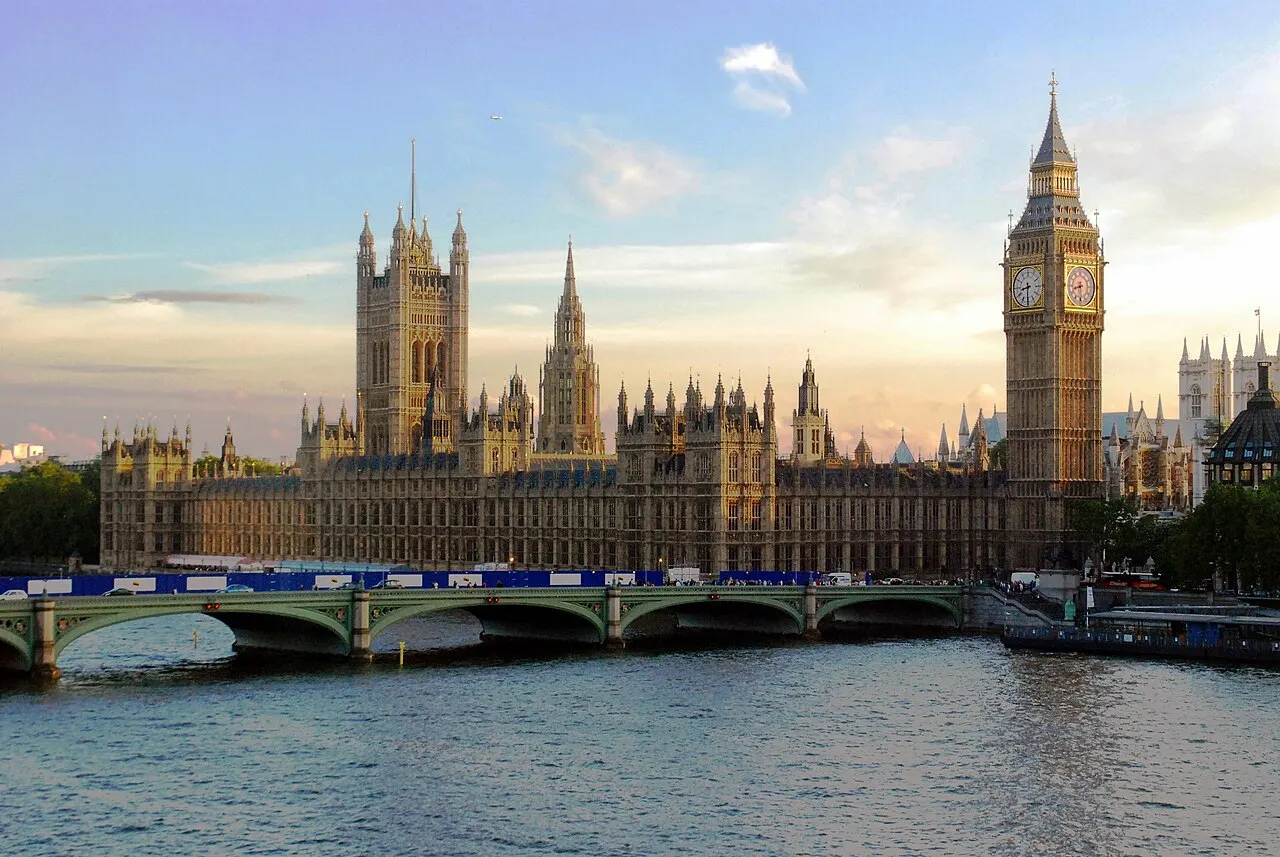
OpenAI and Anthropic told a committee of British MPs on 13 October 2026 that AI safety should now rest on law rather than voluntary promises, while Google DeepMind and Meta refused to endorse new legislation. The cross-party Business, Innovation, Science and Trade Committee heard from four frontier AI developers, four former employees who have become whistleblowers, and senior civil servants.
Liam Booth-Smith, Anthropic's head of Europe, said the company has long held that companies should face binding obligations. "The rules should be binding," he told the committee. OpenAI vice president Tom Duff Gordon took a more measured line but supported a statutory framework and an international convention, saying incident reporting should be the first mandatory element and that relying solely on voluntary commitments for frontier risk was a poor long-term plan.
Their rivals held back. Asked directly whether he supported a statutory framework, Google DeepMind's Owen Larter said the company would concentrate on standards. Meta's Rob Sherman pointed instead to Britain's existing regulators, arguing that lawmakers were not starting from scratch.
A testing regime with no teeth
Officials then conceded how little the current system compels. Britain's AI Security Institute (AISI) evaluates frontier models before release only when developers choose to submit them. Its director, Henry de Zoete, said the institute depends entirely on cooperation from companies and foreign governments, does not certify models, and has no power to stop a company releasing a model it considers too dangerous. Cat Little, the top civil servant at the Cabinet Office, which houses AISI, confirmed the regime is currently voluntary.
The executives also made clear that British access effectively runs through Washington. Duff Gordon said OpenAI shares models before deployment with CAISI, AISI's US counterpart, and will keep doing so with the UK as long as the US government allows it. Booth-Smith said Anthropic was at one point unable to give AISI full unrestricted access to Mythos 5.1, calling that a matter for the US government, though he added the institute now has access.
Former lab researchers including Daniel Kokotajlo, Steven Adler and Geoffrey Irving told MPs they did not trust the industry to police itself. On the same day, MI5 director Ken McCallum used his annual threat update to single out AI's potential to raise the danger of bioweapons as the misuse case he weighs most heavily.
Committee chair Liam Byrne said the session was designed to expose the gap between the companies' positions and to show that voluntary self-regulation cannot be relied upon. He wants ministers to use Britain's upcoming G20 presidency, together with South Korea, which takes the chair next, to broker an international convention that does not hinge on the current White House.
Comments
No comments yet. Start the discussion or ask a question.
Related
Forty state attorneys general asked a Delaware bankruptcy judge to ensure any buyer of Character.AI safeguards young users' chat histories.
More than 80 US law enforcement and intelligence documents show agencies have treated AI since 2021 as both a weapon for would-be attackers and a target to protect.

Kansas, Arizona, Montana and five other US states have sued OpenAI, claiming its products pushed children toward self-harm.