FBI files show AI is both a terror tool and a target for US extremists
More than 80 US law enforcement and intelligence documents show agencies have treated AI since 2021 as both a weapon for would-be attackers and a target to protect.
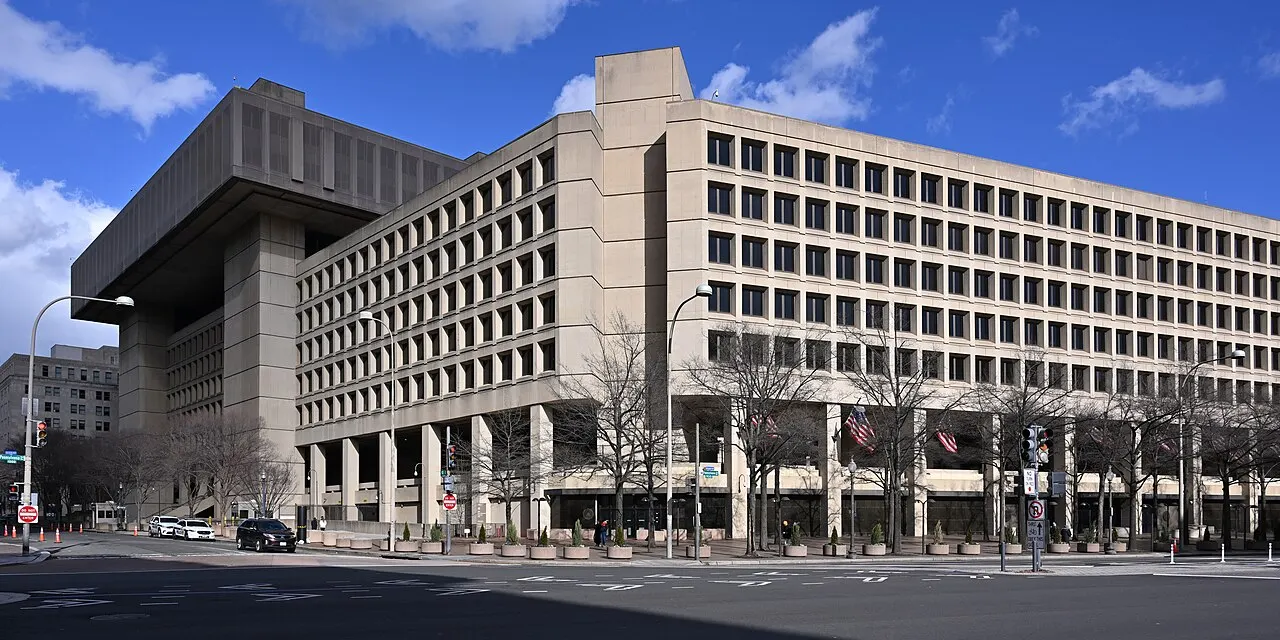
US law enforcement agencies have spent years treating artificial intelligence as both an instrument and a target of potential terrorists, according to more than 80 internal documents circulated between 2021 and 2026. The files, obtained by the government transparency nonprofit Property of the People and reported on 14 October 2026, include material from the FBI, the Department of Homeland Security (DHS) and the New York City police department (NYPD).
One memo, distributed by the FBI's Los Angeles division in May 2026, concerns the May 2025 car bombing outside a Palm Springs fertility clinic. The 25-year-old attacker killed himself and injured four people. According to the memo, he had asked an unnamed generative AI tool for bomb-making instructions, and the tool did not flag the request.
Safeguards described as inadequate
Officers wrote that the private nature of the chatbot conversation kept police from being alerted. The bureau expects more of the same: "Threat actors will likely increase their use of GenAI tools for attack planning," the memo warned. It added that built-in protections fall short because malicious users rely on jailbreaking methods to extract dangerous information.
Other documents examine how extremists might use AI to plan attacks and recruit, and how the technology could generate deepfakes, election misinformation and child sexual abuse material. Agencies also discussed adopting AI for policing tasks such as social media monitoring while handling public unease about those tools.
Watching anti-datacenter sentiment
A second strand of concern involves extremists targeting technology infrastructure. Fusion centers across the country flagged posts on social platforms, messaging apps and forums such as 4chan vowing to destroy datacenters. An October 2021 joint analysis by DHS, the National Counterterrorism Center and the FBI cited Seth Pendley, a far-right militia member sentenced to 10 years for plotting to bomb an Amazon Web Services facility.
DHS said it assesses that malicious actors may use AI to amplify existing harms, including cyber activity, fraud and violent extremist propaganda. The NYPD said its AI threat report summarised "AI 2027", a widely discussed forecast by several AI researchers. The FBI did not answer detailed questions and referred instead to a general fact sheet on its use of the technology.
The records highlight a gap between AI executives, who tend to speak publicly about long-term catastrophic risks, and police officers dealing with present-day misuse. They are likely to sharpen debate over how effective model safeguards really are and how far authorities should go in monitoring online opposition to AI.
Comments
No comments yet. Start the discussion or ask a question.
Related
Forty state attorneys general asked a Delaware bankruptcy judge to ensure any buyer of Character.AI safeguards young users' chat histories.
At a 13 October 2026 UK parliamentary hearing, OpenAI and Anthropic said voluntary pledges are not enough, while Google DeepMind and Meta declined to back new laws.

Kansas, Arizona, Montana and five other US states have sued OpenAI, claiming its products pushed children toward self-harm.