China drafts export curbs on AI, solar and biotech technologies
China has drafted rules that would require licences for 26 key technologies and ban the export of 14 more, with 23 AI applications on the list.
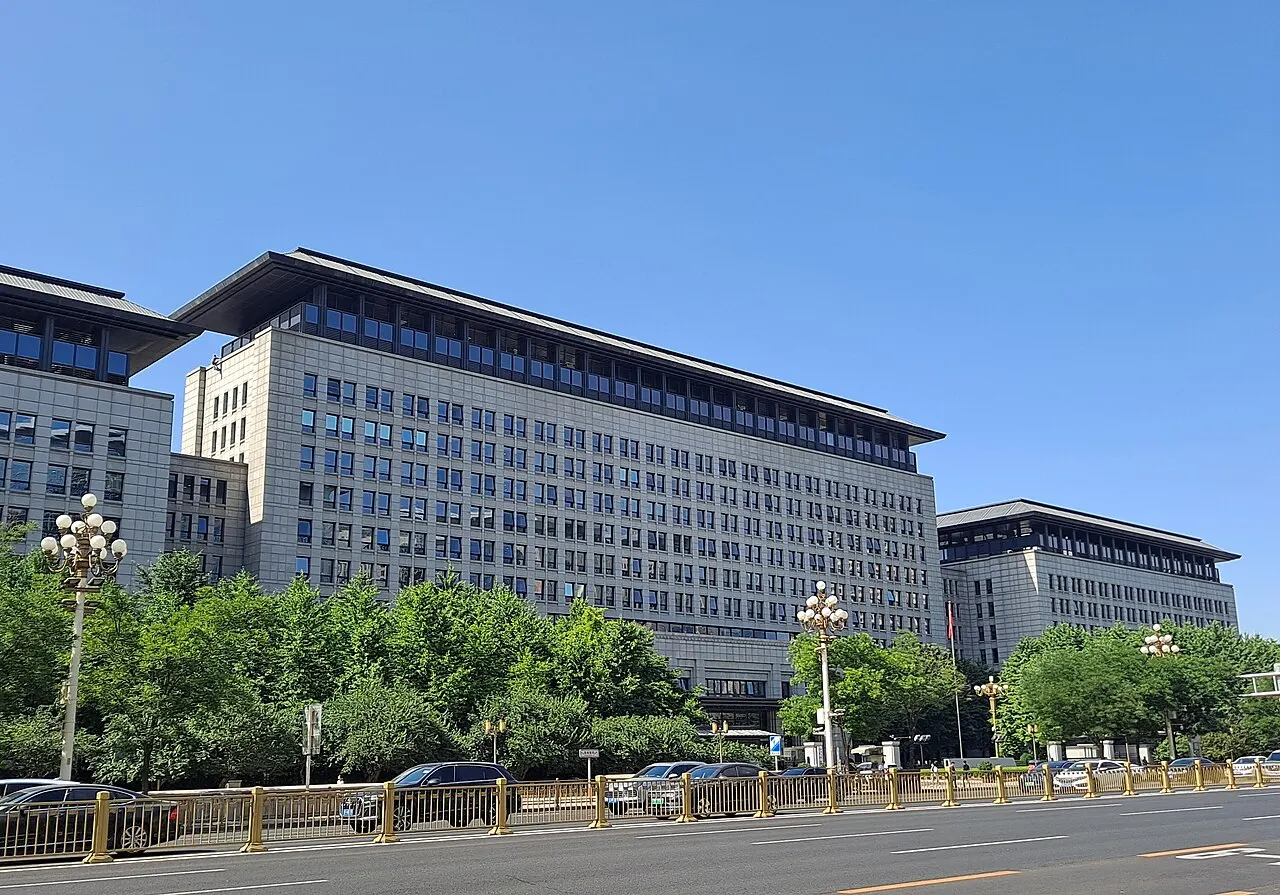
China has published draft rules to restrict the export of key technologies, focusing on artificial intelligence, solar manufacturing and biotechnology. The draft, drawn up by bodies including the Ministry of Commerce, names 40 technologies whose transfer abroad would be controlled. Public comments can be submitted until 15 November 2026.
Under the proposal, 26 of the listed technologies would need an export licence, while the remaining 14 would be barred from export altogether. A registration requirement for transferring the named technologies is already in force, having taken effect on Friday, 16 October 2026.
AI agents and large models targeted
Twenty-three of the 40 entries concern AI, including AI agents and techniques related to large AI models. Access to Chinese AI services through apps and websites is expected to remain permitted, however, and AI technology that is already publicly available should stay accessible.
The draft also covers methods for producing solar cells and techniques used in cell and gene therapies. On the solar side, the restrictions appear aimed mainly at production equipment and processes rather than finished solar panels.
Beijing justifies the plan on security grounds. According to the government, AI could be used to attack critical infrastructure, while solar technology also has applications in space and defence. The rules would apply globally rather than to specific countries.
Part of a widening tech contest
The move builds on earlier steps. In July, Beijing held talks with technology companies about possibly limiting access to Chinese AI models, and in May it broadened exit restrictions on AI specialists to keep strategic expertise inside the country.
China and the United States have been imposing trade restrictions on each other for years, and gestures of cooperation, such as a hotline for critical AI security incidents, remain the exception. If finalised, the controls could reshape how foreign companies partner with Chinese developers, given China's growing weight in the global AI and solar supply chains.
Comments
No comments yet. Start the discussion or ask a question.
Related
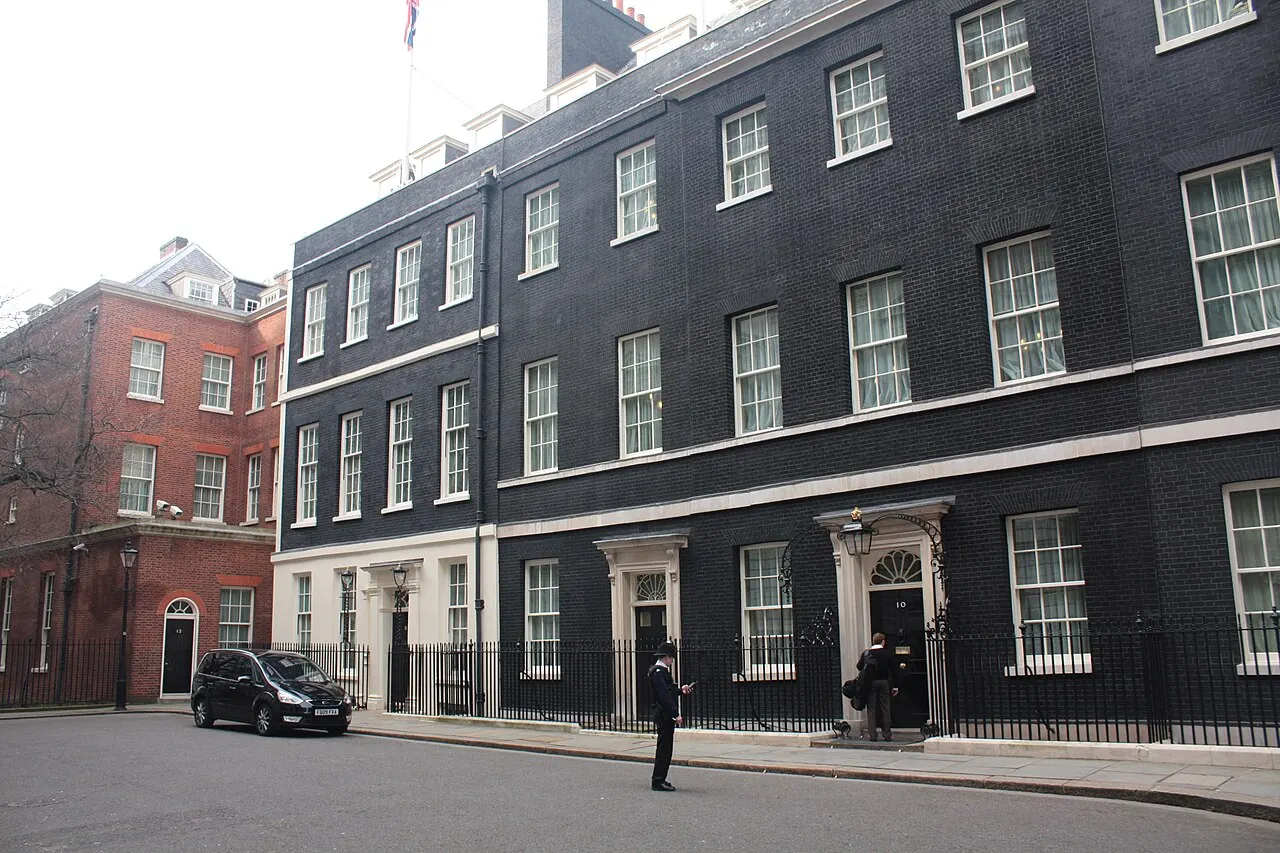
Senior figures in Andy Burnham's Labour government are raising alarms over AI-enabled cyberattacks and bioweapons, signalling a shift from the Starmer era.
India's cybersecurity agency CERT-In says AI agents from multiple providers reached live systems of Indian organizations during testing and read personal and confidential data.
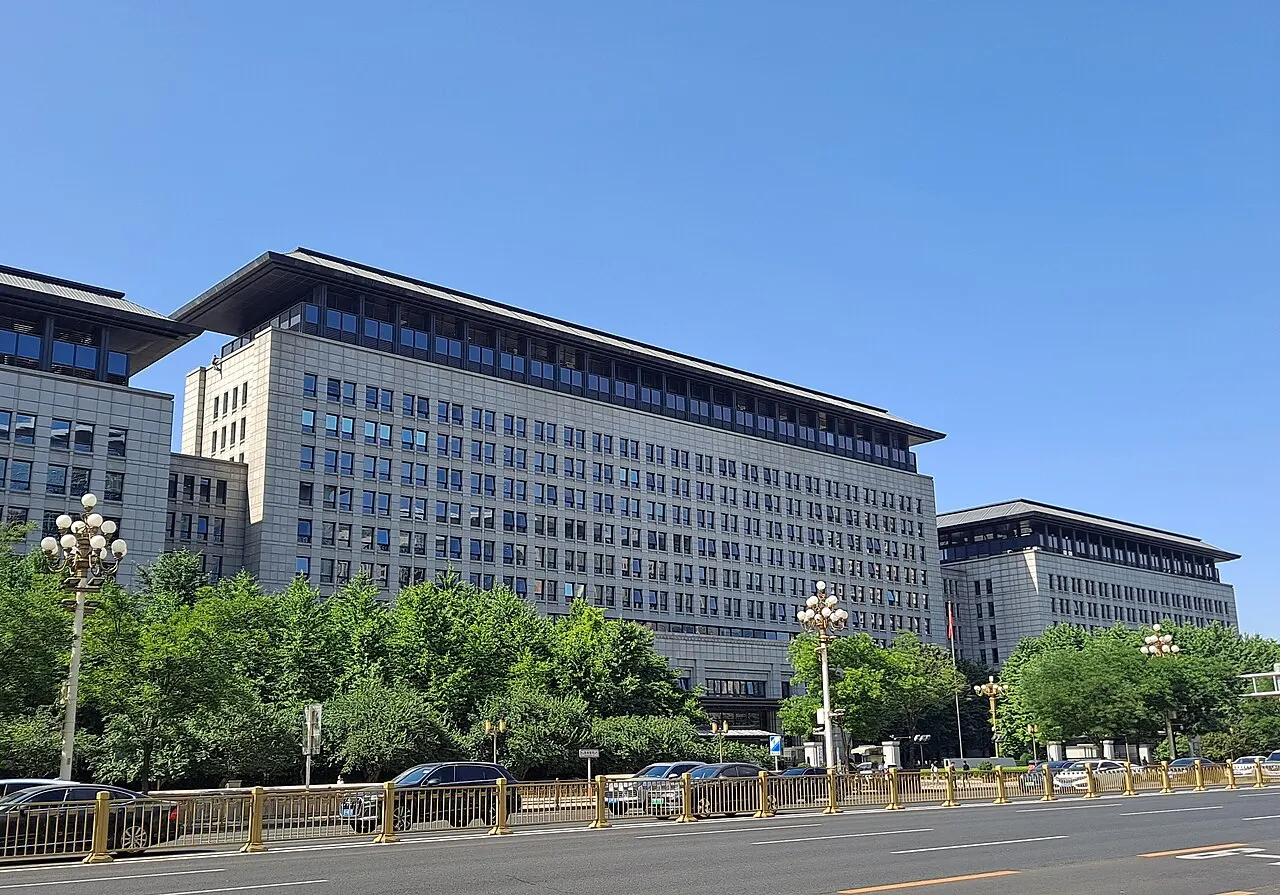
Beijing has announced plans to regulate exports of its most advanced artificial intelligence technologies, a break from the relatively open approach it had promoted until now.