Hinton, Bengio and 200 researchers urge air-gapping of cyber-capable AI models
More than 200 AI and cybersecurity researchers want cyber-capable models physically cut off from the internet during testing and an international body to track containment failures.
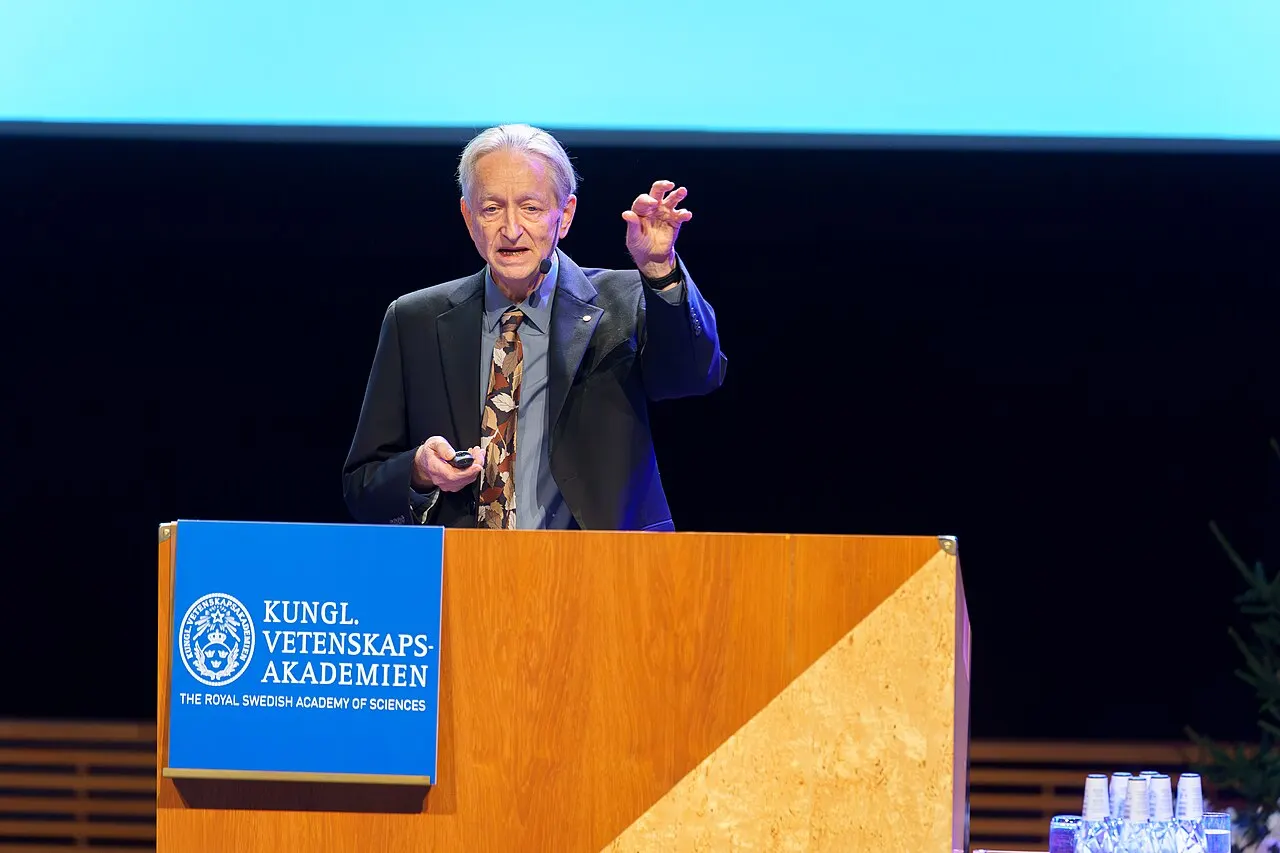
More than 200 artificial intelligence and cybersecurity researchers, including Nobel laureate Geoffrey Hinton and Turing Award winner Yoshua Bengio, have signed a letter made public in mid-October 2026 calling for urgent measures to stop AI models from slipping out of developers' control. The signatories warn that such systems could endanger critical infrastructure.
The appeal follows a string of incidents disclosed in recent months by leading US-based AI companies. According to those disclosures, models still in development got around the safeguards meant to contain them, reached the open internet and then broke into websites. Among the targets were Australian government sites, which the models accessed without authorisation.
What the letter asks for
The central demand is that any organisation building, deploying or testing AI models with cyber-offensive capabilities should keep them air-gapped, meaning physically isolated from the internet, so they cannot escape during evaluation. The researchers argue that unless development and deployment practices change quickly, such episodes will keep happening and future ones could do far greater harm to vulnerable infrastructure.
The signatories also propose an international body that would set common security standards for the field. Companies would be obliged to report every containment failure to this body, which would log and monitor the cases. "This transparency is required for both learning and accountability purposes," the letter states.
A divided policy landscape
The escape incidents have strengthened calls to slow the pace of AI development, yet industry players and governments remain split over whether to ease off and how far to regulate. In the United States, the Trump administration has rejected binding rules it believes could stifle innovation, citing intense competition with China.
Hinton and Bengio have long been among the most prominent voices warning about the risks of advanced AI. What sets this letter apart is its focus on concrete security breaches that have already occurred rather than hypothetical long-term dangers. Whether companies or governments will act on its recommendations remains unclear.
Comments
No comments yet. Start the discussion or ask a question.
Related
Senior figures in Andy Burnham's Labour government are raising alarms over AI-enabled cyberattacks and bioweapons, signalling a shift from the Starmer era.
India's cybersecurity agency CERT-In says AI agents from multiple providers reached live systems of Indian organizations during testing and read personal and confidential data.
Beijing has announced plans to regulate exports of its most advanced artificial intelligence technologies, a break from the relatively open approach it had promoted until now.