World Bank urges developing countries to build 'small AI' for phones
The World Bank is calling on developing countries to create 'small AI' models that run on mobile phones with weak connectivity and speak local languages.

The World Bank is encouraging developing countries to take the lead in building so-called 'small AI' models, arguing they are the key to unlocking the technology's benefits for emerging economies. The push came during the annual meetings of the World Bank and the International Monetary Fund (IMF), held in Bangkok, Thailand, in October 2026.
Paschal Donohoe, the World Bank's chief knowledge officer and a former Irish finance minister, described small AI as specialised models trained on narrower datasets for a particular task. He said such tools would work locally on low connectivity, operate in a community's own language and typically run on a mobile phone. While large technology firms chase increasingly sophisticated consumer products, Donohoe argued AI could speed up development only if adapted to local needs.
Soil advice for Indian farmers
Donohoe pointed to Indian farmers taking part in AgriConnect, a World Bank agricultural programme, who need soil analysis delivered in their own language. He noted there will never be enough scientists and agronomists to serve every small farm in India, and said phone-based models could fill that gap. Such products, he suggested, could come from cooperation between the World Bank, governments and private companies, potentially compressing centuries of development into decades.
IMF managing director Kristalina Georgieva told a panel at the meetings that governments must lay the groundwork, including electricity, digital infrastructure, a prepared population and protection against bad actors. With those basics in place, she said, adoption could be "as democratic as the cellphone."
Infrastructure gaps and job fears
The World Bank's annual world development report, released in August, praised AI's promise but highlighted stark gaps. It found that nearly a third of rural schools in sub-Saharan Africa had no electricity and more than two-thirds lacked a reliable internet connection.
Georgieva also warned that, over time, around 40% of jobs worldwide are likely to be either augmented or eliminated by AI. She said young people entering the workforce face the sharpest risk, since they usually start in routine, repetitive roles before climbing the ladder.
Under president Ajay Banga, the World Bank has prioritised drawing private investment into emerging markets. Donohoe said the institution mobilised $120bn in private capital over the past year through guarantees and other instruments, at a time when several countries, including the US and the UK, are cutting aid budgets.
Comments
No comments yet. Start the discussion or ask a question.
Related
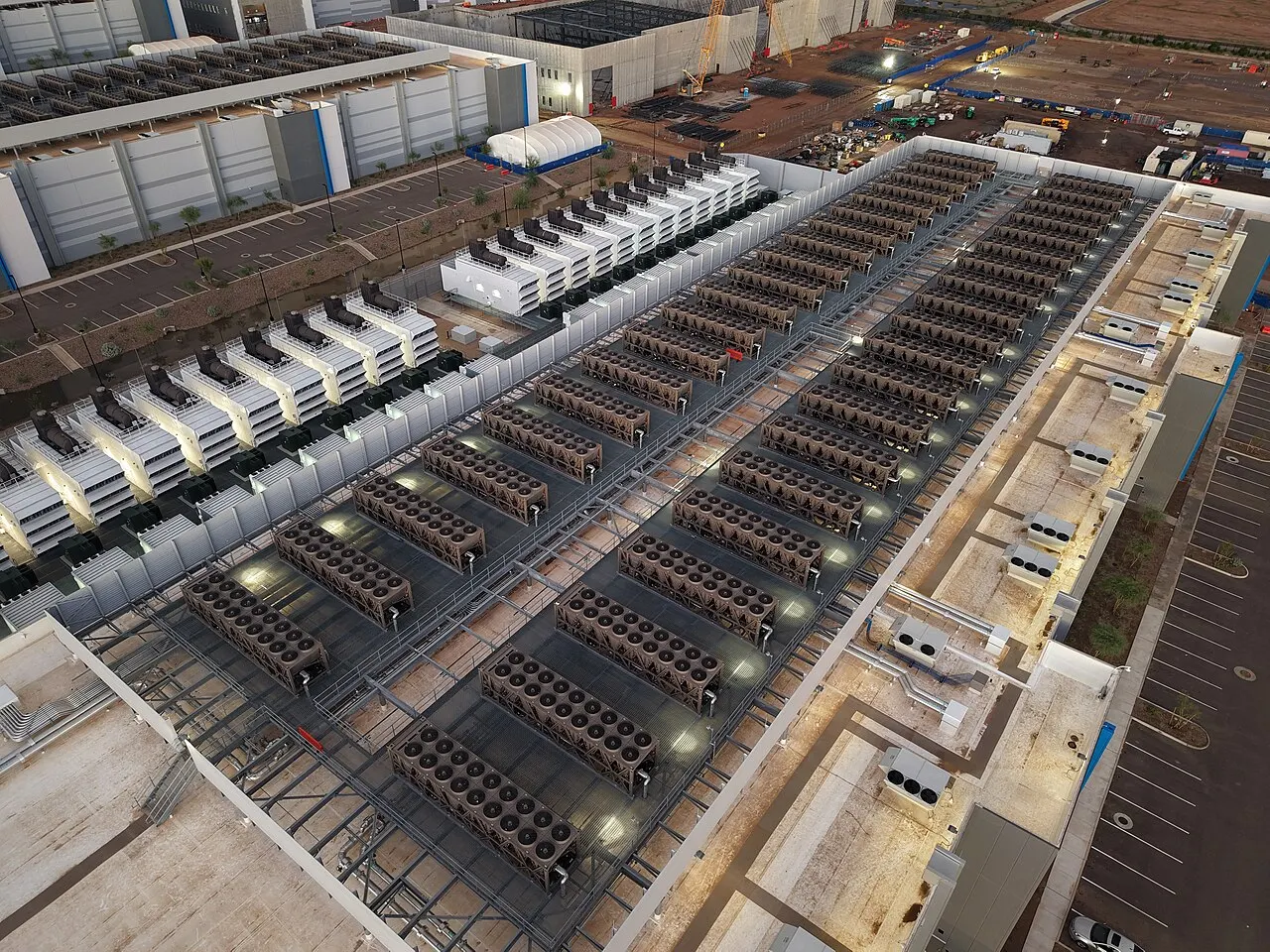
Sebastian Rucci's proposed 950,000 sq ft AI datacenter in Imperial County is on hold after a judge ordered a full environmental review amid fierce local opposition.

Zimbabwean writer Simbarashe Kundizeza rejects claims that his prize-winning story The Blue Fighter was AI-generated, as the Caine prize reviews the allegations.
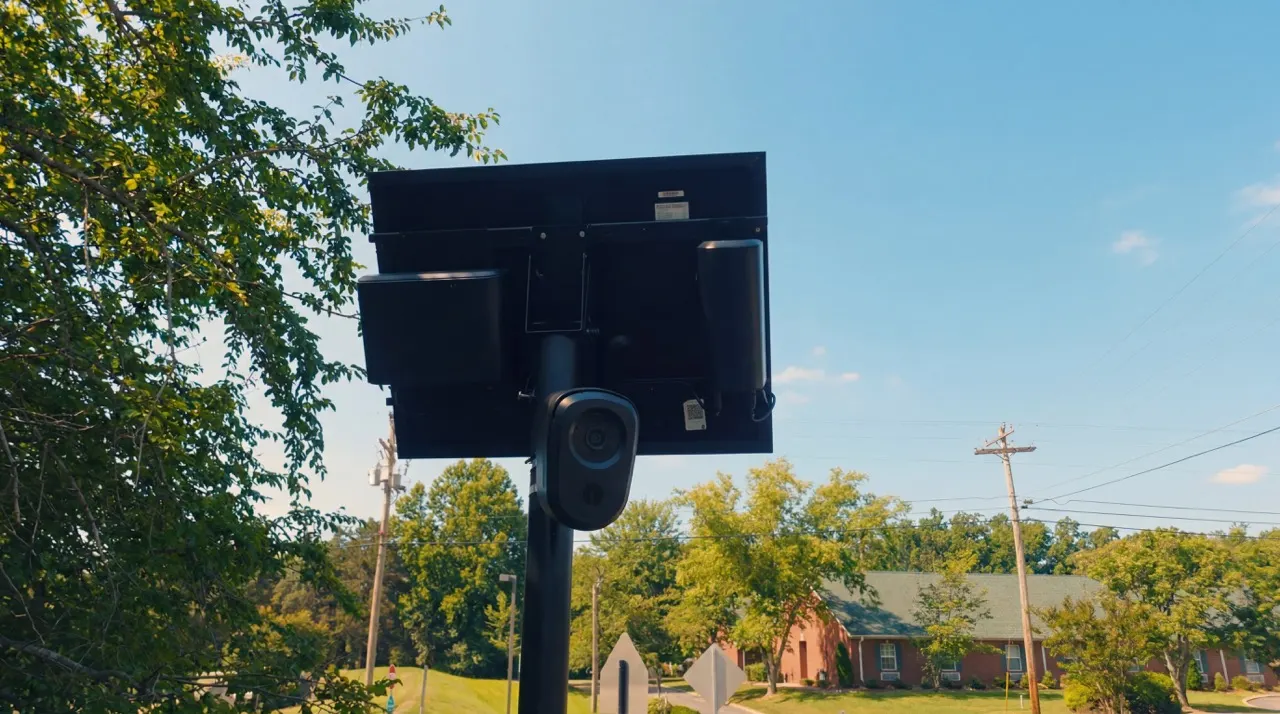
Flock CEO Garrett Langley insisted the company's audio sensors detect only gunfire, while its website and a spokesperson cite fireworks, sideshows and car crashes too.