Court halts plan for California's largest AI datacenter in Imperial County
Sebastian Rucci's proposed 950,000 sq ft AI datacenter in Imperial County is on hold after a judge ordered a full environmental review amid fierce local opposition.
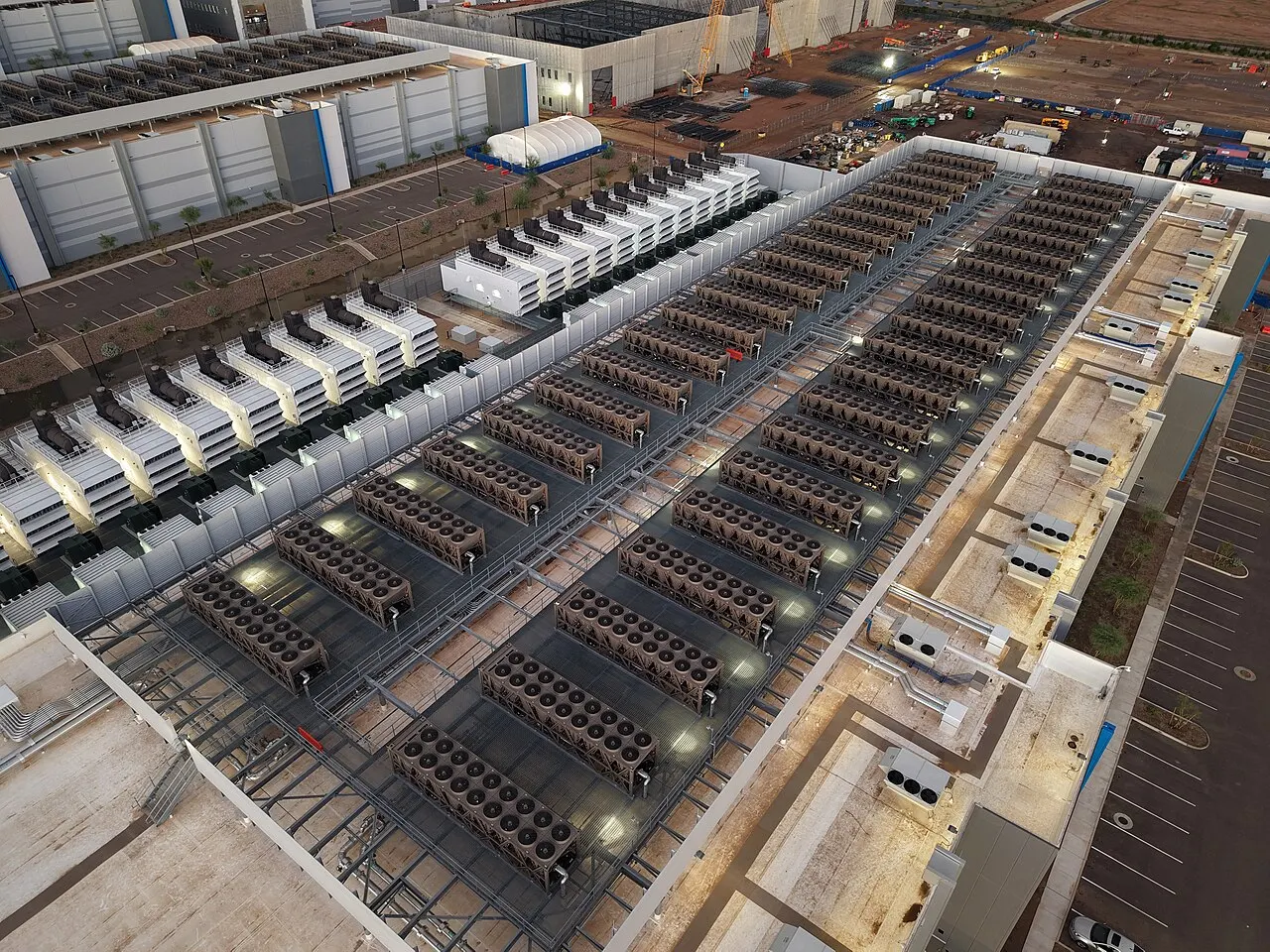
A plan to build California's largest artificial intelligence datacenter in Imperial County, just north of the Mexican border, has stalled. In September 2026, a county judge ruled that the project cannot proceed until it completes an extensive environmental review. The developer behind it is Sebastian Rucci, a 66-year-old lawyer and entrepreneur based in Huntington Beach.
Rucci picked a vacant plot in the Sonoran desert in late 2024, wedged between alfalfa fields and suburbs where summer temperatures often top 100F. The facility would cover roughly 950,000 square feet, about the size of 16 football fields. Rucci says he secured 330 megawatts of power through the local utility and has already put around $5m into the project.
Claims of Google interest
In emails to county agencies, Rucci said Google had shown interest in becoming the tenant, writing in July that the site could support training for the company's Gemini models. A Google spokesperson said the company is not involved in any datacenter project in Imperial County. Rucci said that response was understandable because no formal agreement exists.
Because the land is zoned industrial, Rucci had sought an exemption from the California Environmental Quality Act (CEQA), which would have let the project skip the state's environmental permitting process. The court ruling has, for now, closed that shortcut.
A community pushes back
Over the past year, more than six lawsuits have been filed, recall campaigns have targeted local officials who backed the project, and a temporary 45-day datacenter moratorium was approved. Residents of the area, which includes the city of Imperial with about 22,000 people, cite emissions, threats to rare desert wildlife, strain on the grid, noise and a shrinking water supply drawn from the Colorado River. Rucci disputes that the project would cause such harm. Francisco Leal, who lives across the street from the site, said the community views it as "a Trojan horse."
Michael Thomas, founder of datacenter tracker Cleanview, said major projects in California take about seven years on average, compared with roughly three in Texas. He noted a wave of new players like Rucci entering AI datacenter development nationwide, willing to shoulder risk to speed things up.
AI's appetite for computing power has driven one of the largest construction booms in US history. The Imperial County dispute shows how middlemen chasing land and electricity in rural areas can collide with local concerns, especially in a state with some of the strictest environmental rules for energy- and water-hungry facilities.
Comments
No comments yet. Start the discussion or ask a question.
Related

Zimbabwean writer Simbarashe Kundizeza rejects claims that his prize-winning story The Blue Fighter was AI-generated, as the Caine prize reviews the allegations.
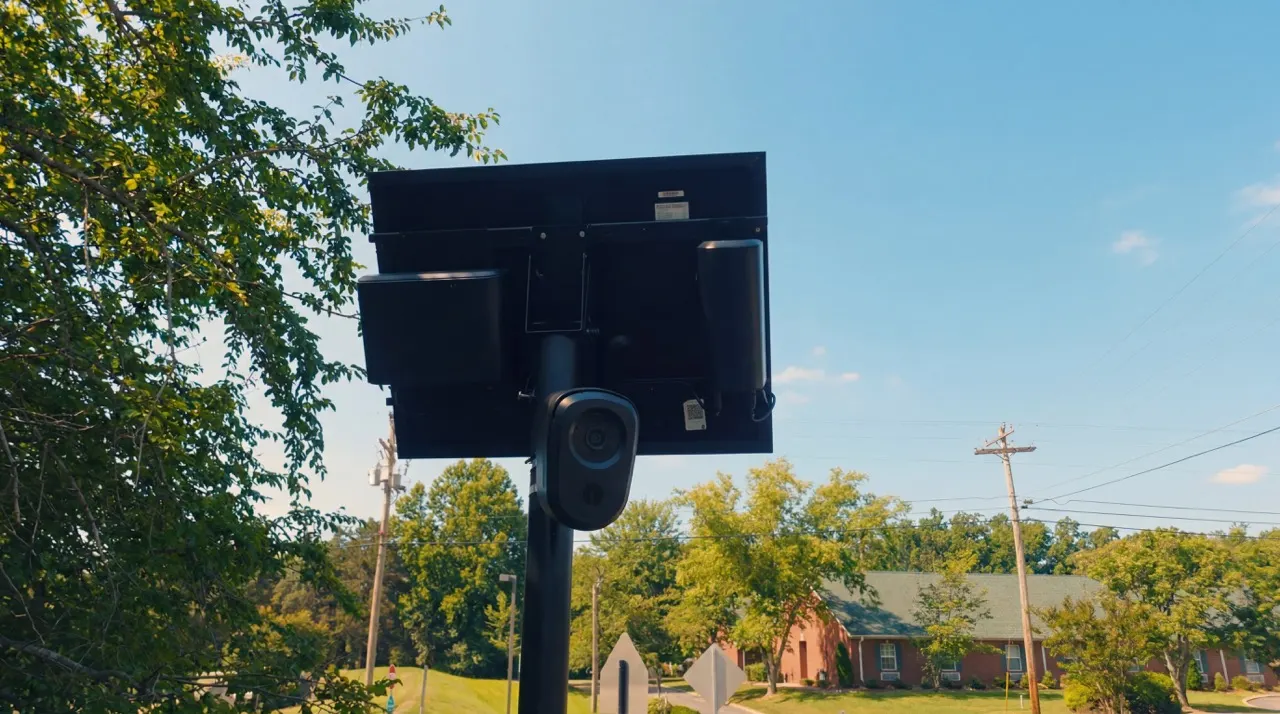
Flock CEO Garrett Langley insisted the company's audio sensors detect only gunfire, while its website and a spokesperson cite fireworks, sideshows and car crashes too.
A German IAB study finds jobs highly exposed to AI have grown faster since 2022 for workers over 30, while young entrants show a slight, not yet significant, negative trend.