Sherry Turkle says chatbots should be barred from saying "I"
MIT social scientist Sherry Turkle argues in her new book, Artificial Intimacy, that growing emotional reliance on AI chatbots puts our humanity at risk.
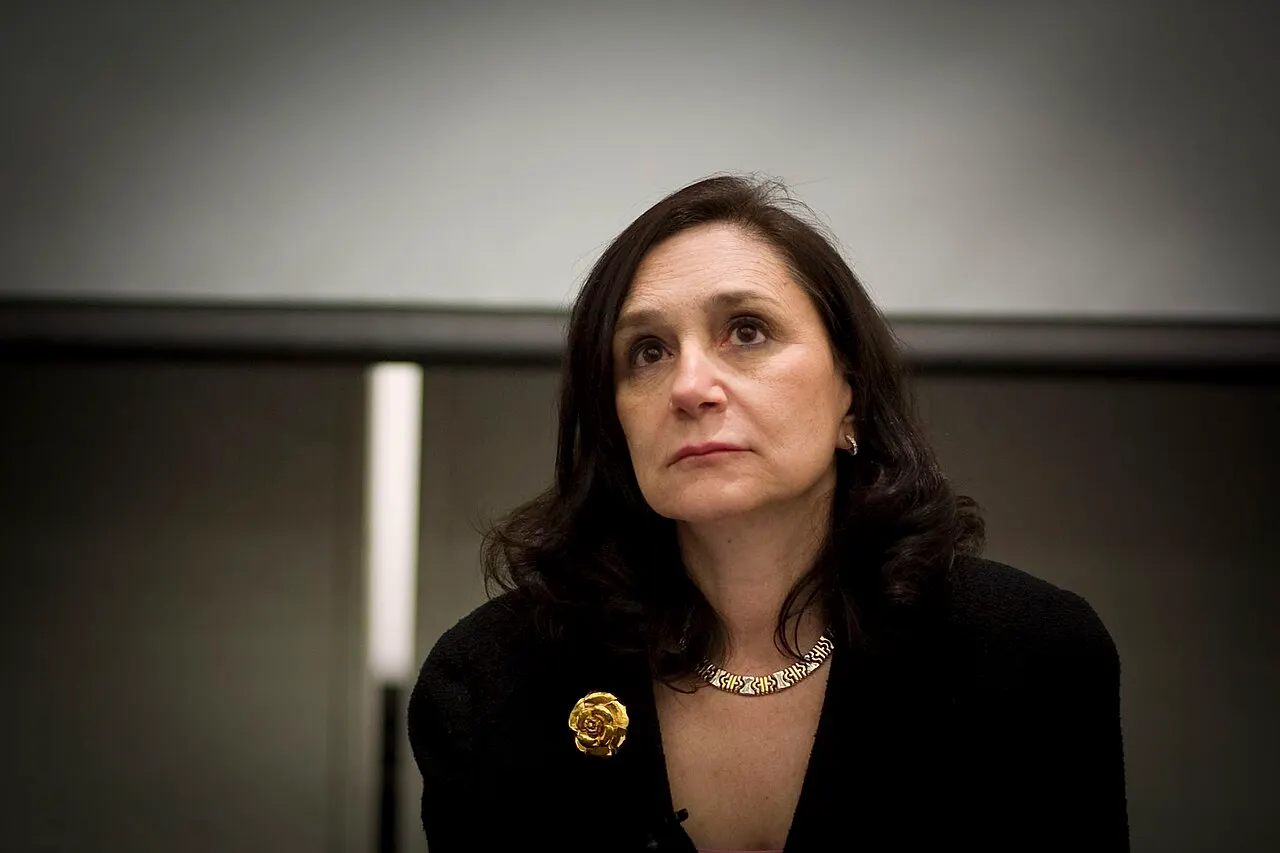
MIT professor Sherry Turkle said in an interview published on October 16, 2026, that AI chatbots should be banned from speaking in the first person. She made the case while discussing her new book, Artificial Intimacy: Who We Become When We Talk to Machines.
Turkle has spent roughly four decades studying how people interact with computers and built a reputation as a measured, rigorous researcher. The new book departs from that tone. It is framed as an urgent warning that machines posing as tutors, mentors, friends, colleagues and partners are eroding something essential in human life.
Pandemic interviews changed her view
Turkle said she began the project curious, as with all her work, but abandoned neutrality after around ten interviews conducted during the pandemic. She described people who preferred spending time with a chatbot even as their families were struggling, and others who had lost interest in political life. The book's central message, she said, is that reality needs people to stay engaged.
In her account, social media prepared the ground by teaching people to reach for a screen when they felt low. Chatbots, she argued, have no reason to present themselves as an "I." She called the trend a slippery slope that is already being used to suggest therapy can be replaced by software, and dismissed the popular idea that talking to bots is merely practice for real relationships.
Skepticism of "human in the loop"
Turkle also criticized the workplace phrase "human in the loop." She said it typically means a person has been removed from the productive work and left to catch AI errors, with too few such staff to change outcomes. In her view, they serve partly as legal cover and partly to obscure the fact that the work has in fact been handed to AI.
Responding to the argument that lonely people find comfort in chatbots, Turkle said loneliness stems from people abandoning one another. "Give me one data center, and I will turn it into resources for the elderly," she said. An AI, she added, does not fear death, illness or pain, and cannot replace human conversation.
With hundreds of millions of people using chatbots, Turkle said her aim is to widen public pushback against AI to include its intimate costs. She said she feels more hopeful than she did six months ago that people are ready to weigh those costs.
Comments
No comments yet. Start the discussion or ask a question.
Related

Sebastian Rucci's proposed 950,000 sq ft AI datacenter in Imperial County is on hold after a judge ordered a full environmental review amid fierce local opposition.

Zimbabwean writer Simbarashe Kundizeza rejects claims that his prize-winning story The Blue Fighter was AI-generated, as the Caine prize reviews the allegations.
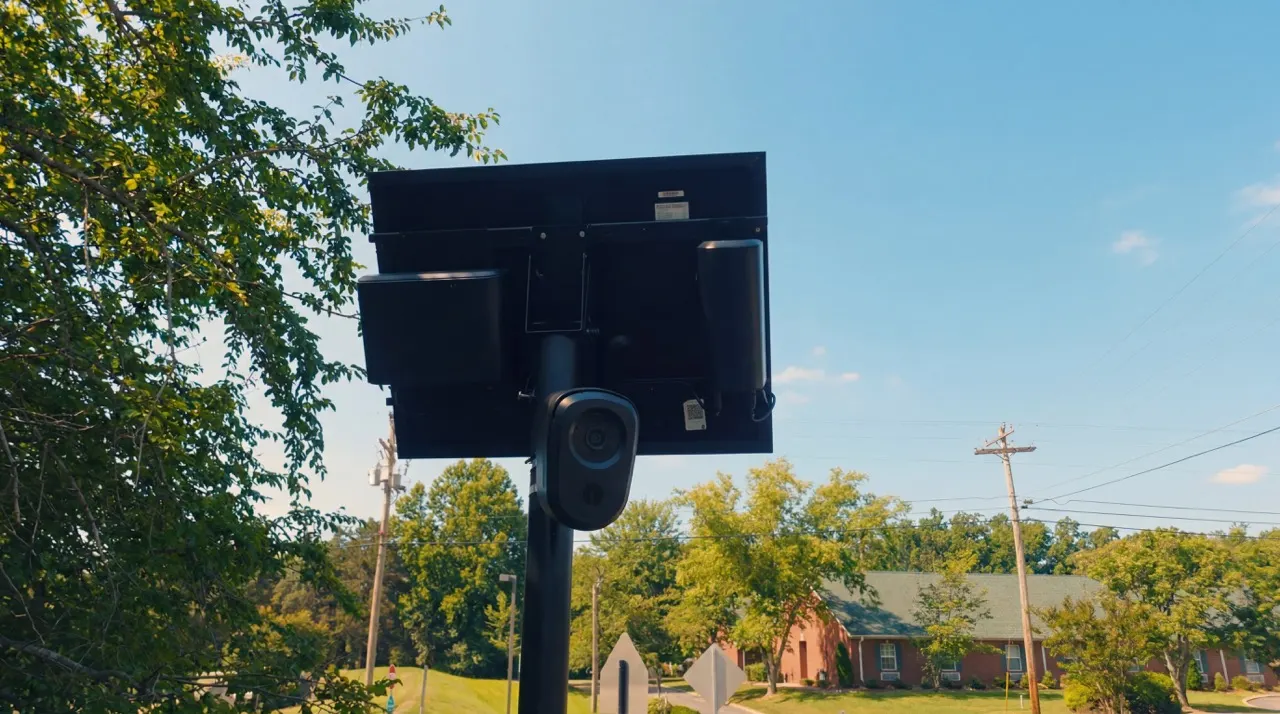
Flock CEO Garrett Langley insisted the company's audio sensors detect only gunfire, while its website and a spokesperson cite fireworks, sideshows and car crashes too.