Ray-Ban Meta glasses accused of recording audio without a wake word
A Reddit user says Ray-Ban Meta glasses captured conversations without a "Hey Meta" prompt, with recordings appearing in the Meta AI app. The claim is unverified.
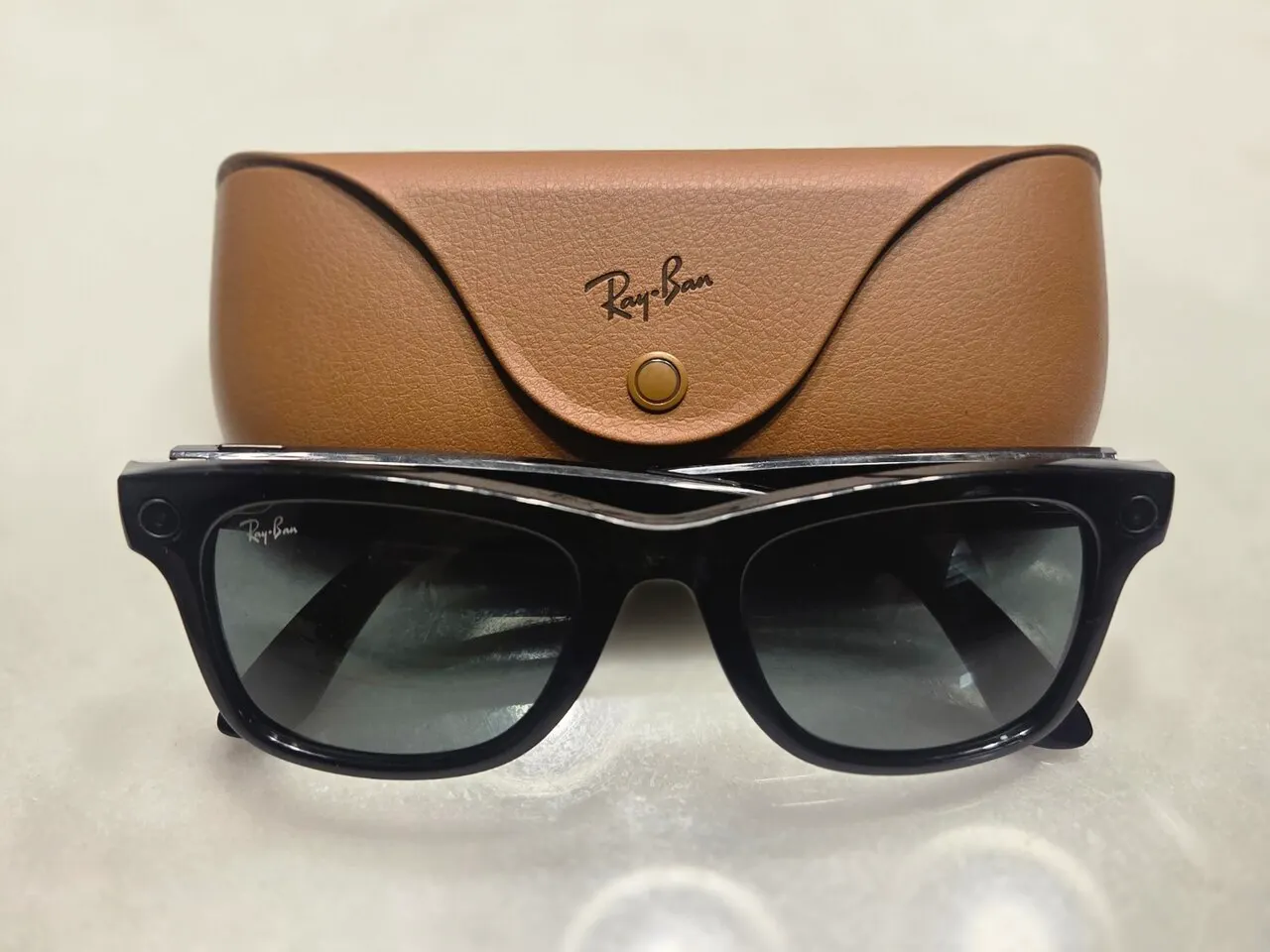
Claims that Ray-Ban Meta smart glasses may record conversations without the wearer summoning the voice assistant were circulating as of October 14, 2026. A Reddit user said the problem occurred on three separate pairs of second- and third-generation glasses. According to the user, the resulting recordings show up in the history section of the Meta AI app.
In the scenario described, the user never said the "Hey Meta" wake phrase, and the setting that lets the glasses respond without a command was switched off. Even so, the glasses allegedly activated the assistant on their own and captured audio.
A light, but no chime
The user says the white indicator light on the frame turns on during these episodes, but the sound that normally signals the assistant waking up does not play. As a result, owners reportedly only discover the recordings later, when they browse the app's history.
These accounts rest entirely on user reports. No independent party has confirmed that a software fault causes the glasses to start recording spontaneously, or that such audio is sent to Meta's servers. Meta has not publicly addressed the allegations.
Support advice leaves questions open
The Reddit poster said they raised the issue with Meta's support team. They were reportedly told to revoke microphone and camera permissions, turn off the feature that detects whether the glasses are being worn, and delete their voice history.
Disabling the microphone, however, means giving up a core function of a voice-driven assistant, and the suggested steps do not explain why the recordings happened in the first place. Without a confirmed fix from Meta, the issue cannot be considered resolved.
Smart glasses that combine a camera, microphones and an AI assistant in a device worn all day have long drawn privacy scrutiny. Recordings the owner does not notice could also capture bystanders, which is why reports like this matter for trust in wearable AI hardware, even before they are verified.
Comments
No comments yet. Start the discussion or ask a question.
Related

On October 14, 2026, YouTube Music began labeling tracks that were made or substantially altered with generative AI, with a tap-through explaining AI's role.
Deezer is building a setting that hides AI-generated tracks, albums and related artists from search results, with a launch expected before the end of 2026.

Google has introduced a US feature that lets people install personal Android apps built with AI in AI Studio directly through Google Play, without a computer.