Mark Wahlberg backs careful AI use in film and is open to a digital clone
Mark Wahlberg said he may use AI to enhance stadium scenes in his Pete Rose biopic and would consider an AI likeness that carries on his work after him.
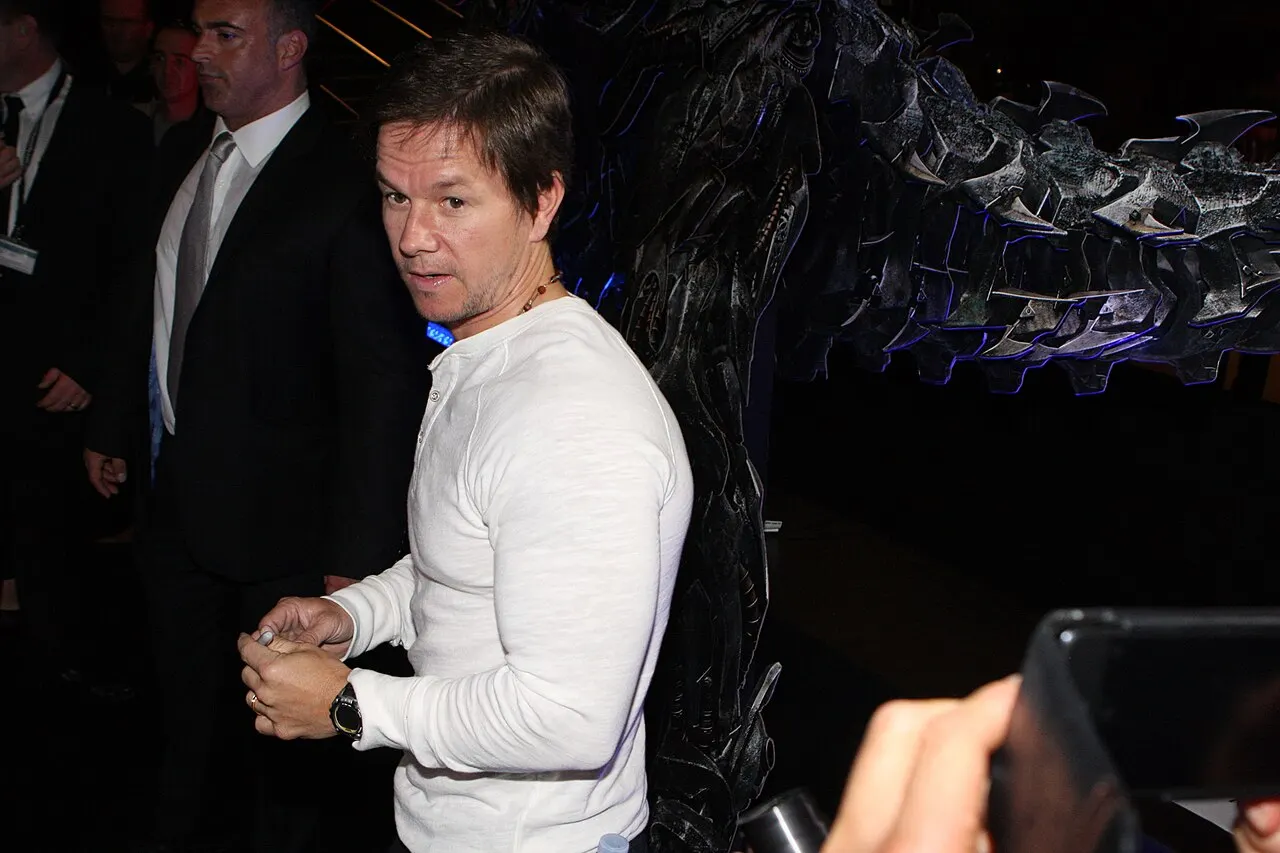
Actor Mark Wahlberg used an appearance at the TechCrunch Disrupt conference in October 2026 to argue that artificial intelligence has a legitimate role in filmmaking, provided it is applied properly. Wahlberg, who also works as a director, entrepreneur and angel investor, spoke as Hollywood remains split over the technology.
He said the production team behind his upcoming Pete Rose biopic, in which he plays the baseball figure, is discussing AI tools to improve parts of the film. Describing it as a fairly expensive project, he pointed to the stadium setting as one area where the technology could help.
Tools, not replacements
Wahlberg drew a line at handing creative work to software. He said he does not support feeding an idea into ChatGPT, shooting whatever script comes out and leaving real actors out of the process. "If you can use it to enhance what you're doing, I'm all for that," he said.
He also stressed that storytelling should stay at the core of cinema. Recalling the era of the first Jurassic Park and Perfect Storm, when computer-generated imagery felt groundbreaking, he said such moments are hard to recreate today and that he now cares more about strong stories than effects-heavy spectacle.
A likeness for future generations
Asked whether he had visited the CAA Vault, a Creative Artists Agency facility where performers can have their bodies, faces, movements and voices scanned to build AI replicas, Wahlberg said he had not but would be open to it. He said he liked the idea of his children or grandchildren one day managing his likeness and image.
He went further, saying he would not object if his upcoming animated series "Ted" continued for decades using an AI version of him once he could no longer take part or had died. If audiences wanted it, he said, they should be able to watch what they want.
The remarks add a prominent voice to an unsettled debate in the entertainment industry over who controls performers' digital doubles and how far AI should reach into production. Studios, talent agencies and actors are still working out those boundaries, and endorsements from major stars may shape where they land.
Comments
No comments yet. Start the discussion or ask a question.
Related

Sebastian Rucci's proposed 950,000 sq ft AI datacenter in Imperial County is on hold after a judge ordered a full environmental review amid fierce local opposition.
Zimbabwean writer Simbarashe Kundizeza rejects claims that his prize-winning story The Blue Fighter was AI-generated, as the Caine prize reviews the allegations.
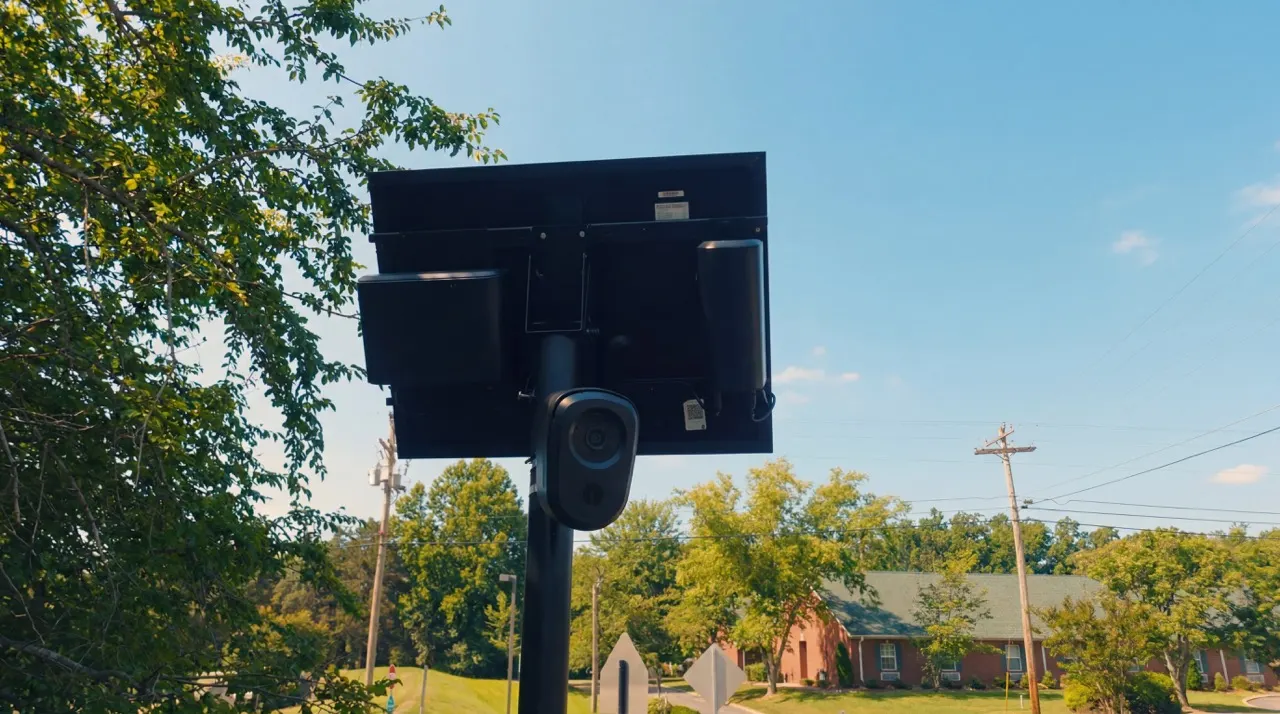
Flock CEO Garrett Langley insisted the company's audio sensors detect only gunfire, while its website and a spokesperson cite fireworks, sideshows and car crashes too.