Google DeepMind uses Antigravity agents to find antimicrobial peptide lead
Google DeepMind says biologists using its agentic Antigravity platform identified a peptide candidate predicted to act against respiratory pathogens, now in wet-lab testing.
Google DeepMind on October 15, 2026 published a technical walkthrough showing how its agentic development platform, Google Antigravity, can speed up the hunt for new antibiotics. According to the company, biologists working in a single Antigravity session surfaced a novel antimicrobial peptide candidate with predicted activity against pathogens involved in respiratory tract infections. The candidate is now undergoing wet-lab validation.
The work is credited to Pengfei Tian, Maxwell L. Bileschi, Zoi Tsangalidou, Sukhdeep Singh and Lucy J. Colwell. The authors stress that the result is a plausible lead supported by structural and genomic evidence, not a confirmed drug, and that laboratory experiments are still required.
Mining protein dark matter
At the core of the workflow is ProtNLM, a deep learning model built by Google that predicts biological function straight from amino acid sequences. It adds labels such as protein names, function descriptions, subcellular locations, GO terms and keywords to millions of UniProt entries whose roles were unknown. Many of those sequences came directly from genome sequencing projects and resemble no characterized protein, leaving them effectively unexplored.
In the demonstration, the researcher set a narrow goal: find and computationally validate new antimicrobial peptides in Streptococcus pseudopneumoniae. The human scientist directed the strategy and chose what evidence to gather, while the AI agent handled querying multiple databases, analysing structures and summarising the literature.
DeepMind also introduced the Biomolecular Structure Viewer, a 3D visualisation tool built into Antigravity. It displays structures pulled from the AlphaFold Database or from a scientist's own predictions, and the agent can highlight regions to explain its reasoning. The link runs both ways: residues a researcher highlights or notes they pin onto a binding pocket are passed back to the agent, which can then answer questions about that exact spot.
Why it matters
The company points to estimates that antimicrobial resistance could cause around 10 million deaths a year worldwide by 2050. Bacteriocins, a class of antimicrobial peptides, are seen as promising because they evolved to hit core weaknesses in rival bacteria, making resistance harder to develop. Genomic data has already yielded the widely used Nisin as well as recent finds such as Darobactin, Dynobactin and Lariocidin.
DeepMind argues that this kind of search previously demanded custom scripts, manual file transfers between modelling tools and coordination among several specialists. Since wet-lab work is costly, narrowing the field to the strongest leads early is essential. Whether the approach delivers on its promise will depend on how the new candidate performs in the lab.
Comments
No comments yet. Start the discussion or ask a question.
Related

At Hexacon in Paris, the Calif.io team demonstrated an untethered jailbreak working up to iOS 27.0.1, including on the iPhone 18 Pro, with AI helping find the exploit chain.
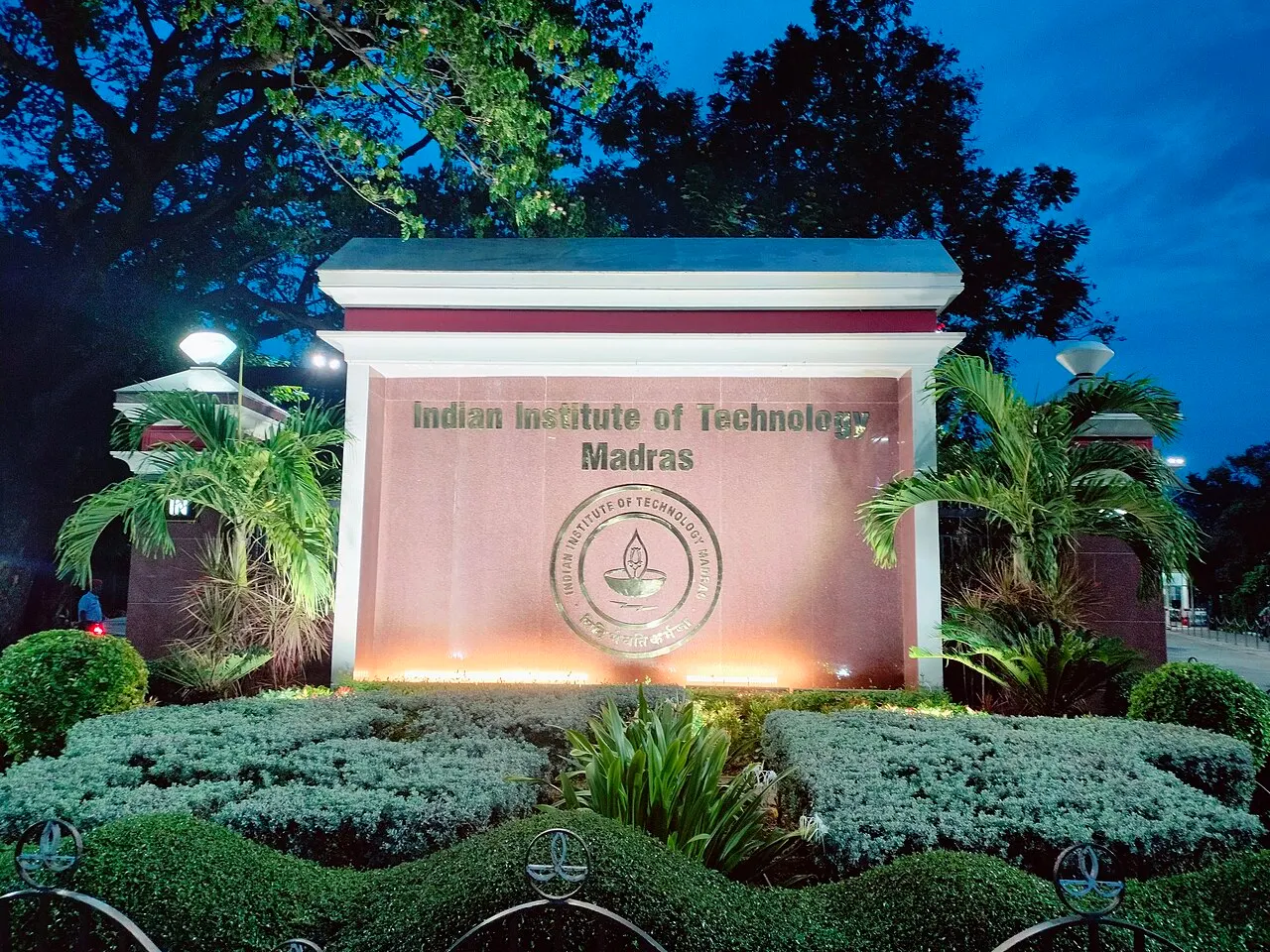
NVIDIA and IIT Madras' AI4Bharat lab will soon release Nemotron-pretraining-Indic-v1, a synthetic corpus spanning 22 Indian languages, plus the open pipeline behind it.

CERN and Mistral AI signed a statement of intent for a long-term partnership to build a "Large Physics Model", billed as the first foundation model for collider physics.