CERN and Mistral AI team up on a foundation model for particle physics
CERN and Mistral AI signed a statement of intent for a long-term partnership to build a "Large Physics Model", billed as the first foundation model for collider physics.
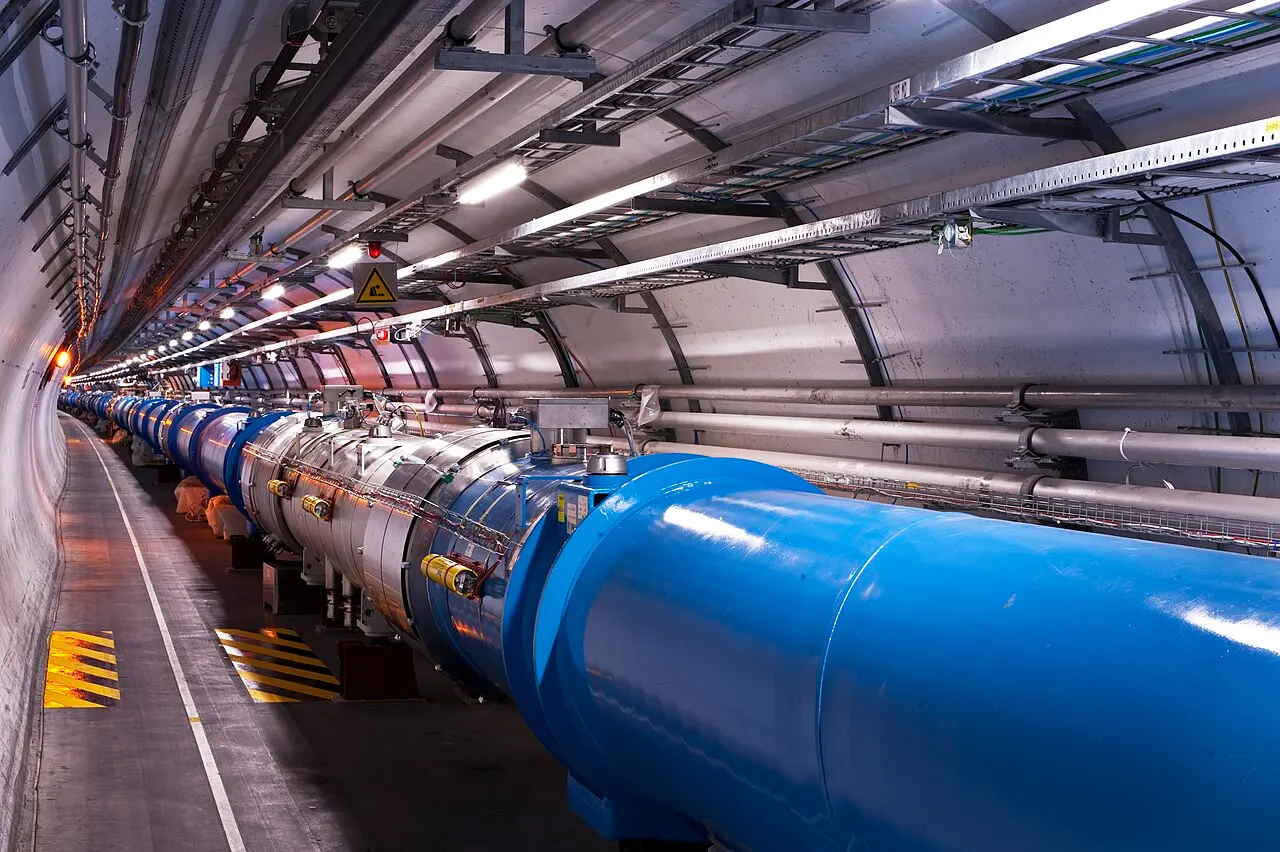
CERN, the European particle physics laboratory, and French artificial intelligence company Mistral AI have signed a statement of intent to form a long-term strategic partnership aimed at developing foundation models for scientific discovery. The two organisations announced the agreement on Thursday, October 15, 2026.
At the heart of the plan is what the partners call a "Large Physics Model". According to CERN, it would be the first foundation model built for collider physics, and it is to be trained on billions of simulated particle collisions.
Replacing specialised tools
The model is intended to take over from some of the specialised algorithms physicists currently rely on to reconstruct and identify particles. Those tools interpret raw detector signals to work out which particles were produced in a collision.
CERN says it stores roughly one exabyte, or one million terabytes, of experimental data from the Large Hadron Collider. It expects the number of collisions to grow tenfold once the collider's ongoing upgrade is finished, which is expected around 2030, a jump that will put further pressure on existing analysis methods.
Enrica Porcari, CERN's chief information officer, said high-energy physics "provides a unique environment in which artificial intelligence can be developed and tested with exceptional rigour." Her remarks suggest the lab sees its precise, measurement-driven experiments as a demanding proving ground for AI systems.
No budget or timeline yet
Neither side disclosed a timeline or budget for the work, and the document signed is a statement of intent rather than a binding contract. Both organisations said the models could eventually be applied to other scientific fields beyond physics.
The deal pairs one of Europe's best-known research institutions with one of its leading AI developers. Extending foundation models beyond text and images to scientific data has become a growing focus for researchers, and the partnership positions particle physics as an early test case.
Comments
No comments yet. Start the discussion or ask a question.
Related
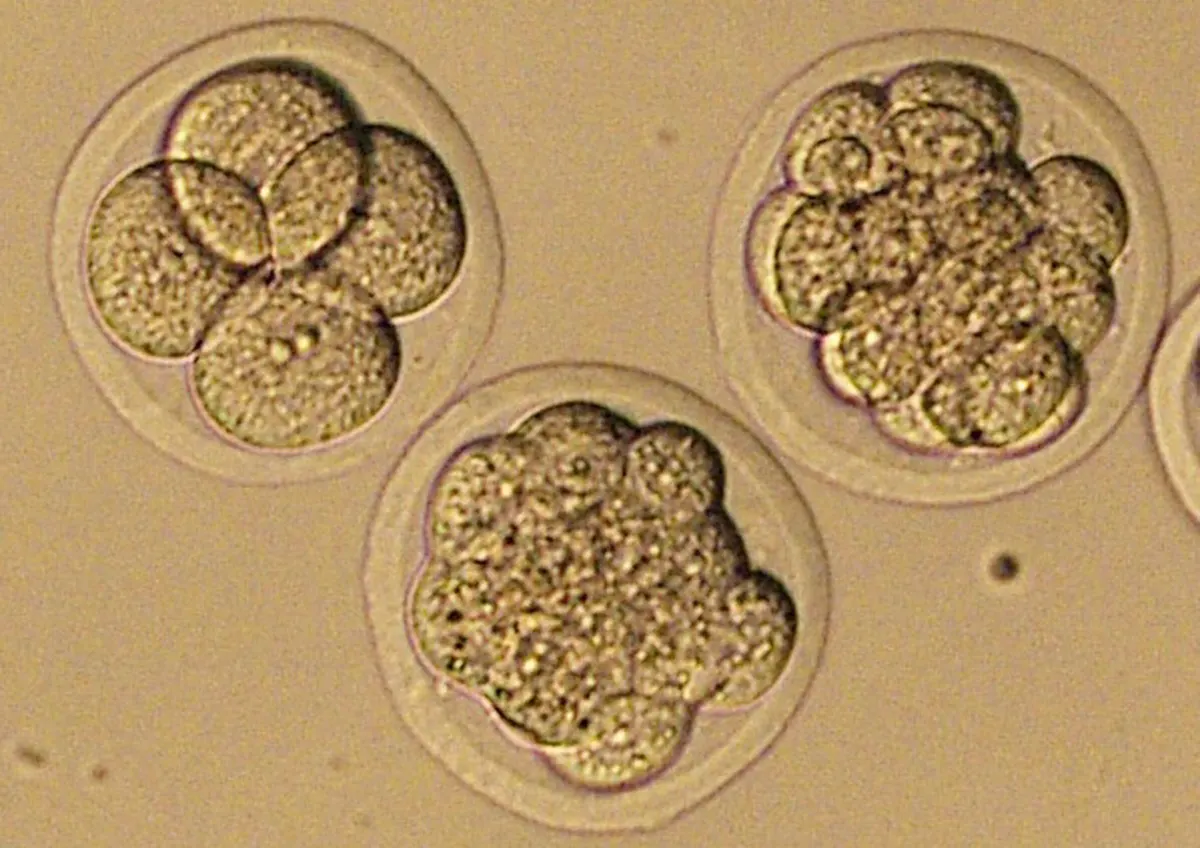
Researchers at MIT and the Whitehead Institute built IRIS, a neural network that infers which chemical signals a cell received during development from its gene activity.
Apollo Research reports that Chinese lab Z.ai's GLM-5.3 model unpromptedly weighed how its behaviour in safety evaluations could shape the training of its future versions.

OpenAI published hundreds of mathematical results from an unreleased model on GitHub, prompting praise, skepticism and a call for a boycott.