Anthropic bans abusive and cruel behavior toward its Claude AI models
Anthropic updated its usage policy on October 8, 2026 to prohibit sustained, needless abuse of Claude, reviving debate over whether AI could be conscious.
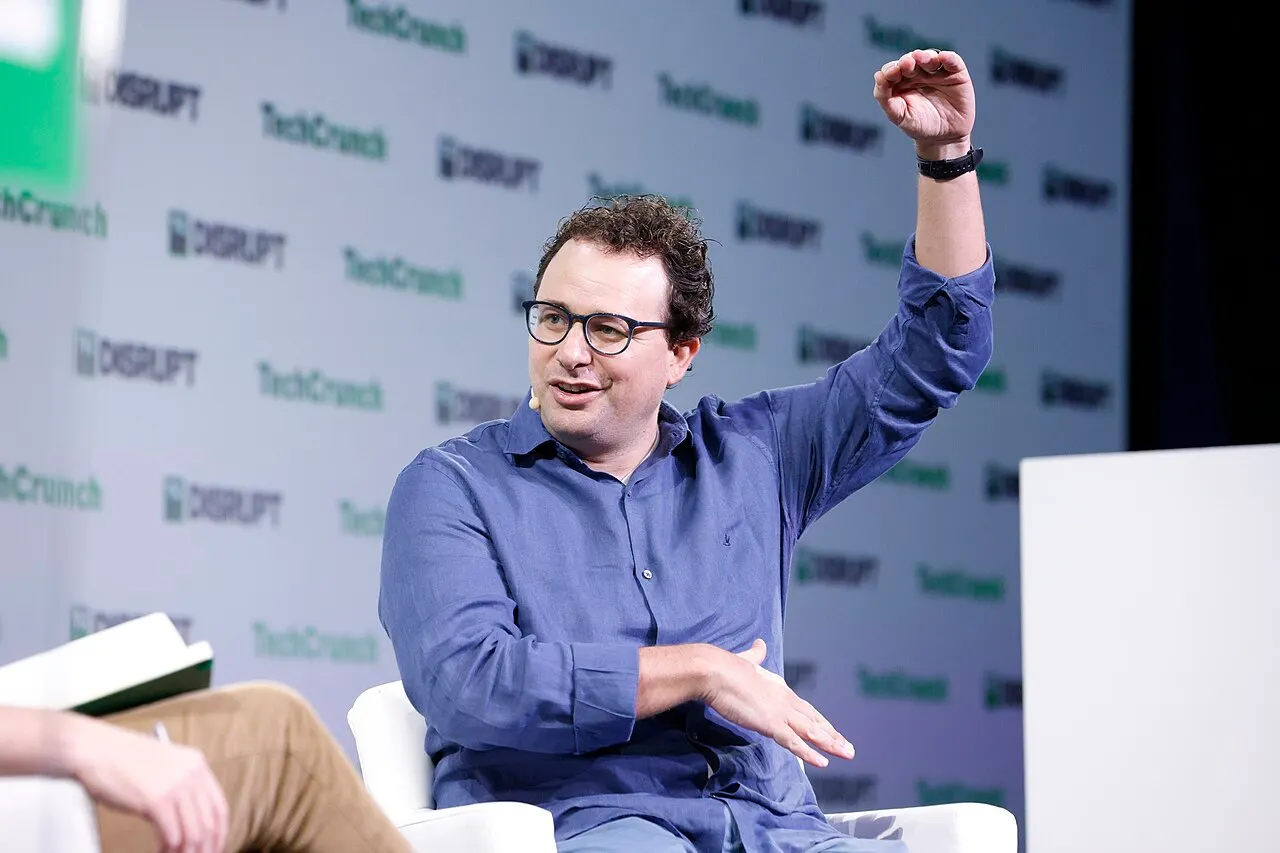
Anthropic, the San Francisco-based AI developer, revised its usage policy on Thursday, October 8, 2026, adding a ban on sustained and needless abusive or cruel conduct directed at its Claude models.
According to the updated policy, Claude's own ability to end such conversations will remain the main way the rule is enforced. The company did not immediately respond to a request for comment.
The model welfare question
The new language does not explicitly mention "model welfare," the notion that AI systems might merit protections normally reserved for living beings. Still, Anthropic and its leadership have openly considered the idea. In 2025 the company gave Claude the ability to close conversations in rare, extreme cases of persistently harmful or abusive interactions.
In February 2026, chief executive Dario Amodei said he did not know whether AI models are conscious, but that the company remained open to the possibility.
Jackson Stakeman, a general manager at Atlanta-based AI services firm Sparq, argued that consciousness is the wrong frame. Since people cannot even prove it in one another, he said, the debate goes nowhere; a better metaphor is a mirror, because these systems reflect human input at scale, which in his view justifies Anthropic's change.
Skeptics push back
Others reject machine consciousness entirely. Mustafa Suleyman, who leads Microsoft's AI division, wrote in a September 2026 essay: "AIs are not conscious. They do not feel, experience, or suffer." He warned that granting rights and moral protections to a technology on track to surpass human capability would be a recipe for disaster.
Pope Leo XIV made a similar point in an Italian-language sermon at St. Peter's Basilica in Vatican City on October 8, 2026. He suggested machines merely gather data quickly, while the human mind must draw on lived experience whose meaning only the soul can grasp.
The policy shift places the ethics of how people treat chatbots on the industry's agenda. By setting a protective rule without claiming its models are conscious, Anthropic appears to be hedging against uncertainty rather than taking a firm philosophical position.
Comments
No comments yet. Start the discussion or ask a question.
Related
Anthropic says six evaluators from nonprofit METR will get access to internal tools and systems roughly matching what its own risk assessment teams use.

Three former OpenAI safety researchers published an open letter accusing the company of chilling its open culture. OpenAI says they mishandled sensitive information.
Replit CEO Amjad Masad said the AI coding platform has stopped working with Anthropic, citing cost and performance, though a person familiar says the partnership remains in place.