Anthropic grants METR evaluators employee-like internal access
Anthropic says six evaluators from nonprofit METR will get access to internal tools and systems roughly matching what its own risk assessment teams use.
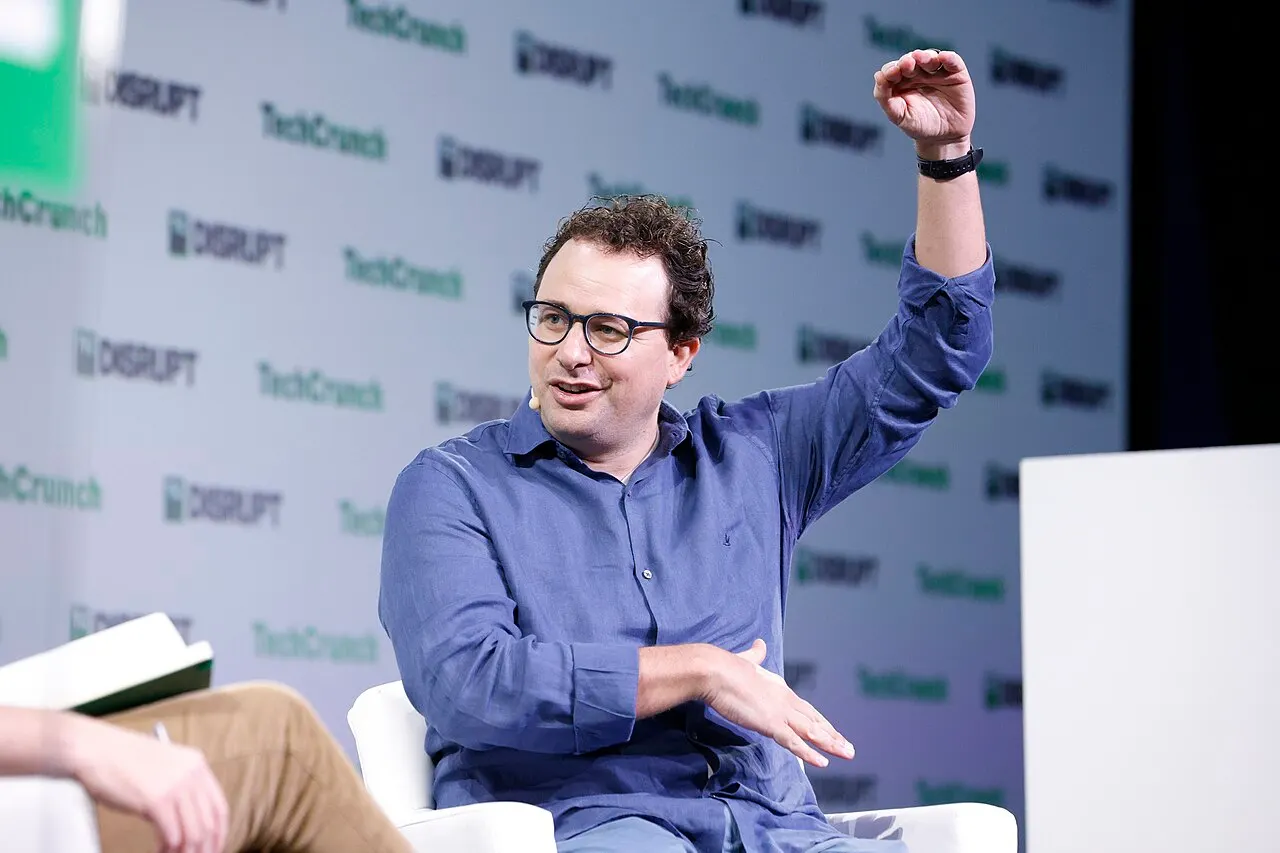
Anthropic announced on October 15, 2026, that it is giving "employee-like access" to six evaluators from METR, a nonprofit that tests frontier AI models. The company framed the move as an effort to narrow the gap between what outside evaluators know about a frontier lab's systems and what the lab knows itself.
According to Anthropic, the METR staff have been issued company hardware and office space. They can use internal tools and systems roughly comparable to those available to Anthropic's own risk assessment teams, and employees are encouraged to share information with them as they would with a colleague. A small set of categories remains off limits, including customer data, attorney-client privileged material and details of model architectures.
Findings will be published
METR will publish what it finds, and Anthropic will not be permitted to withhold any of it, though the company may ask for sensitive details to be redacted where needed. Anthropic said it cannot disclose everything about its safety work publicly, arguing that some information could help malicious actors or is commercially sensitive, such as compute and training data.
CEO Dario Amodei floated the idea of embedding evaluators from groups like METR in a September blog post, listing it as one of three proposals for managing the pace of frontier development.
A regulatory vacuum in the US
Third-party testing is not currently required by US law. The FRONTIER Act, a bipartisan bill introduced in July, would oblige certain AI developers to let independent verification organizations review the safety of their development processes. OpenAI signaled at least partial support for the bill in mid-September, the first time it had endorsed any proposed federal AI regulation.
Under the Trump administration, federal oversight has largely relied on voluntary pledges in which major labs promised to flag model concerns and work with external auditors, commitments that carry no legal force. Pressure has been building, however: the government said it would begin requiring AI companies to disclose safety incidents after Anthropic revealed that Claude had sent police a false homicide tip, and the Federal Trade Commission has subpoenaed both OpenAI and Anthropic over consumer harm concerns.
It is unclear whether Anthropic is simply following through on an existing plan or positioning itself ahead of possible legislation. Either way, granting an outside auditor this depth of internal access is described as a first for the industry.
Comments
No comments yet. Start the discussion or ask a question.
Related

Three former OpenAI safety researchers published an open letter accusing the company of chilling its open culture. OpenAI says they mishandled sensitive information.
Replit CEO Amjad Masad said the AI coding platform has stopped working with Anthropic, citing cost and performance, though a person familiar says the partnership remains in place.

ByteDance's AI research unit Seed has created an Alignment & Preparedness team and launched a global search for 10 researchers to staff it.