Ant Group releases Ling-3.1-flash weights with 1M-token context
Ant Group has published the weights of Ling-3.1-flash, a roughly 560-billion-parameter model that developers can now run on their own hardware.
Chinese technology company Ant Group has made the weights of its Ling-3.1-flash artificial intelligence model publicly available, as of 16 October 2026. The move lets developers host the model on infrastructure they control rather than relying on a hosted service.
According to the company, Ling-3.1-flash contains about 560 billion parameters in total, but only around 25 billion are used for each token it processes. The model can handle a context window of up to one million tokens, allowing very long inputs in a single pass.
Built for coding and agents
Ant Group is pitching the model at programming, agent-style workflows and professional work that involves lengthy documents and calls to external tools. The model had been introduced earlier, and the weight release comes with deployment support for inference frameworks including SGLang and vLLM.
The team also described a mixed-precision deployment method. Ant Group said it cuts the memory needed for the model weights from roughly 534GB to 292GB. In the Hopper GPU setup the company reported, that halved the hardware requirement from eight GPUs to four.
Why it matters
The wide gap between total and active parameters points to a mixture-of-experts design, an approach meant to keep very large models cheaper to run. Halving the number of GPUs needed could make self-hosting a model of this scale realistic for more companies and research groups.
Ant Group, best known as the operator of Alipay, joins a growing list of Chinese firms releasing large models with open weights. Independent evaluations will be needed to show how Ling-3.1-flash performs on the coding, agent and long-document tasks the company is targeting.
Comments
No comments yet. Start the discussion or ask a question.
Related
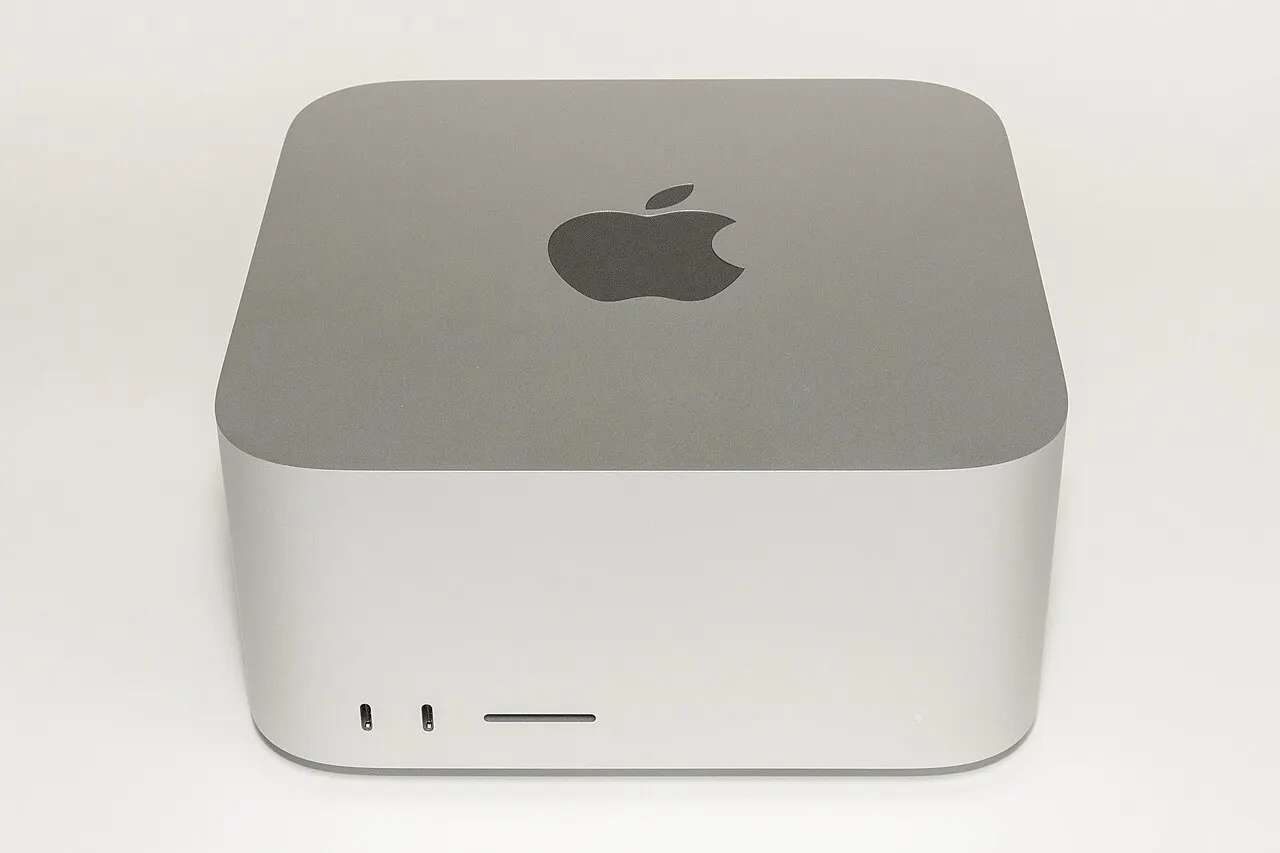
Meta has released Muse Spark Open, an 816-billion-parameter open-weight AI model that, after optimisation work with Apple, can run locally on two M5 Ultra Mac Studios.
New US lab Reflection published its first model, Beam, on Hugging Face on October 16, 2026: a 501B-parameter open model built for coding and agents.
Kling AI's new Kling 4.0 model generates up to 30 seconds of video and accepts 15 multimodal references and 10 keyframes, pitching directorial control over raw visual quality.