Volvo to use Nvidia Alpamayo AI for hands-free city and highway driving
Volvo is expanding its Nvidia partnership to build an SAE Level 2++ hands-free driving system for highways and city streets, due before 2030.
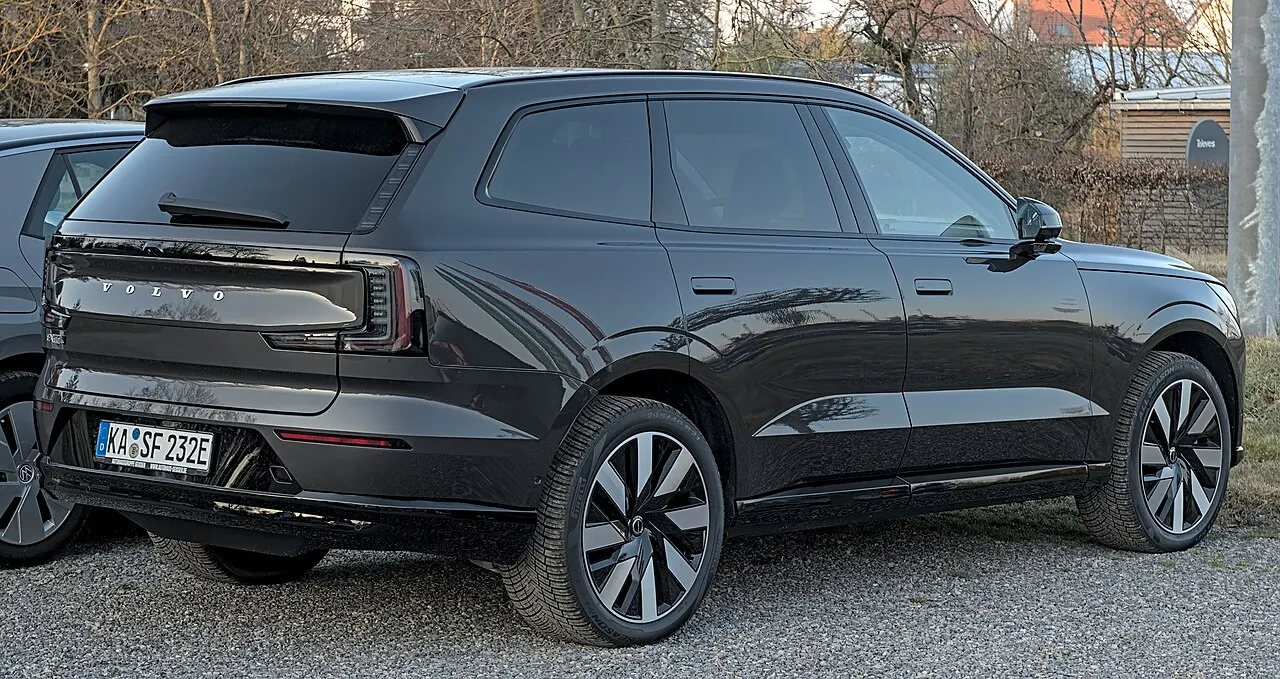
Swedish carmaker Volvo is broadening its nearly decade-long partnership with Nvidia to develop a hands-free driving system that works on both highways and urban roads, according to plans reported on October 16, 2026. The system will run on Nvidia hardware and software and is slated to launch before 2030.
Volvo describes the technology as SAE Level 2++. It is designed to handle traffic lights, stop signs and unprotected left turns without the driver continuously steering or using the pedals, though the driver remains responsible at all times. In how it operates, the system resembles Tesla's Full Self-Driving (Supervised).
Hyperion hardware and Alpamayo models
The hardware foundation is Nvidia's Hyperion platform, which pairs high-performance computing with a sensor architecture built around cameras, radar and other inputs. On the software side, Nvidia's Alpamayo family of AI models, which the chipmaker says can reason, will help decide when the car should accelerate, brake or steer.
Ali Kani, who leads Nvidia's automotive business, said the setup will combine two approaches at once: conventional machine-learning-based driving software processing camera and radar data, and Alpamayo's reasoning applied to more complex scenarios. He added that the result will be similar to the Nvidia-powered system Mercedes-Benz offers on its new CLA.
Volvo will also adopt Nvidia's Halos safety evaluation layer. Alwin Bakkenes, head of global software engineering at Volvo, said the company is building its own systems that analyse driver behaviour in more depth than standard driver monitoring. Because Volvo cars can already share information such as roadworks and hazards ahead with other vehicles, the system is expected to account for conditions beyond its own sensors' range.
Aimed at the whole lineup
Volvo plans to offer the system across its range, from entry-level to premium models, and not only on fully electric cars but also on plug-in hybrids and petrol models. The company has not said which vehicle will debut the technology, only that the first Nvidia-based Volvo will arrive before 2030, with wider rollout to follow.
The deal underlines how carmakers increasingly lean on ready-made platforms from chip and AI suppliers like Nvidia rather than building driving automation entirely in-house. Bringing reasoning-capable models into the car is also part of the industry's effort to catch up with Tesla in supervised self-driving.
Comments
No comments yet. Start the discussion or ask a question.
Related
OpenAI claims a former employee who joined Apple sent more than 100 files on an unreleased product to a personal account and later presented it to Apple leaders.

Anthropic has granted six researchers from evaluator METR employee-level access to its internal tools, and METR can publish its findings without an Anthropic veto.
Chinese AI start-up DeepSeek apologised for a nearly five-hour outage on October 15, 2026, and said it will refund all usage from October 8 to 14 as credits.