OpenAI employee arrested over recording device hidden in executive room
US prosecutors charged Abdulrahman Alfozan, 35, with planting a covert audio recorder in an executive conference room at OpenAI's San Francisco offices.
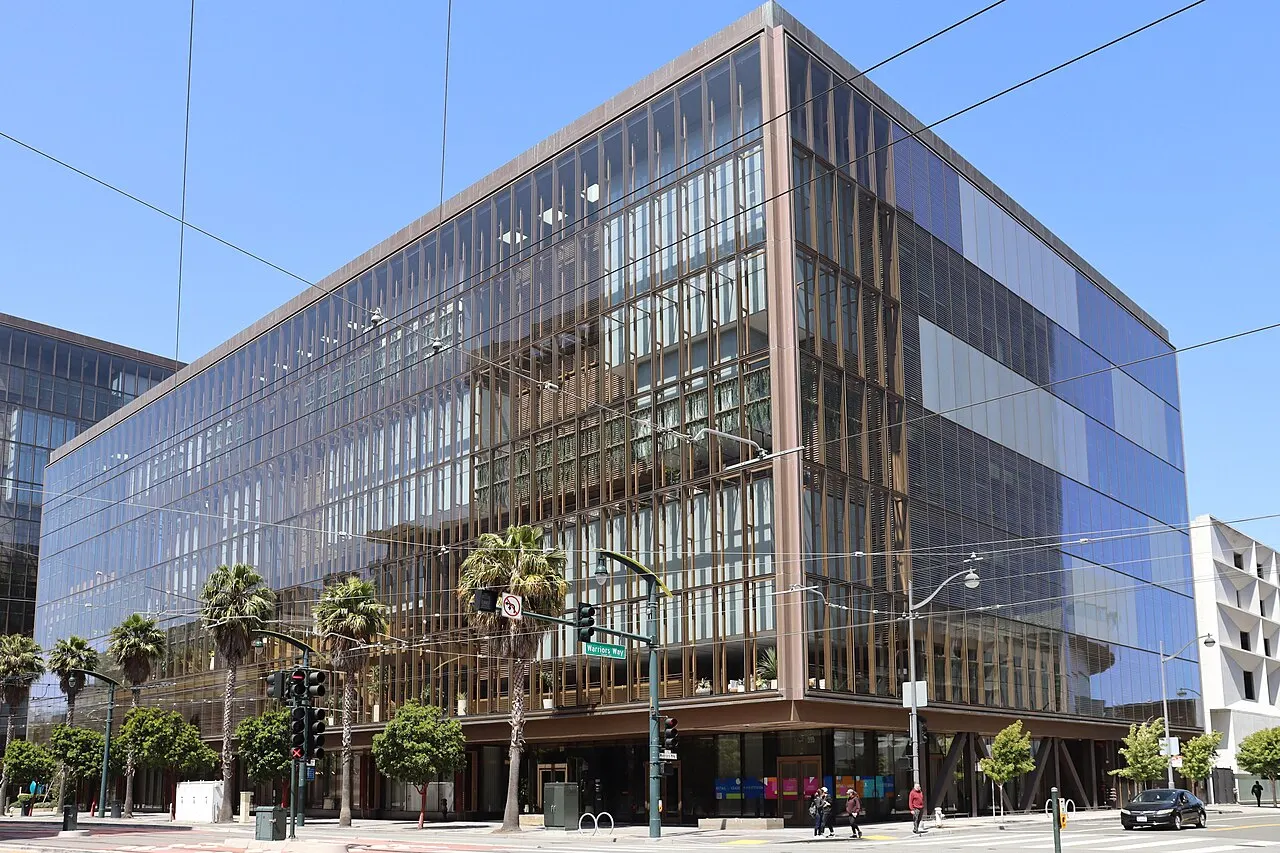
OpenAI said on October 13, 2026, that it had found a hidden recording device in one of its San Francisco offices and fired the employee it believes planted it. The US Justice Department confirmed that Abdulrahman Alfozan, a 35-year-old Saudi national and US permanent resident, was arrested on October 9. He appeared in federal court in San Francisco on October 13 on one charge of using a device to intercept oral communications.
According to the unsealed criminal complaint, the device was wrapped in toilet paper and plugged into a USB port behind a television in a conference room that only executives and their assistants can book. Prosecutors say it was planted no later than around September 28 and was discovered on September 30 during a countersurveillance sweep. The room is regularly used for discussions of confidential research, products, strategy and government relationships.
A trail of chatbot prompts
Prosecutors allege Alfozan spent weeks asking a productivity agent and an AI chatbot about building addresses, meeting rooms, calendars and where leadership sat. A chatbot account linked to his spouse allegedly asked how to build a continuous audio recorder, customise its wifi connectivity and encrypt its SD card, and referenced unique identifiers of the device later found in the office.
Authorities identified the device as a Seeed XIAO ESP32-S3 Sense, a thumb-sized development board with a microphone, camera sensor and microSD storage. Its data was encrypted, so OpenAI's security team could not review it. Surveillance footage allegedly showed Alfozan near the room despite having no reason to attend meetings there, and on October 5 security staff found a second identical device in a bag he had left in a printer room. He later retrieved the bag from lost and found and complained of missing items, without mentioning the recorder, prosecutors say.
OpenAI said it used its own models to understand the device and its origin, and that it has seen no sign the employee accessed or exfiltrated model weights, source code or customer data. FBI Director Kash Patel said Alfozan sought "to secretly capture sensitive communications about the company's super intelligence technology." Neither prosecutors nor OpenAI have described a motive.
Background and stakes
Alfozan joined OpenAI in July 2025 and previously worked at Meta and a cargo logistics startup; an online profile lists him as a part-time venture partner at Saudi-based RAED Ventures. If convicted, he faces up to five years in prison and a fine of up to $250,000. He has not commented publicly.
The case comes a year after Washington signed a pact giving Saudi Arabia access to advanced chips and AI technology, and as frontier labs face growing scrutiny of how they guard their secrets. The investigation is ongoing.