Nvidia open-sources Run:ai GPU orchestration platform under Apache 2.0
Nvidia has released its full Run:ai platform for managing GPUs on Kubernetes as open source under the permissive Apache 2.0 license.

Nvidia has made its entire Run:ai GPU orchestration platform available as open source, according to details published on October 19, 2026. The software is licensed under Apache 2.0, which permits commercial use and modification. Run:ai acts as a layer that decides how AI workloads running on Kubernetes clusters are allocated across graphics processors.
What the release includes
The release bundles several core components. Chief among them is KAI Scheduler, which determines how and in what order jobs are placed on GPUs. It also ships GPU fractioning built on CUDA 13.4, a technique that lets a single graphics processor be split among multiple workloads.
Quota management is part of the package as well, letting administrators cap GPU consumption across teams and projects. For developers, Nvidia provides a local environment based on Kind, a tool that runs Kubernetes clusters inside Docker containers on a single machine.
Why it matters
Nvidia acquired Israel-based Run:ai in 2024 and signalled at the time that it intended to open-source the software. The move turns what had been a commercial product into code that organisations can inspect, adapt and run on their own infrastructure without licensing fees.
GPUs remain among the costliest and scarcest resources for training and serving large models. Scheduling, fractioning and quota controls help companies squeeze more work out of hardware they already own. A permissively licensed option could appeal to cloud providers and enterprises running their own data centres who want finer control over shared accelerators.
Details on the project's roadmap, community governance and any support for non-Nvidia hardware were not available at the time of writing. How widely the platform is adopted will depend on whether developers outside Nvidia begin contributing to and building on it.
Comments
No comments yet. Start the discussion or ask a question.
Related

Founded by two University of Lagos students, UniBeta abandoned a failed campus super-app and rebuilt itself as an AI tool that mines past papers for high-yield topics.
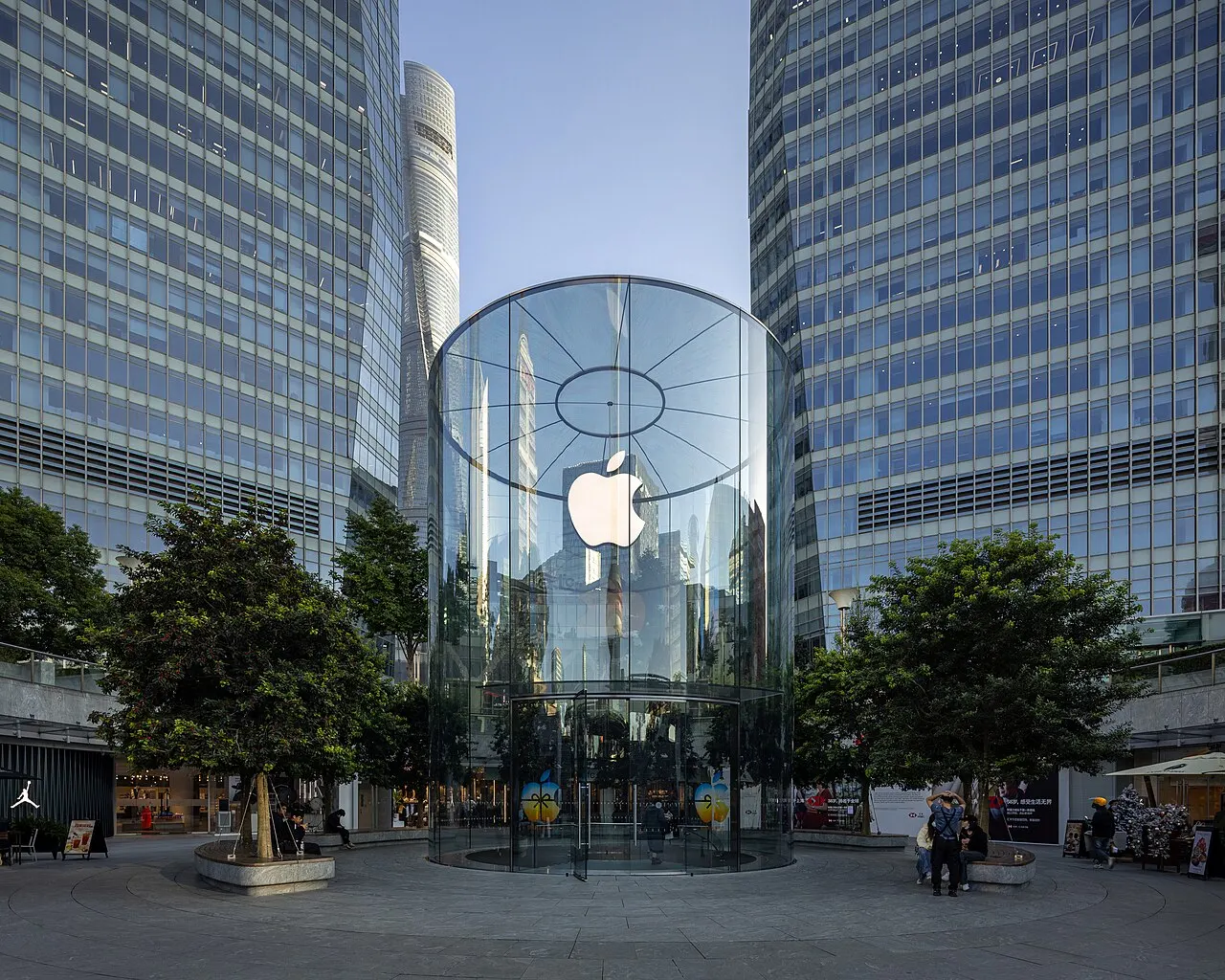
Apple reportedly plans to switch on Apple Intelligence in China with iOS 27.3 using Alibaba's Qwen models, while the new Siri, Image Playground and some writing tools stay off.
Amazon has introduced two personal AI gadgets that turn everyday conversations and phone calls into summaries, reminders and to-do lists.