Microsoft exits Nscale's Essex AI datacentre over power supply worries
Microsoft has pulled out of British firm Nscale's planned AI datacentre in Loughton, Essex, citing power supply concerns, leaving the site without its only announced customer.
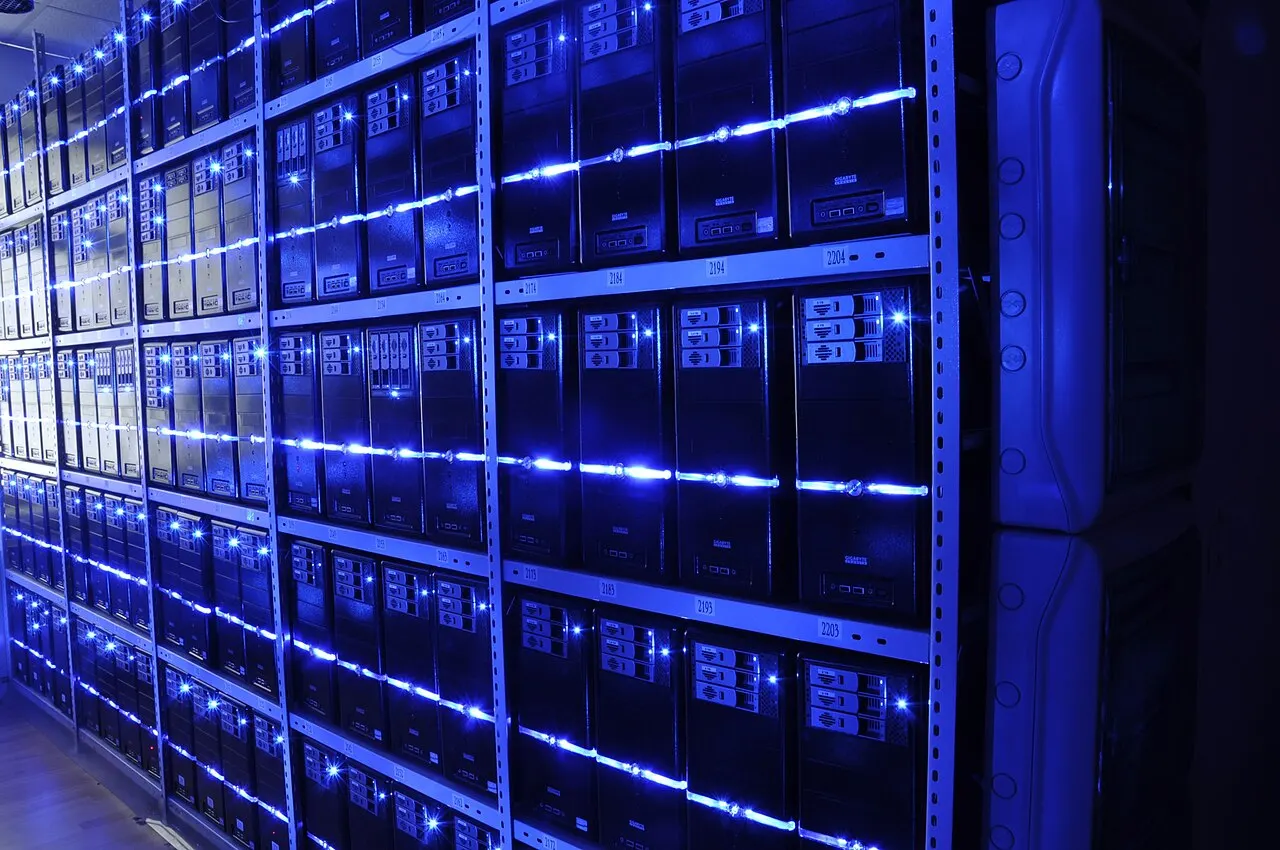
Microsoft has withdrawn from a large AI datacentre project planned for Loughton in Essex, England, over concerns about electricity supply. The decision, which came to light on 18 October 2026, ends the US company's agreement with Nscale, the British firm developing the site.
Microsoft had been one of the largest planned customers for the facility and was expected to serve as its anchor tenant. Its exit leaves Nscale without the only customer it had publicly named for the Essex datacentre. Microsoft is understood to still be involved in a separate Nscale project in Norway.
A flagship project under strain
When it was unveiled in 2025, ministers promoted the Loughton scheme as the country's biggest AI datacentre. Keir Starmer's government featured it in the launch of the UK's AI strategy that year, calling it the "largest UK sovereign AI datacentre". It had been scheduled to open in 2027.
The project has faced mounting doubts. Reporting in March 2026 showed that the intended site was still being used as a working scaffolding yard. Roughly a month before Microsoft's decision, it emerged that problems with power supply would push back the date the facility could come online by a considerable period.
Listing ambitions at risk
Nscale, whose backers include Nvidia, markets itself as Britain's "sovereign" datacentre provider. The company has been aiming for a Wall Street listing this year at a possible valuation of $35bn (£26bn), and losing the anchor tenant in Loughton could weaken that pitch to investors.
A spokesperson for Nscale said: "We remain committed to both the Loughton project and the UK." The company said it is looking at alternative power sources for the site as well as other expansion locations in Britain. It described its relationship with Microsoft as strong and long-term, adding that what it called a London-wide grid issue does not affect its other contracts.
The setback highlights how grid capacity is becoming a hard constraint on the AI infrastructure boom. Datacentres underpin services such as chatbots and consume vast amounts of electricity, and securing that power may prove decisive for the UK government's hopes of building homegrown, sovereign AI capacity.
Comments
No comments yet. Start the discussion or ask a question.
Related
Fired White House press secretary Katie Zacharia says her announced advisory role at NRED, a mining firm pivoting to AI exploration, was fake.
In a report released on October 16, 2026, Anthropic said heavy internal use of Claude has cut its share of junior technical hires and pushed meeting time up 20%.
After backlash, Meta on October 17, 2026 removed wording from its commercial terms that experts read as permitting it to scrape web content, including news sites, for AI training.