Meta's new business terms spark alarm over AI crawling of websites
Meta's updated commercial terms reportedly give it broad permission to crawl the websites of businesses using its tools to develop AI, with no standard opt-out.
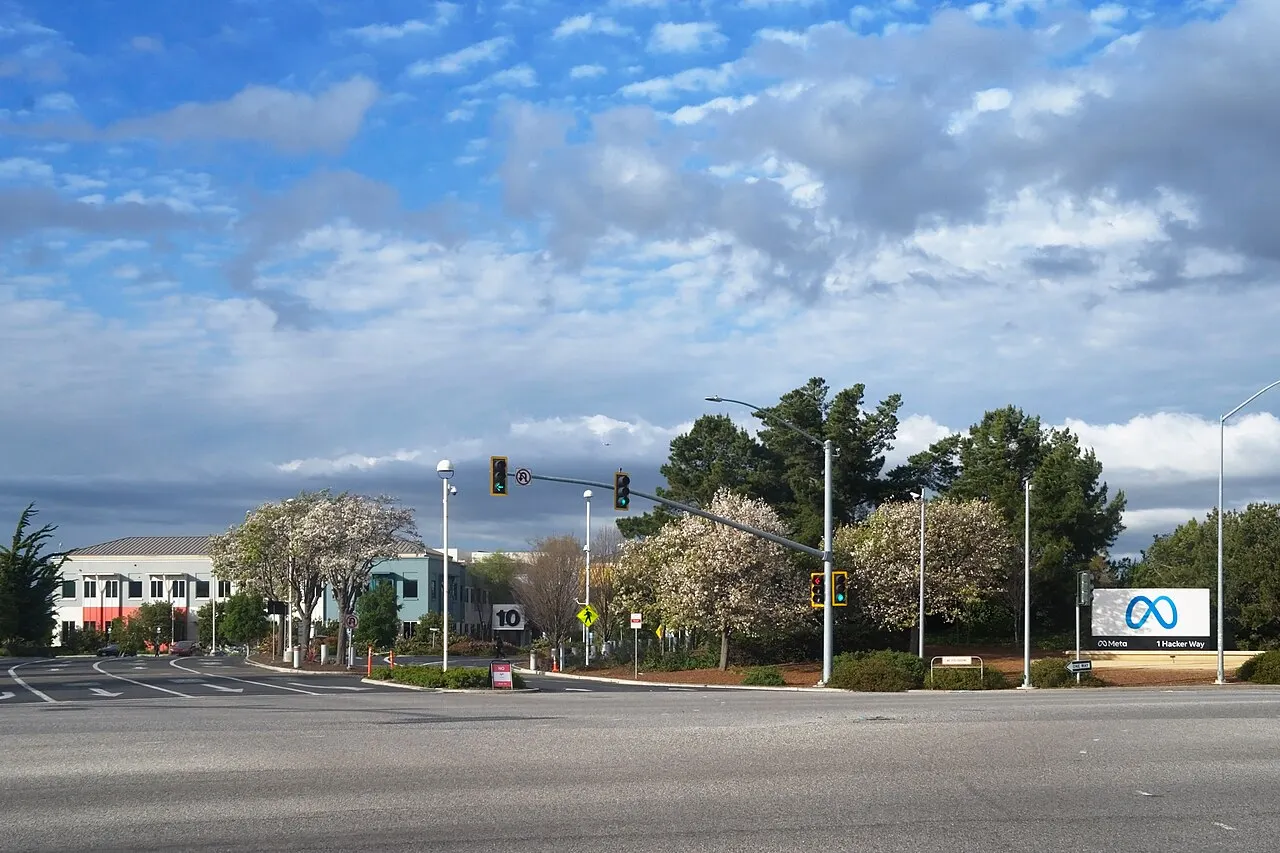
Updated commercial terms covering Meta's business tools on Facebook, Instagram and WhatsApp have drawn criticism from publishers and companies in mid-October 2026. According to the allegations, the new conditions grant Meta wide latitude to automatically crawl domains linked to those business accounts in order to develop its AI systems.
The main complaint is that the terms reportedly lack a standard way to opt out. That could leave businesses choosing between staying inside Meta's commercial ecosystem and allowing their own web content to be scanned. For independent publishers that rely heavily on social traffic, walking away would mean losing access to part of their audience.
Paywalls and test credentials
Critics are also questioning provisions said to let Meta create test credentials, and what they might mean for paywalls and membership systems that news outlets use to protect subscription revenue. How those clauses would work in practice, and how far the contractual permission actually extends, cannot be determined from the claims made so far.
Meta has reportedly pointed out that site owners can block automated crawlers through a robots.txt file. That file, however, only gives instructions to bots; it is not an access control mechanism, and compliance depends on whoever operates the crawler.
Legal and economic stakes
James Grimmelmann, a professor at Cornell Law School, has highlighted the legal side of the dispute. Content owners want to set the terms on which their material is used, but when access to a platform's commercial services hinges on accepting fixed contract terms, their ability to negotiate shrinks. A contract permitting certain access also does not automatically override copyright, site terms of use or applicable law, which must be weighed separately.
The controversy arrives as Meta also moves to make money from outbound links, sharpening questions about the balance of power between platforms and publishers. Still, there are no concrete technical details yet on how much crawled content would be used or how it would feed into Meta's models.
Comments
No comments yet. Start the discussion or ask a question.
Related
Fired White House press secretary Katie Zacharia says her announced advisory role at NRED, a mining firm pivoting to AI exploration, was fake.
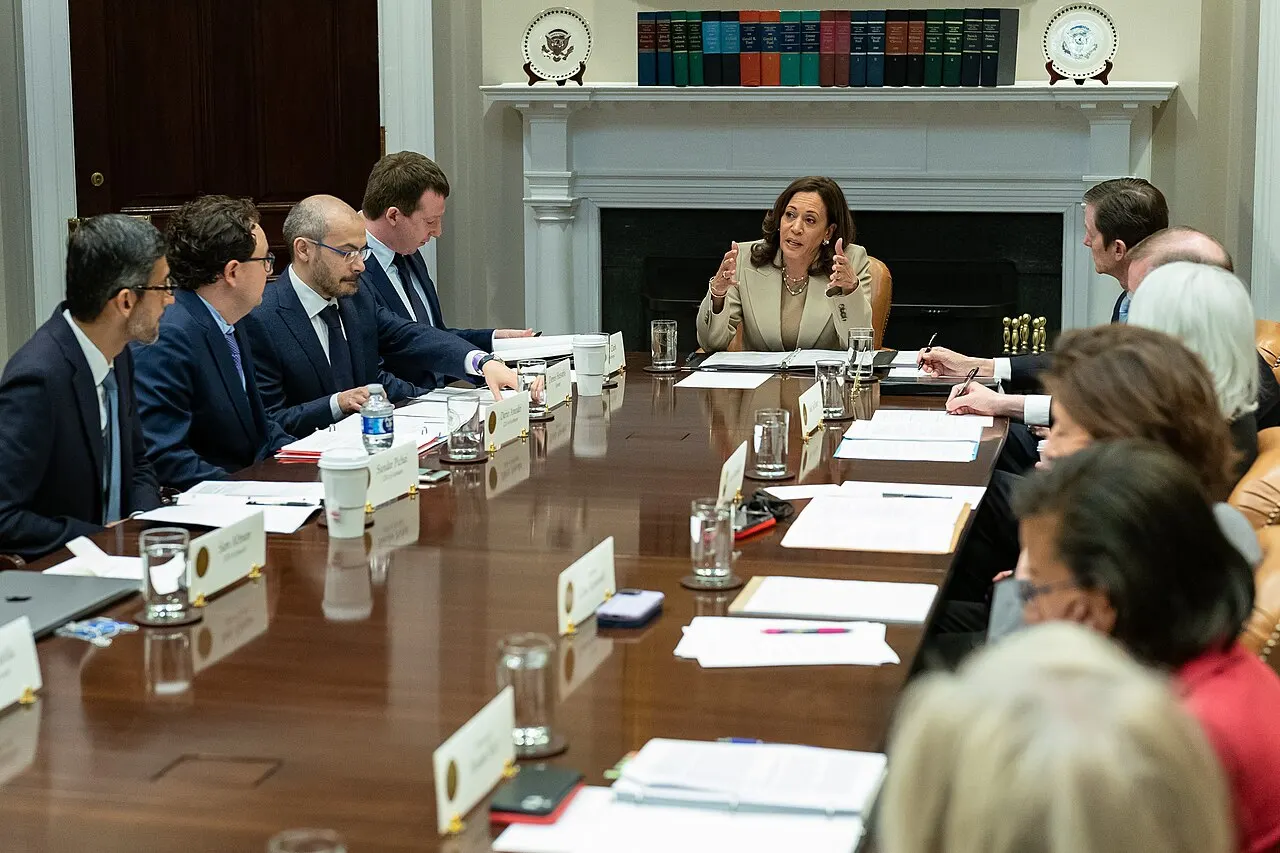
In a report released on October 16, 2026, Anthropic said heavy internal use of Claude has cut its share of junior technical hires and pushed meeting time up 20%.
After backlash, Meta on October 17, 2026 removed wording from its commercial terms that experts read as permitting it to scrape web content, including news sites, for AI training.