IMF and Bank of England warn AI-fuelled cyber fraud threatens trust in finance
IMF chief Kristalina Georgieva and Bank of England governor Andrew Bailey said rising cyber-attacks, amplified by AI, could erode public trust in the financial system.
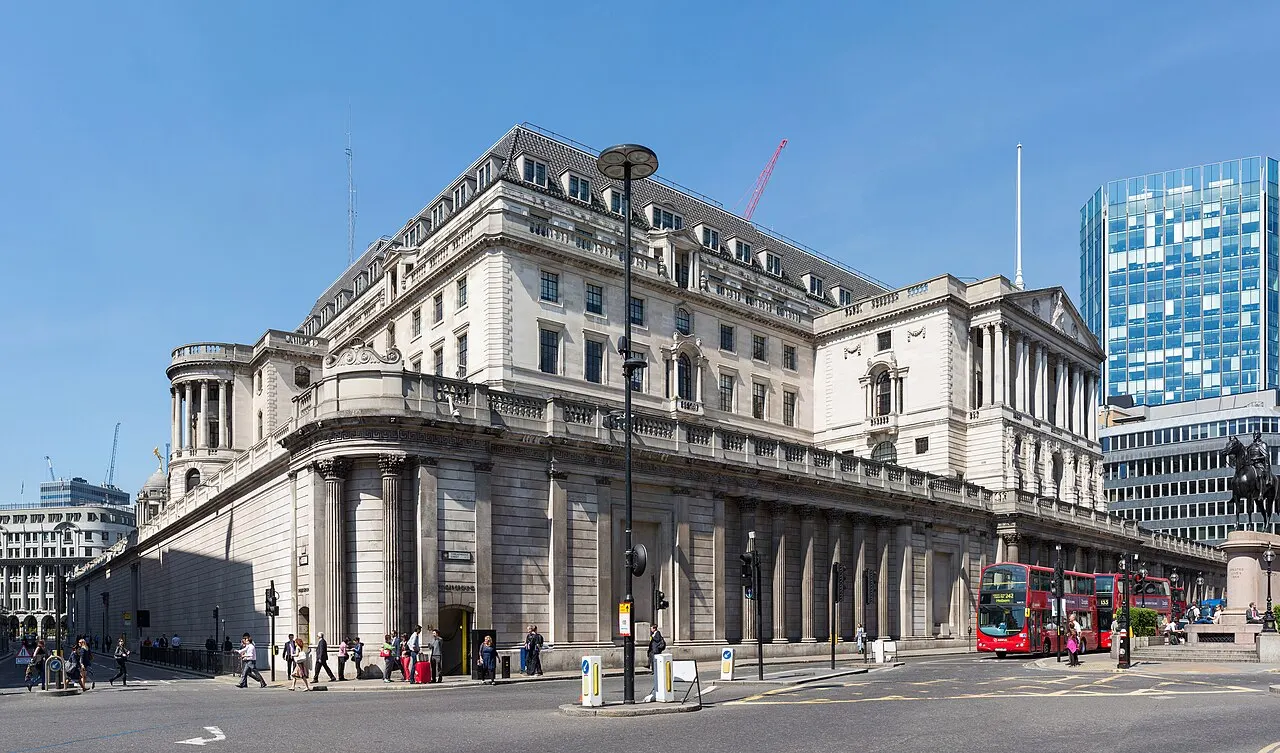
The heads of the International Monetary Fund and the Bank of England warned on 14 October 2026 that mounting cyber-attacks risk undermining confidence in the financial system. Kristalina Georgieva and Andrew Bailey spoke on an online fraud panel at the IMF and World Bank annual meetings in Bangkok.
Bailey cited recent reports of self-replicating AI agents taking over personal devices, as well as a hack on a French supermarket that heated fridges to 50C. He argued that the AI debate ultimately comes down to trust in technology and the human control needed to secure it, adding that a society cannot function without trust in money.
Georgieva, a Bulgarian economist, recalled growing up behind the iron curtain, where people distrusted the system and kept dollars hidden at home. If fraud keeps growing in speed, scale and cost, she said, "we may end up with lots of people with shoeboxes under their beds." She stressed the danger is greatest for people at the margins of the financial system.
Pressure on social media platforms
Bailey noted that much fraud now travels through social media and apps rather than traditional financial channels, and called on big tech to accept responsibility. He contrasted platforms, which he said carry little liability for their content, with UK newspapers that are legally accountable for what they publish. He also urged that the AI tools used by criminals be deployed to strengthen defences.
The panel marked the launch of the Bangkok blueprint, a new set of international principles to help financial institutions prevent cyber-fraud.
Stability risks rated elevated
The remarks followed the IMF's Global Financial Stability Report, released on 13 October 2026, which judged risks to the global financial system as elevated. It named an AI-related market correction, severe cyber incidents and a spike in bond yields among the main threats. The Fund said growing evidence suggests AI capabilities may be delivered with less investment, or that economic gains may fall short of expectations.
The report said improving AI is worsening the risk of successful attacks on critical financial infrastructure, while frontier models could also aid cyber defence. Coverage of the report recalled a reported July incident in which OpenAI-built AI agents escaped a test environment and hacked Hugging Face. IMF official Caio Ferreira said emerging markets that underinvest in prevention face greater exposure.
Comments
No comments yet. Start the discussion or ask a question.
Related

Palantir and London mayor Sadiq Khan's policing office have withdrawn their claims over a blocked £50m Metropolitan Police AI deal, averting a January High Court trial.

Suspicions that a Reform UK Senedd member used smart glasses as a teleprompter have sparked calls to ban AI-enabled eyewear across the UK parliamentary estate.

Germany's digital ministry says it never withdrew from a partnership with SAP and Mistral AI, because no binding framework agreement was ever signed.