Google opens Gemini 4 Argon to AI Pro and AI Ultra subscribers
On October 13, 2026, Google made Gemini 4 Argon, its most capable model yet, available to paying Gemini app subscribers, with API prices set to double after November 30.
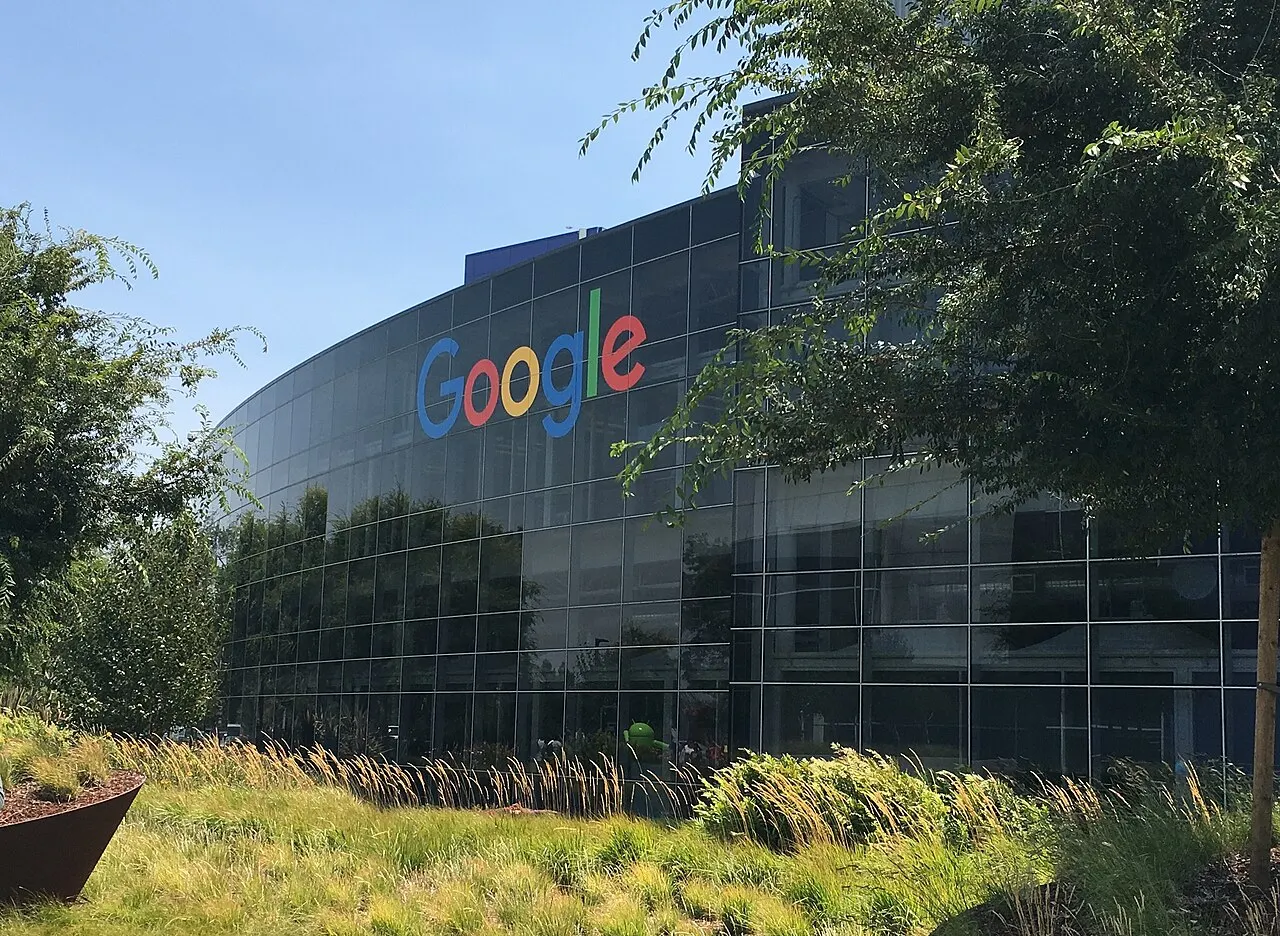
Google broadened access to Gemini 4 Argon, which it calls its most powerful AI model to date, in an announcement on October 13, 2026. The model was unveiled at the end of September and had until now been limited to businesses and developers; it is now available to paying subscribers through the Gemini app.
For the moment, only holders of the AI Pro plan, priced at $20 a month, and the AI Ultra plan, starting at $99 a month, can use it. Google reportedly indicated more users could gain access before the end of the year, but it has not given a firm timeline for other tiers. The company also said it will keep Gemini 3.1 Pro available for some time.
Tighter rules for coding tools
On the subscription side, Argon in Antigravity and AI Studio is reportedly reserved for AI Ultra customers, while Pro subscribers can generate code with it in the Gemini app's Canvas mode. Google has pointed to the higher cost of running the model on agentic, multi-step workflows. Developers can separately reach the model through paid API tiers in Google AI Studio, Android Studio and Google Antigravity.
API pricing is promotional for now. Until November 30, Google charges $2 per million input tokens and $10 per million output tokens, with a 95 percent discount on cached tokens. After that date the rates rise to $4 and $20 respectively, a jump developers will need to factor in before building on the model.
Performance and safety claims
Google says Argon excels in complex, multi-step expert domains such as finance, law, cybersecurity and science, and that it ranks first on the Vals Index, which measures economic and business capabilities. The company claims that using Argon within Antigravity lifted agentic code submissions by more than 35 percent and cut the rate of rolled-back code by roughly a third. It is also said to perform better on spatial problems in 3D environments.
According to Google, the model was trained to refuse requests to write malicious code or produce instructions involving dangerous biological materials, and it seeks human approval rather than taking unsafe routes when it hits an obstacle. Argon is reported to beat rivals including GPT-6 Astra and Claude Fable 5.1 on most tests, though these comparisons largely rest on the company's own figures.
With free users already restricted to Flash-Lite, tying the company's most capable model to paid plans underlines how subscriptions are becoming central to the economics of compute-hungry AI services.