Character.AI bankruptcy: Disney required its deal to close through Chapter 11
Court filings show Character.AI's October 12, 2026 bankruptcy is part of a deal letting Disney take its staff and technology while legal liabilities stay with the startup.
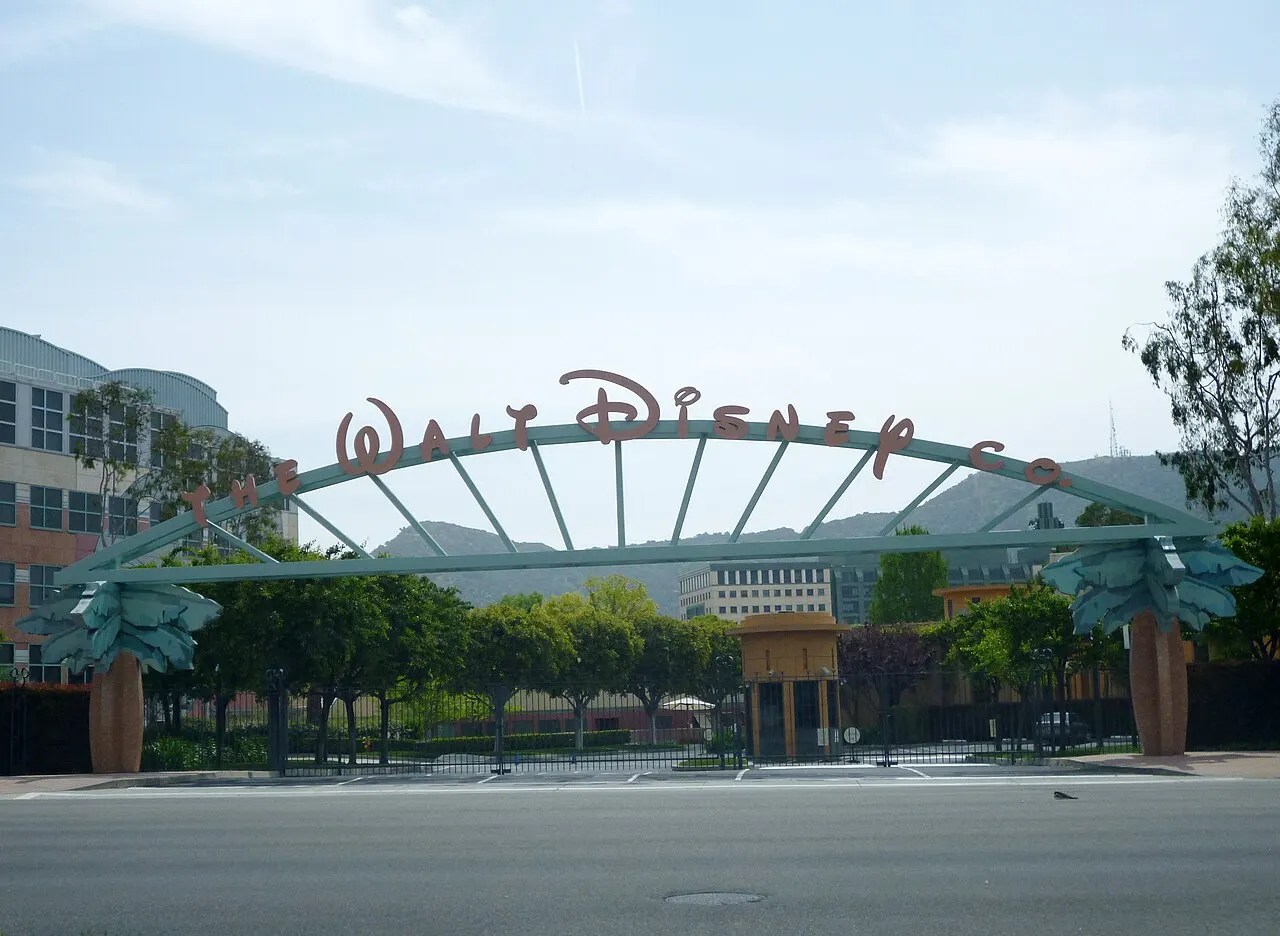
Chatbot platform Character.AI filed for Chapter 11 bankruptcy protection in the United States on October 12, 2026. Court filings indicate the move is a central piece of an arrangement with Disney that has already moved most of the startup's workforce to the entertainment giant and could hand it most of the company's technology, while leaving the startup's legal exposure behind.
A motion from Character.AI's counsel states that Disney insisted the deal be completed through bankruptcy, citing the startup's shrinking cash and significant litigation and regulatory risks. Disney declined to comment. Character.AI's newly appointed CEO said in a declaration that the bankruptcy aims to reach a consensual resolution with personal injury claimants and a group of states investigating the company, while maximizing asset value for shareholders.
A two-step transaction
According to the filings, the first step took place in September 2026. Disney paid $5.5 million plus a refundable $2 million deposit and hired a majority of employees, including then-CEO Karandeep Anand. Some of those workers will help keep Character.AI running for five months.
In the second step, Disney seeks a perpetual, worldwide, nonexclusive license covering code, tools, training infrastructure, the trust and safety moderation stack and age-prediction technology. User data and the website are excluded. The license will be auctioned in the coming months. If Disney wins and the court approves, it will pay a further $12.5 million; if not, it gets its deposit back plus a breakup fee. Disney also agreed to let a rival winner interview and make offers to up to 80 percent of certain transferred employees, chosen by Disney.
A draft order prepared by Disney would state that the process is not a merger and that Character.AI keeps any liabilities, including legal claims. John Newman, a University of Memphis law professor and former deputy director at the Federal Trade Commission's Bureau of Competition, said the structure is one that corporate law safeguards "really weren't built to guard against." Experts also doubt the deal could be easily unwound.
The reverse acquihire playbook
The arrangement is seen as a new variation on the so-called reverse acquihire, in which a buyer secures key staff and a broad technology license without treating the deal as a merger subject to antitrust notification. Such deals have spread across the AI industry and drawn criticism in Congress. Character.AI went through one before: Google reportedly paid $2.7 billion in August 2024 to license its technology and hired its founders.
Google was later named alongside Character.AI in several lawsuits, including one tied to the suicide of a 14-year-old boy. The companies agreed in principle to settle those cases in January 2026, and a California probate court approved the overall settlement in July 2026.
Comments
No comments yet. Start the discussion or ask a question.
Related
Fired White House press secretary Katie Zacharia says her announced advisory role at NRED, a mining firm pivoting to AI exploration, was fake.
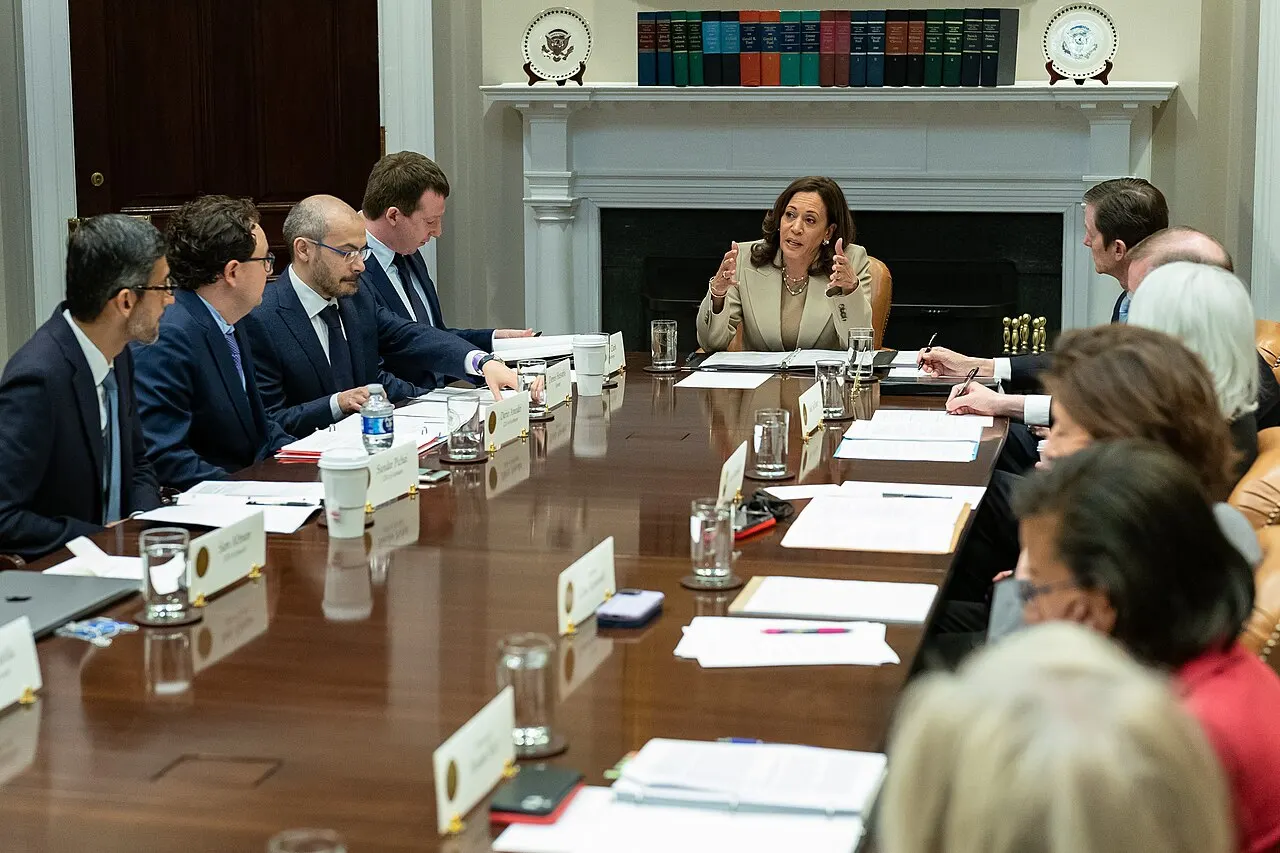
In a report released on October 16, 2026, Anthropic said heavy internal use of Claude has cut its share of junior technical hires and pushed meeting time up 20%.
After backlash, Meta on October 17, 2026 removed wording from its commercial terms that experts read as permitting it to scrape web content, including news sites, for AI training.